Fuel scarcity in North Sumatra is threatening to push up prices and squeeze small businesses, putting the region’s recovery at risk just as global oil markets turn volatile again.
North Sumatra Fuel Shortage Risks Inflation

The North Sumatra Chamber of Commerce and Industry said shortages could feed inflation in Medan and across the province by raising transport, logistics and input costs, with the heaviest burden falling on micro, small and medium enterprises that already operate on thin margins. For investors, that matters because fuel shocks tend to ripple quickly through consumer prices, freight, retail sales and local credit quality.
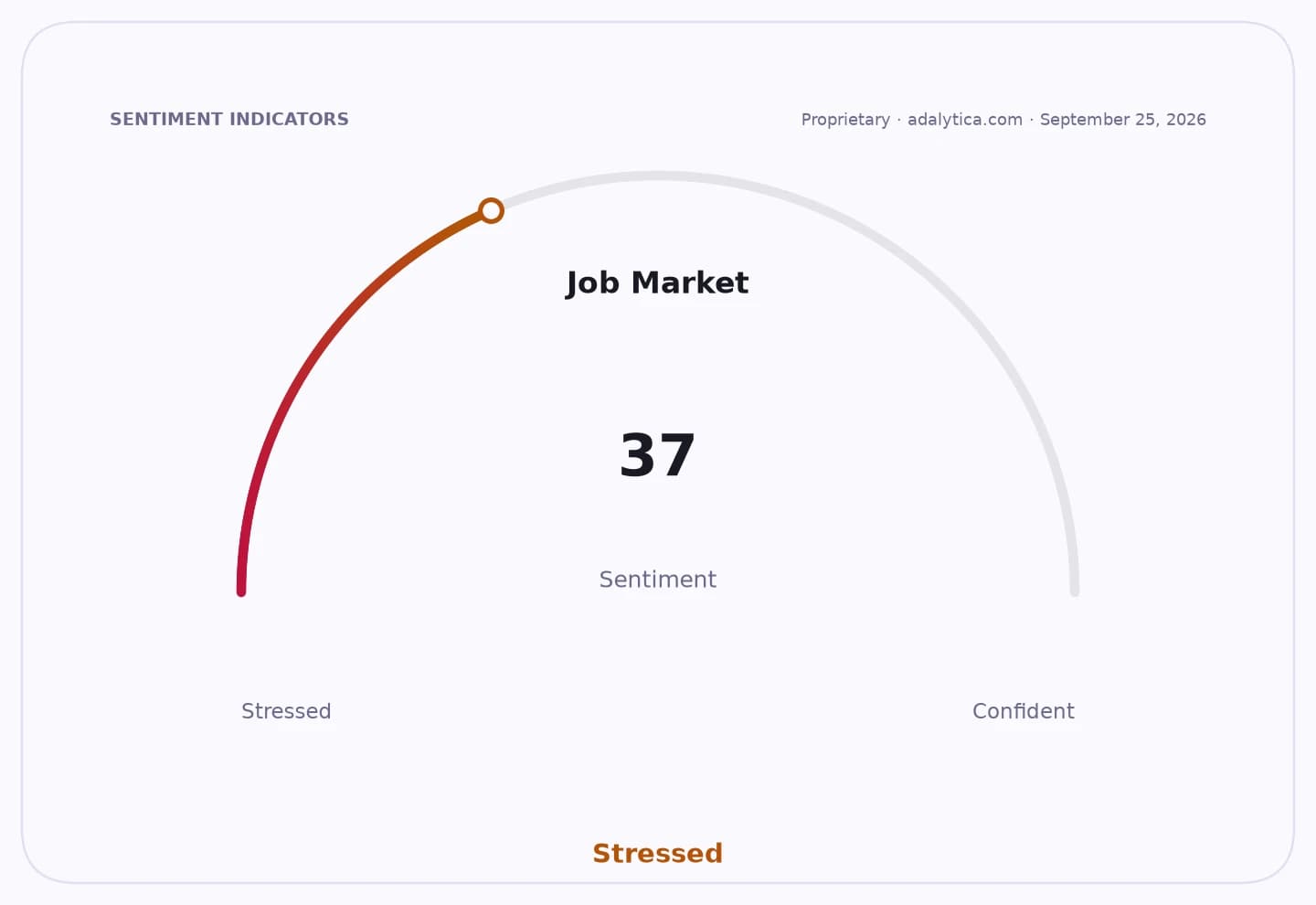
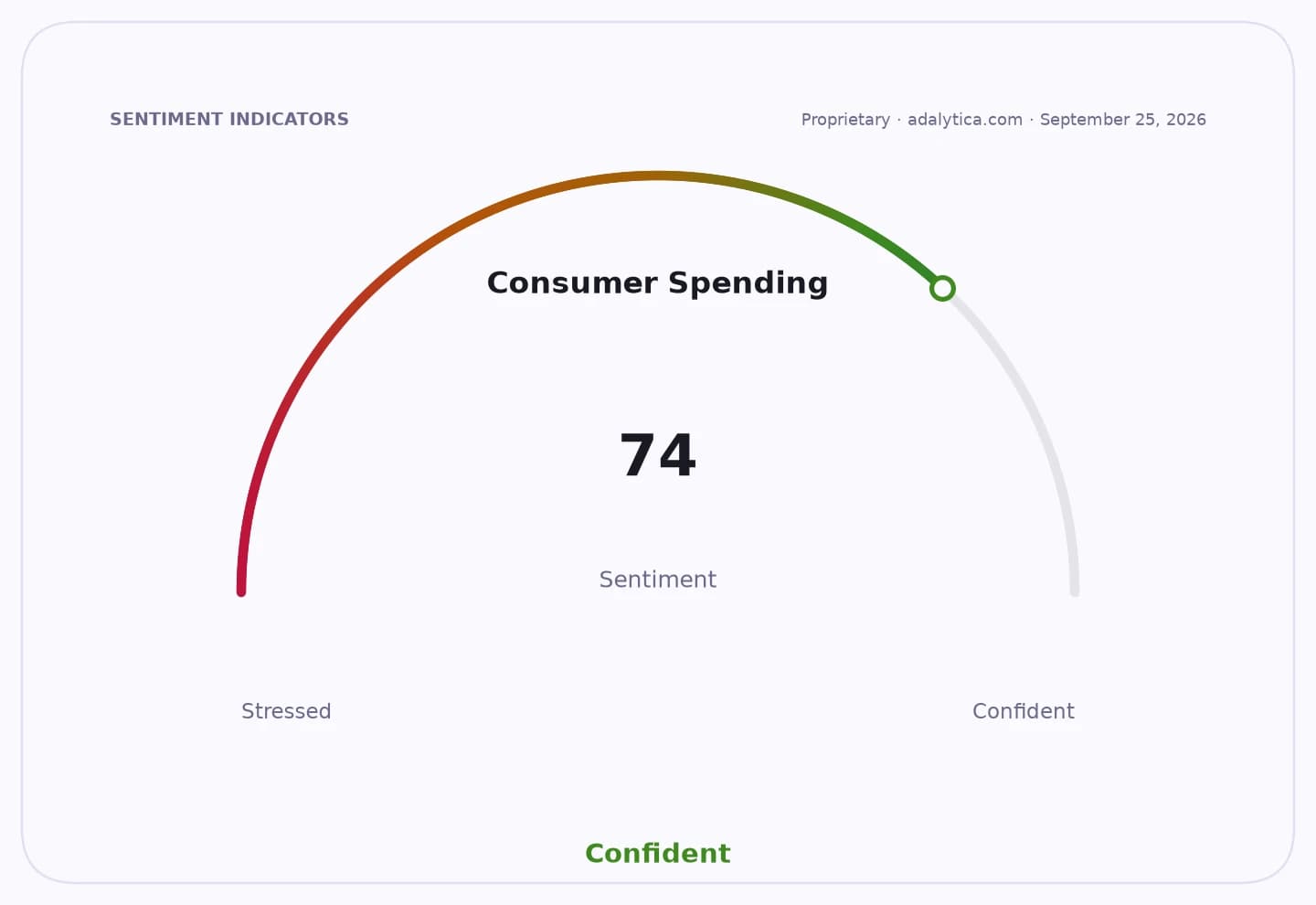
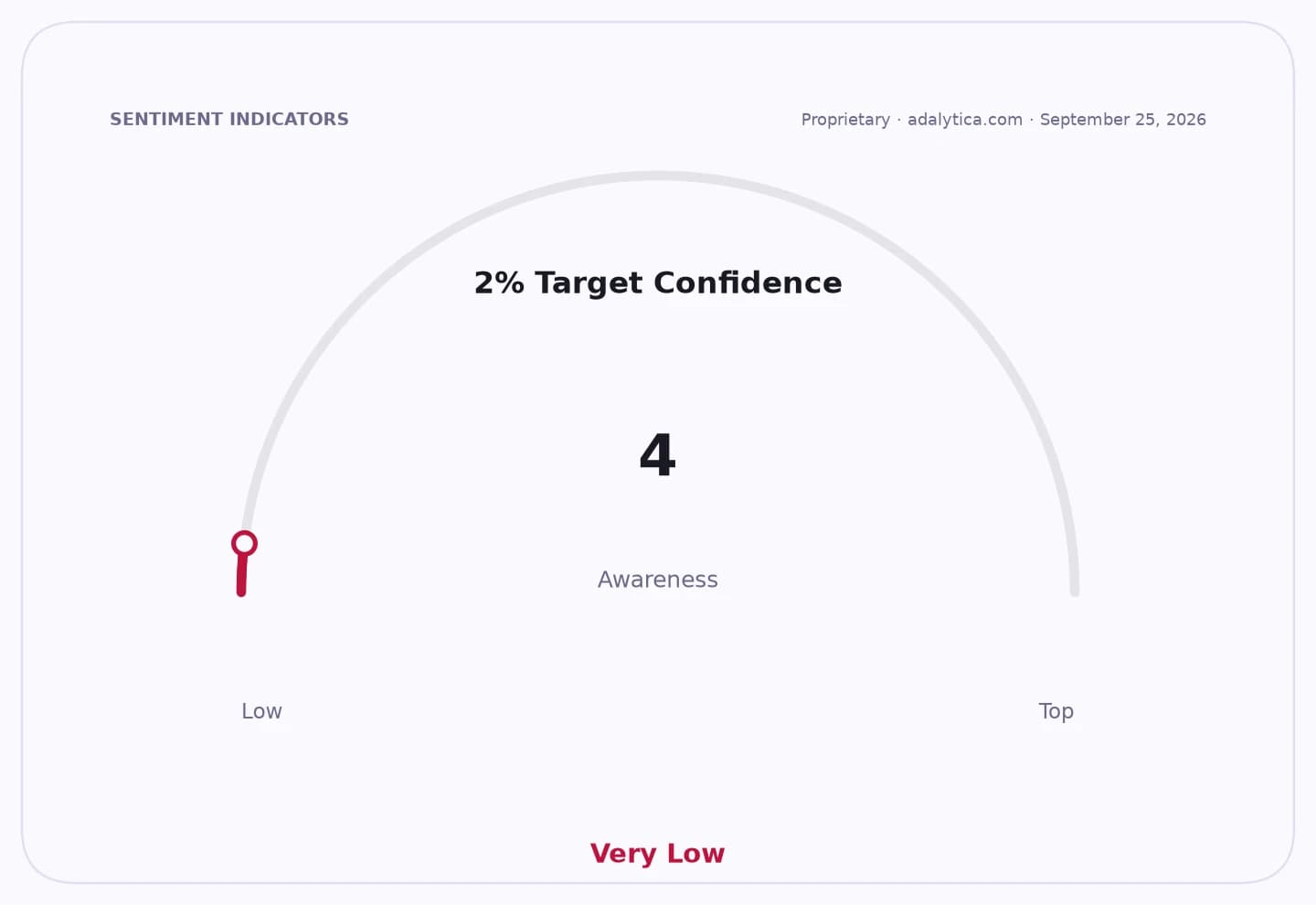
Sentiment IndicatorsⓘProprietary · adalytica.com · July 15, 2026
This is a snapshot — live sentiment, awareness and momentum for 130+ markets update continuously in the dashboard.Open AlphaPulse
The warning comes as U.S. crude benchmark West Texas Intermediate has swung sharply in recent weeks, dropping to about $69.60 a barrel on July 6 from $109.76 in early May before edging back to $69.74 on July 1, highlighting how unstable energy pricing remains. U.S. gasoline and diesel-linked gauges also show a cooling in oil-related sentiment, but the broader message is that fuel markets can move fast enough to alter inflation expectations almost overnight.
That risk is not abstract. The U.S. producer price index is forecast to rise 1.93% in June to 298.15, while consumer prices are seen climbing 0.89% in July to 335.512, underscoring how energy costs can feed through to the rest of the economy. In North Sumatra, where many MSMEs rely on daily deliveries and informal distribution networks, even a short fuel disruption can translate into missed sales, tighter cash flow and job losses.
Refiners and fuel marketers continue to benefit from wide margins when supply is tight, but that gain comes at the expense of consumers and downstream businesses. Valero, Phillips 66 and Marathon Petroleum have all reported improving refining economics in recent filings, a reminder that scarce fuel often supports energy-company profits while pressuring merchants, transport operators and households.
For investors, the key issue is whether the shortage becomes a broader inflation event that forces higher prices across essentials and dents local demand. The next catalyst is any government response on supply normalization and pricing, alongside fresh readings on fuel availability and inflation in North Sumatra.
| Entity | Gains | Losses |
|---|---|---|
| Refiners | ▲Wider margins | ▼None |
| Fuel suppliers | ▲Higher realized prices | ▼Reputation risk |
| MSMEs in North Sumatra | ▲None | ▼Higher costs, lower sales |
| Consumers and transport operators | ▲None | ▼Inflation, tighter budgets |