Northland Power’s Hai Long offshore wind project has secured an additional $900 million of debt funding, a balance-sheet step that should reduce equity pressure on one of the industry’s most capital-intensive developments and help de-risk construction at a time when financing conditions for renewables remain uneven.
Northland Power Hai Long gets $900 million more debt
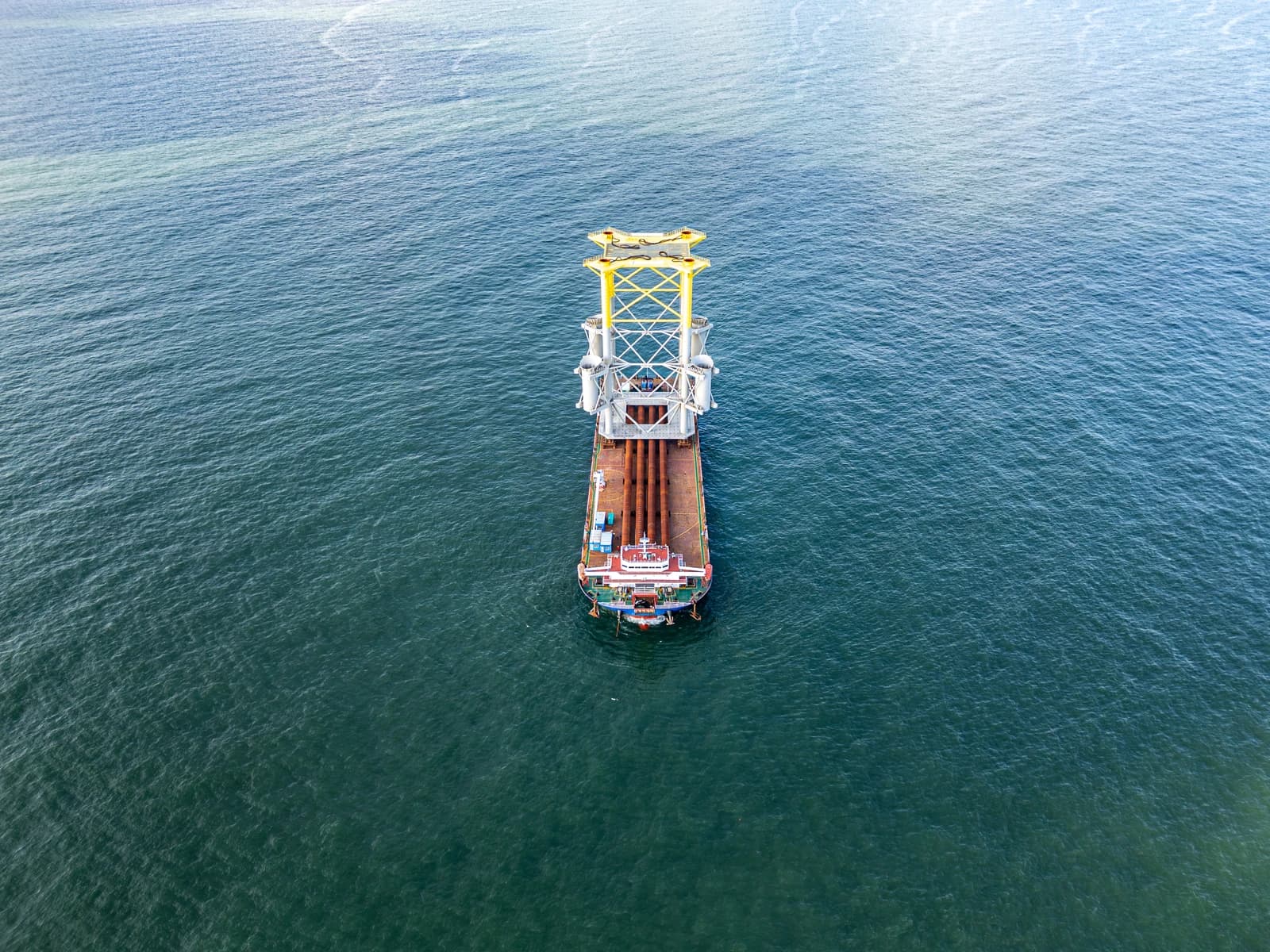
The Canadian developer said it has optimised the project’s debt package, increasing debt funding for Hai Long by $0.9 billion. For a project of this scale, the move matters because every incremental dollar of non-recourse debt lowers the amount of sponsor capital tied up in a project that will only generate returns once turbines are built, connected and producing contracted cash flow.
Sentiment IndicatorsⓘProprietary · adalytica.com · August 11, 2026
This is a snapshot — live sentiment, awareness and momentum for 130+ markets update continuously in the dashboard.Open AlphaPulse
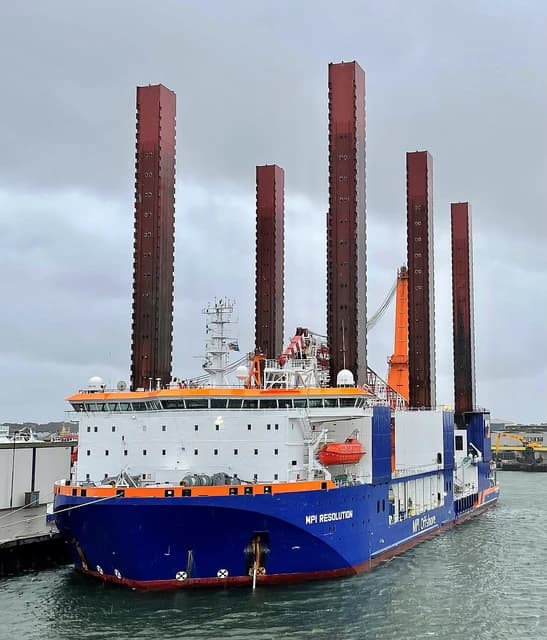
Offshore wind has been under strain globally as higher rates, supply-chain inflation and construction delays pushed up capital costs and forced developers to revisit funding structures. In that context, a larger project-finance package is a meaningful signal: lenders are still willing to back long-dated renewable assets when the offtake, construction timetable and sponsor support are credible enough. That matters not just for Northland, but for the broader sector, where access to debt has become as important as securing permits or turbines.
For investors, the immediate read-through is twofold. First, the enlarged debt stack should ease near-term funding risk and preserve corporate liquidity, which is critical for a developer whose equity value depends on delivering large projects without diluting shareholders too heavily. Second, it may improve confidence in Hai Long’s eventual economics by shifting more of the financing burden away from equity holders and toward lower-cost project debt, which can lift expected project returns if execution remains on track.
The timing also fits a broader market backdrop in which clean-energy assets are being judged less on long-term decarbonisation narratives and more on whether they can be financed and built at acceptable returns. Northland’s announcement suggests the market for utility-scale offshore wind remains open, but only selectively so, with lenders demanding structure, scale and visibility on cash flows rather than blanket enthusiasm for the sector.
The key question now is execution. A larger debt package can strengthen the economics on paper, but the value creation still depends on the project reaching operation without meaningful cost overruns or delays. If Northland delivers, Hai Long could become a template for how developers keep capital-intensive offshore wind projects alive in a tougher funding environment. If not, the extra leverage could simply magnify the risk.
| Entity | Gains | Losses |
|---|---|---|
| Northland Power | ▲Lower equity burden | ▼Less financing flexibility |
| Hai Long project lenders | ▲More secured exposure | ▼Higher project-construction risk |
| Northland shareholders | ▲Lower dilution risk | ▼More reliance on execution |
| Competing offshore wind developers | ▲Tighter financing benchmark | ▼Harder fundraising conditions |




