NVIDIA’s shares are still up sharply from earlier this year, but the stock’s rebound comes as the debt market grows wary that the AI boom is being financed with too much borrowing, including an estimated $250 billion of fresh risk tied to the buildout.
NVIDIA Falls to $201.77 as AI Borrowing Fears Grow
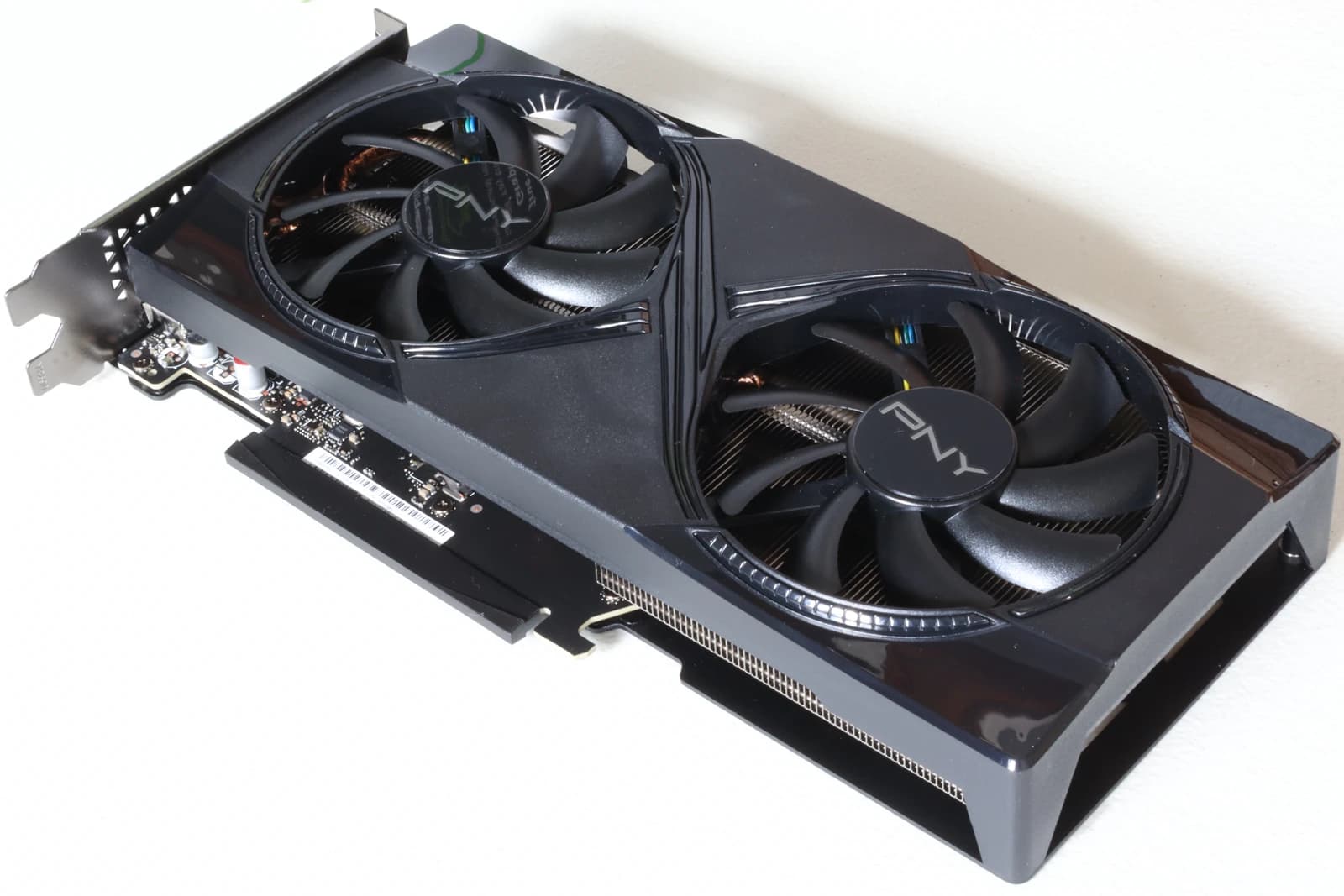
That tension matters because the AI trade has increasingly shifted from a pure equity story into a balance-sheet story. When the biggest hyperscalers, cloud providers and data-center builders borrow heavily to fund chips, servers and power infrastructure, the cost of capital starts to matter almost as much as demand for computing power.
Sentiment IndicatorsⓘProprietary · adalytica.com · July 31, 2026
This is a snapshot — live sentiment, awareness and momentum for 130+ markets update continuously in the dashboard.Open AlphaPulse
NVIDIA closed at $201.77 on July 31, up from $190.01 two days earlier, but still below its 50-day moving average of $206.14. The stock has also come off a recent peak near $235.47 in May, while the broader semiconductor ETF SMH finished July 31 at $544.91, well below its 50-day average of $596.26, underscoring the sector’s pullback even after a powerful run.
The credit market has been more cautious. High-yield bonds, tracked by HYG, were little changed at $79.46 on July 31, but that stability masks a growing concern that AI-related spending could leave more companies stretched if returns take longer to materialize. Reuters reporting around the debt market has pointed to investors increasingly questioning whether the current pace of AI infrastructure spending can be sustained without added leverage.
For NVIDIA, the immediate impact is less about demand disappearing and more about financing discipline. The company remains one of the clearest beneficiaries of AI capex, but any slowdown in borrowing by cloud giants, enterprise buyers or infrastructure intermediaries would eventually filter into orders for GPUs, networking gear and related systems.
The stock’s technical picture also shows fading momentum. NVIDIA’s RSI reading was 48.6 on July 31, down from overbought levels above 70 in May, while the MACD remained below its signal line. That suggests the market is still digesting the latest leg of the AI rally rather than pricing a clean new breakout.
Investors now face a more complicated setup: earnings and AI demand remain strong enough to support the equity story, but credit spreads, debt issuance and capital spending plans will increasingly determine how long the boom can run. The next catalyst is the coming round of hyperscaler capex updates and any sign that AI financing costs are forcing a reset in spending plans.
| Entity | Gains | Losses |
|---|---|---|
| NVIDIA | ▲AI chip demand | ▼Financing-sensitive buyers |
| Hyperscalers | ▲AI capacity growth | ▼Balance-sheet flexibility |
| High-yield lenders | ▲Borrowing demand | ▼Credit-risk exposure |
| Semiconductor rivals | ▲Sector momentum | ▼Near-term multiple support |




