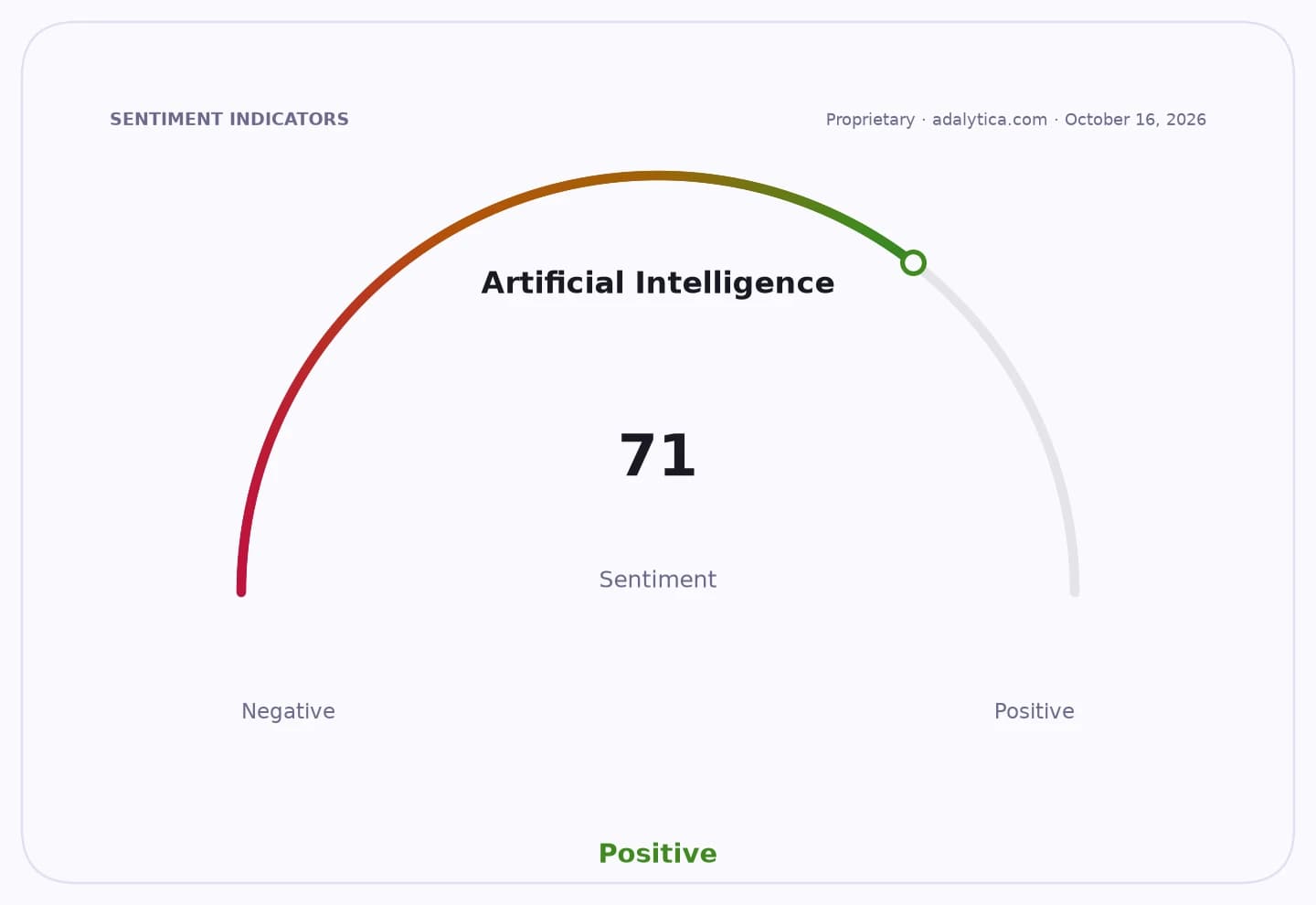
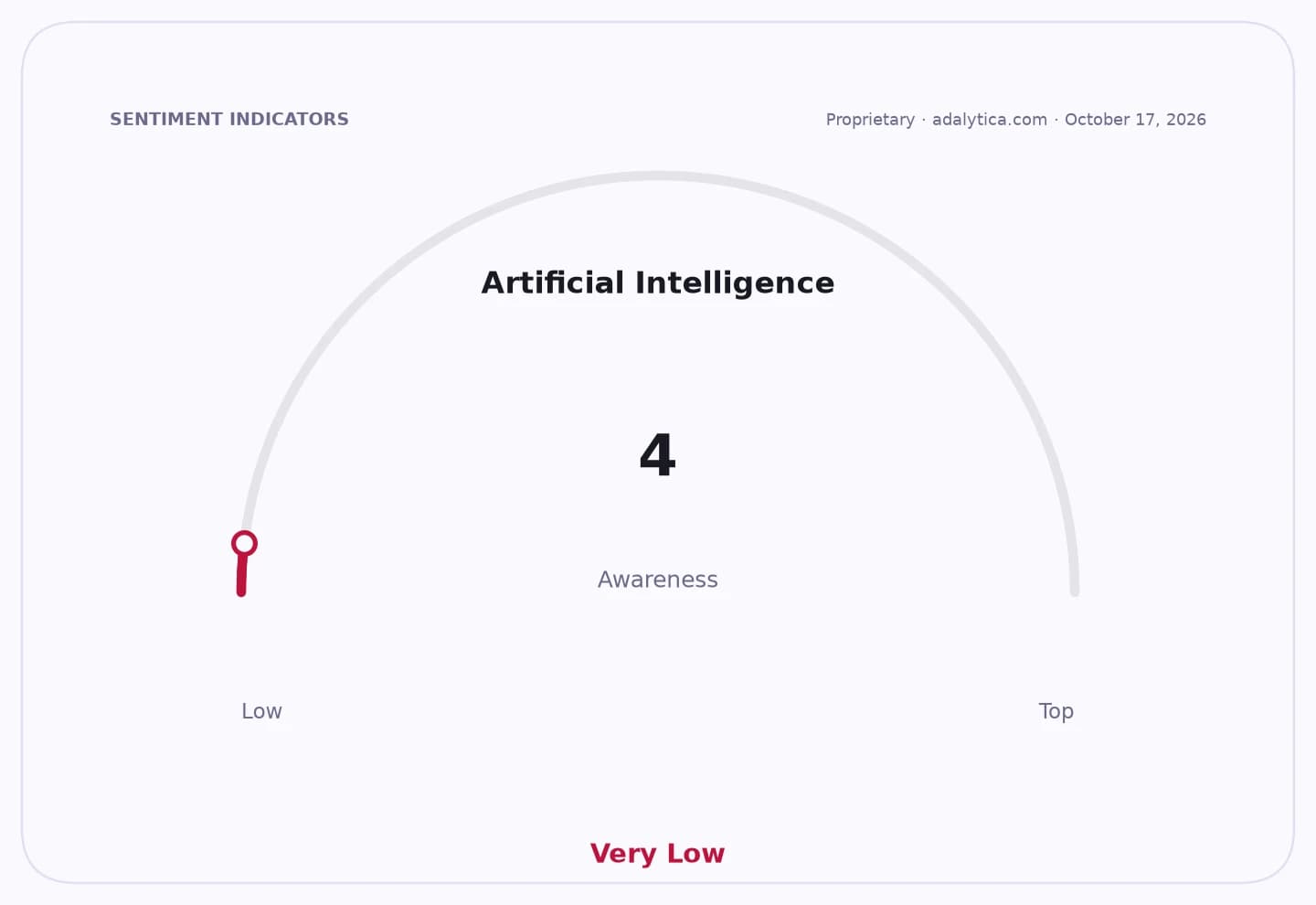
AI-driven prediction markets are moving from curiosity to capital allocation tool, and that shift matters because it is pulling money, compute and decision-making power into a fast-growing corner of the artificial intelligence trade.
Nvidia, Microsoft Gain From AI Prediction Markets
The clearest evidence is the eye-popping windfall reported in India, where a small initial investment of Rs 3,000 was turned into Rs 16 crore with the help of AI-based forecasting, and another account says $35 became $1.9 million on the Kalshi platform over seven months. That kind of return explains why prediction software is no longer confined to betting odds: it is being used to anticipate policy moves, insurance risk and even medical research funding.
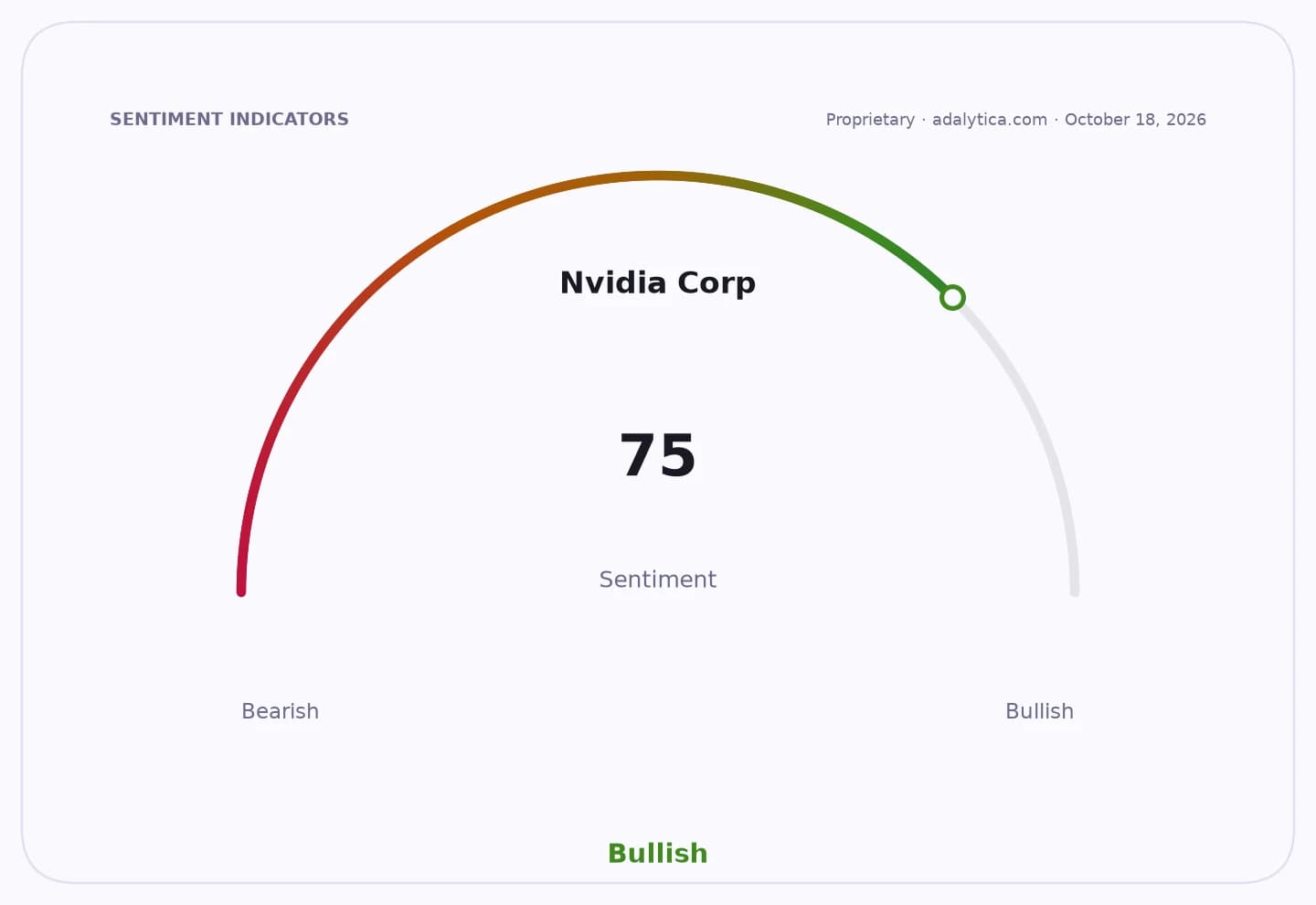
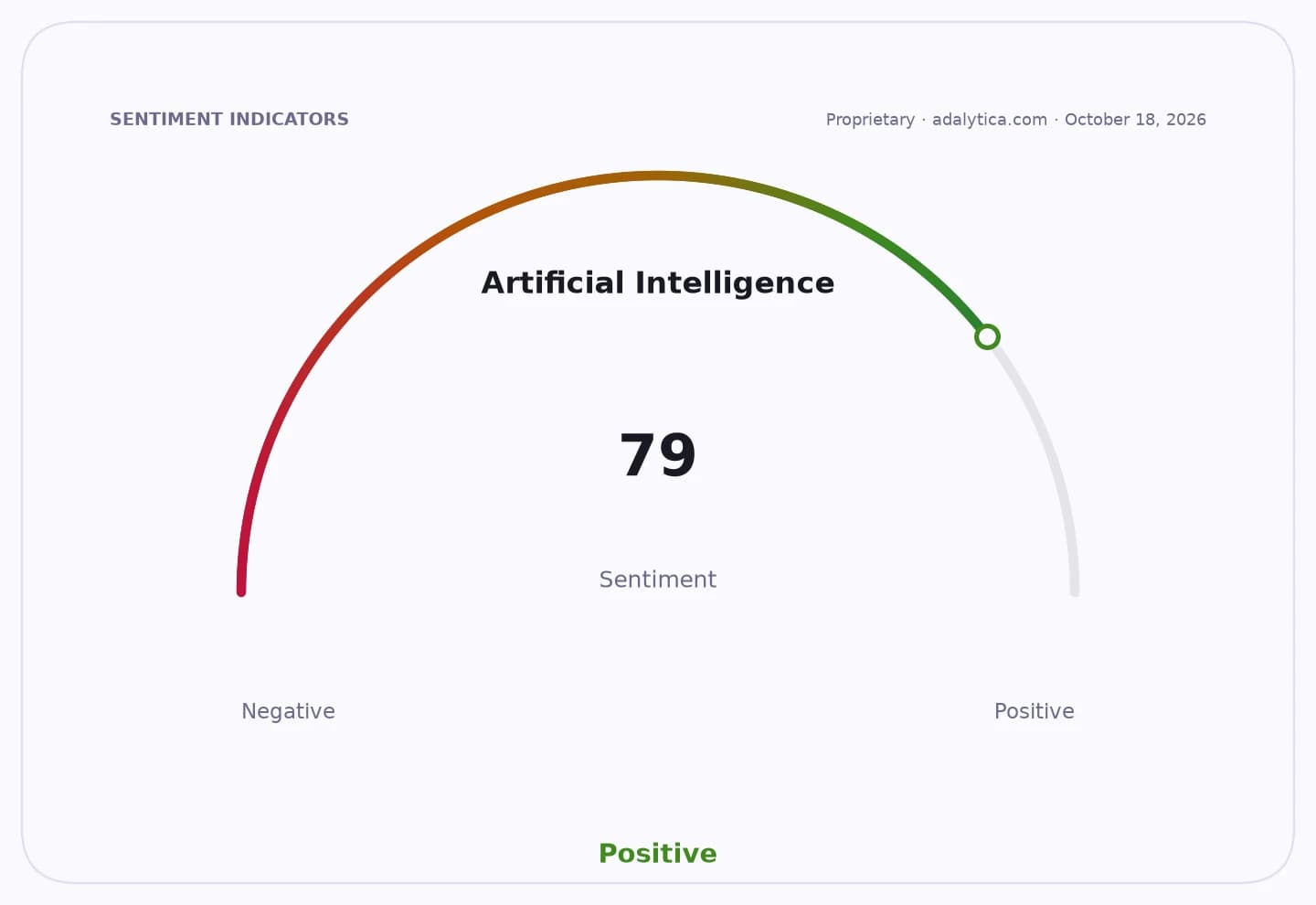
Sentiment IndicatorsⓘProprietary · adalytica.com · October 18, 2026
This is a snapshot — live sentiment, awareness and momentum for 130+ markets update continuously in the dashboard.Open AlphaPulse

For investors, the bigger story is not the gambling angle. It is the accelerating commercialization of AI models that can sift public and private data, generate new questions and assign probabilities faster than humans. That opens a second-order market across the AI stack: the model providers, the cloud infrastructure powering the forecasts, the chipmakers supplying the compute and the platforms hosting the trades.
Nvidia and Microsoft sit at the center of that trade. Nvidia has been volatile, but its shares have rebounded sharply from June lows and remain well above the 200-day moving average, while Microsoft has pushed back toward record territory and is still trading above both its 50-day and 200-day averages. Both names are benefiting from the same secular force: more AI workloads, more inference demand and more capital flowing into tools that try to monetize uncertainty.
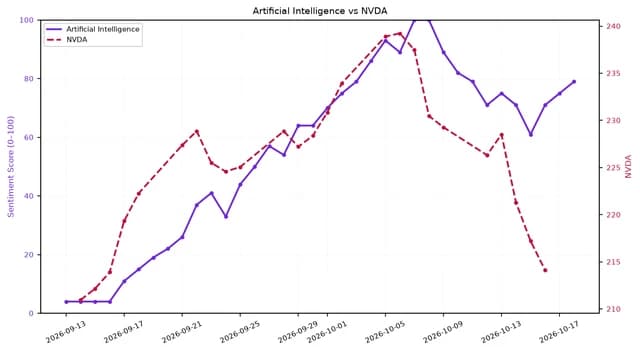
This is why the recent frenzy around prediction markets deserves attention beyond the headlines. The market is still underestimating how quickly forecasting itself is becoming an AI product category. Companies such as Futuursearch and Mantic are already selling services to corporates and governments, and the use cases go well beyond trading: policy analysis, risk management, insurance pricing and research allocation are all potentially addressable.
The risk, of course, is that enthusiasm runs ahead of economics. Ray Dalio’s warning about liquidity-driven reversals in AI investing lands at the right time, with chip shares seeing bouts of volatility and broader market sentiment still fragile. But that does not negate the investment case. It argues for selectivity.
Our thesis is that the early money is not in the prediction apps themselves, but in the infrastructure that makes them possible. If AI systems continue to improve at forecasting and automated decision-making, the winners will be the companies supplying the picks-and-shovels: advanced semiconductors, cloud platforms and the software layers that ingest data and turn it into probabilities. That is where the asymmetric upside remains.
For now, the actionable takeaway is simple: treat AI prediction as an emerging demand driver for compute, not a sideshow. Investors who focus only on the viral profits are missing the larger capital cycle forming underneath them.
| Entity | Gains | Losses |
|---|---|---|
| Nvidia | ▲More compute demand | ▼AI skeptics |
| Microsoft | ▲Cloud and AI usage growth | ▼Legacy software pricing power |
| Prediction platforms | ▲New users and liquidity | ▼Traditional forecasters |
| Human analysts | ▲Less pricing power | ▼AI forecasting tools |