Jensen Huang’s return to Nvidia’s top job has steadied the chipmaker for now, but the episode has exposed how quickly AI exuberance can turn into a retirement-savings problem for New Zealand investors heavily invested in US megacap technology.
Nvidia Shares Hit NZ Retirement Funds

Huang was reinstated on Nov. 23 after stepping down earlier this month amid revelations about an affair and questions raised over a business relationship that drew national security scrutiny. The board said it was satisfied he posed no such risk. The reversal followed a turbulent stretch that sent Nvidia shares on a steep swing and briefly erased about NZ$1.3 billion from the New Zealand Superannuation Fund’s Nvidia stake as the stock fell roughly 30% from its October peak to mid-November.
Sentiment Indicators
The immediate market impact matters because Nvidia has become a bellwether for the AI trade. Its latest quarterly revenue of US$115.8 billion, more than double a year earlier, showed the underlying business is still expanding at extraordinary speed. But the stock’s sharp pullback underscored a different reality: when a company is large enough to sit at the center of global equity portfolios, idiosyncratic governance shocks can hit diversified savings vehicles far beyond the US.
That is the point New Zealand investors may be missing. The Super Fund’s five largest overseas holdings in June were Nvidia, Apple, Microsoft, Amazon and Alphabet, together worth about NZ$10.6 billion, or roughly one dollar in every five the fund held directly in overseas shares. KiwiSaver members are similarly exposed: Nvidia accounted for about 5.5% of Kernel’s High Growth and Generate’s Focused Growth funds, and 5.2% of Simplicity’s High Growth fund, versus less than 2% in Fisher Funds’ Growth fund. For a $50,000 balance, that implied about $2,750 tied to Nvidia alone in some funds.
Artificial Intelligence
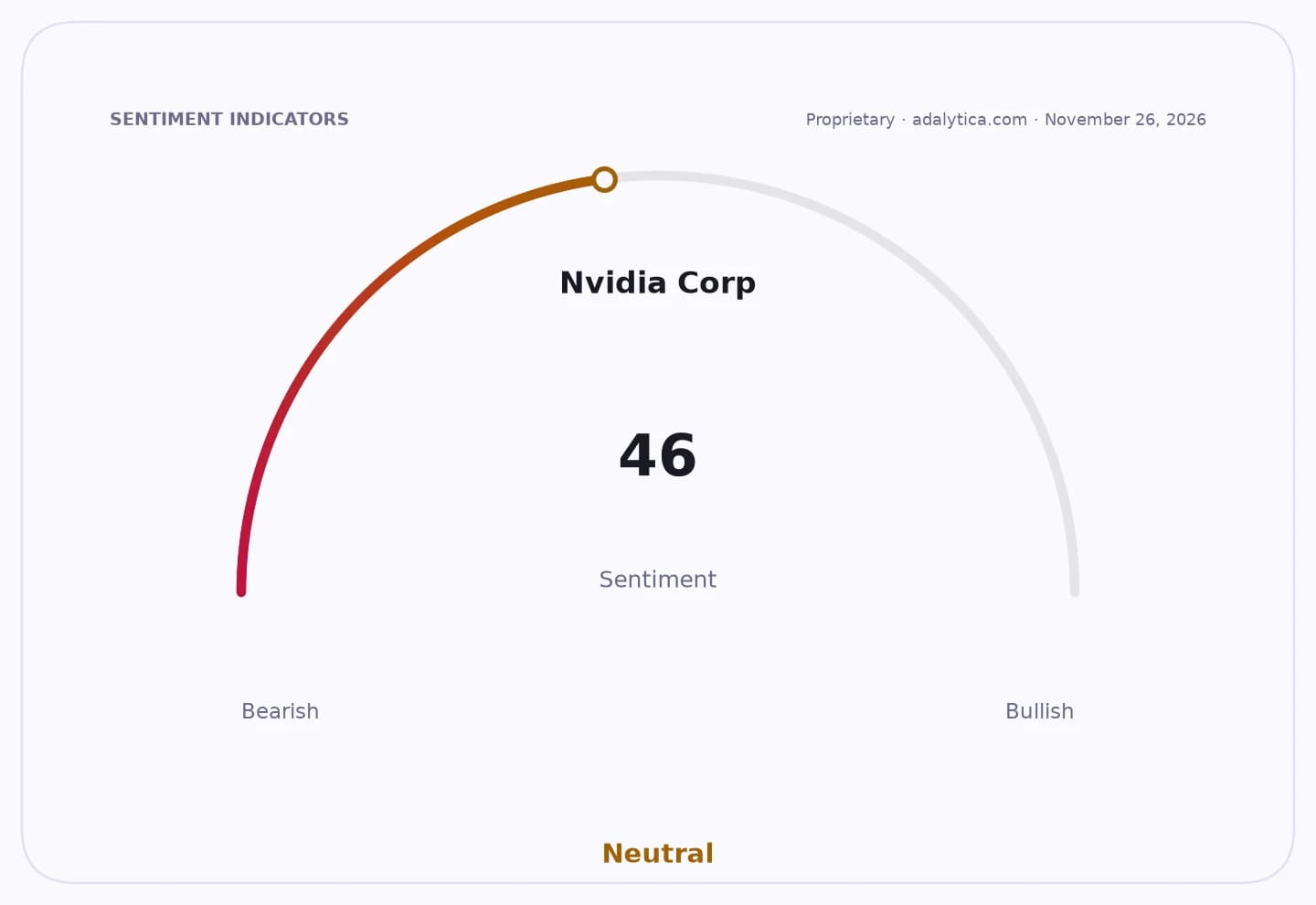
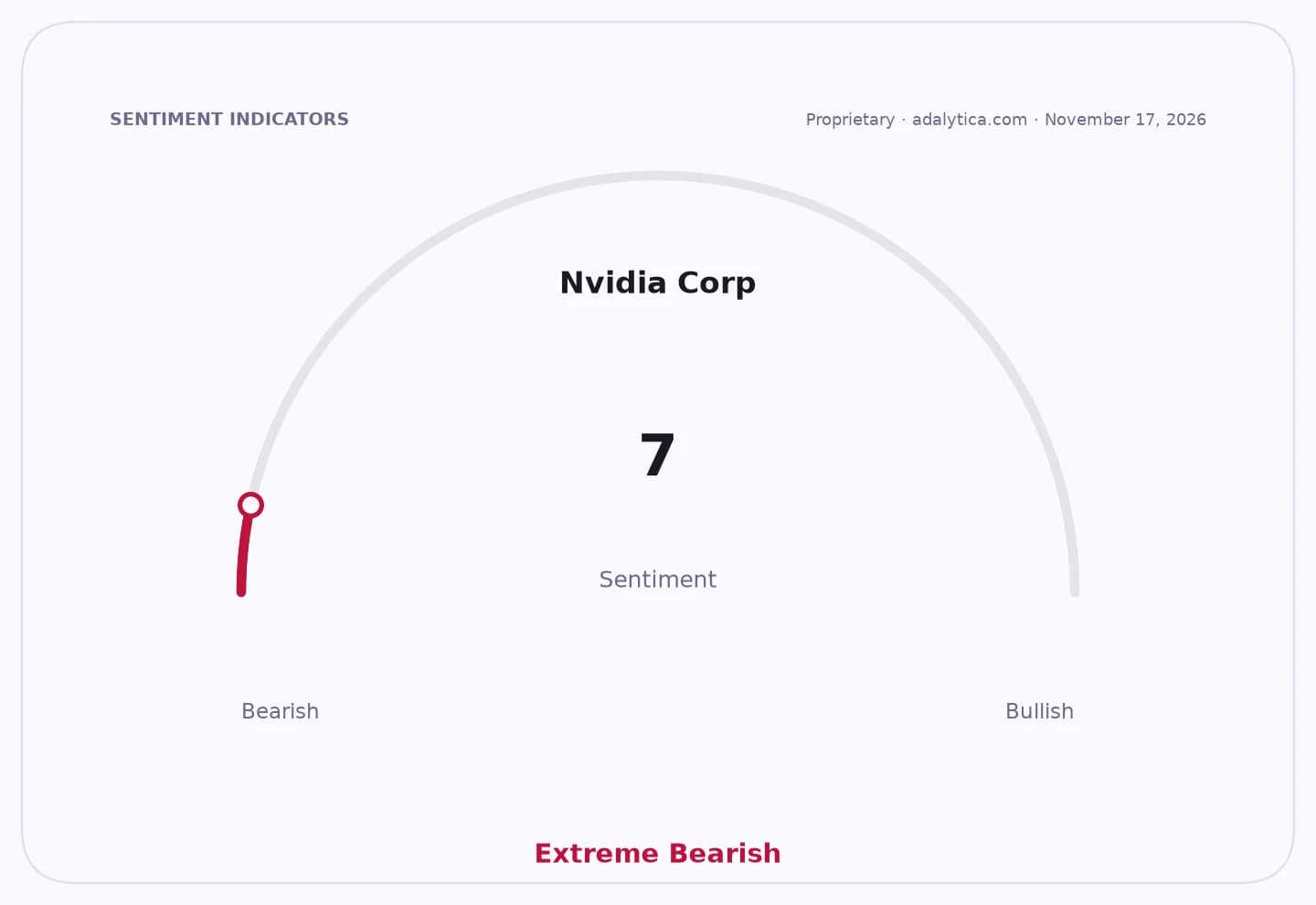
The concentration risk is amplified by the structure of passive investing. US tech giants now make up about a third of the S&P 500, so broad-market index funds automatically build larger positions as those stocks rise. That can work brilliantly when the AI trade is advancing, but it also means losses are transmitted quickly when sentiment changes. Technical indicators reinforce that caution: Nvidia’s recent price action has left the stock well below its 50-day and 200-day moving averages, while its RSI readings have spent time in oversold territory, a sign of how abruptly momentum reversed.
The broader AI ecosystem is also increasingly interconnected. Anthropic has committed to spend more than US$250 billion on computing capacity from Google, Amazon and Microsoft, while Nvidia has guaranteed up to US$118 billion of partners’ data-centre costs, including US$105 billion tied to an Ohio campus leased to OpenAI. Those commitments have not yet translated into payments, but they show how the same capital-spending cycle is binding suppliers, cloud providers and customers together. If AI spending stays hot, the whole chain benefits. If it slows, the downside can be similarly synchronized.
Policy is another risk investors cannot diversify away. A Nov. 16 US Commerce Department rule tightened export licensing for advanced AI chips to five countries and limited remote access through overseas data centres, highlighting how quickly Washington can alter the earnings outlook for the sector. For Nvidia, Microsoft and other AI beneficiaries, the policy backdrop is now as important as product demand.
| Entity | Gains | Losses |
|---|---|---|
| Nvidia and AI suppliers | ▲Continued AI demand and capital spending | ▼Governance shocks and policy scrutiny |
| NZ Super Fund and KiwiSaver holders | ▲Long-term exposure to tech growth | ▼Short-term volatility in retirement balances |
| Microsoft, Amazon, Alphabet | ▲Stronger AI infrastructure spending | ▼Higher concentration risk if spending slows |
| Fisher Funds-style lower-tech portfolios | ▲Less exposure to Nvidia drawdowns | ▼Less upside if AI rally resumes |