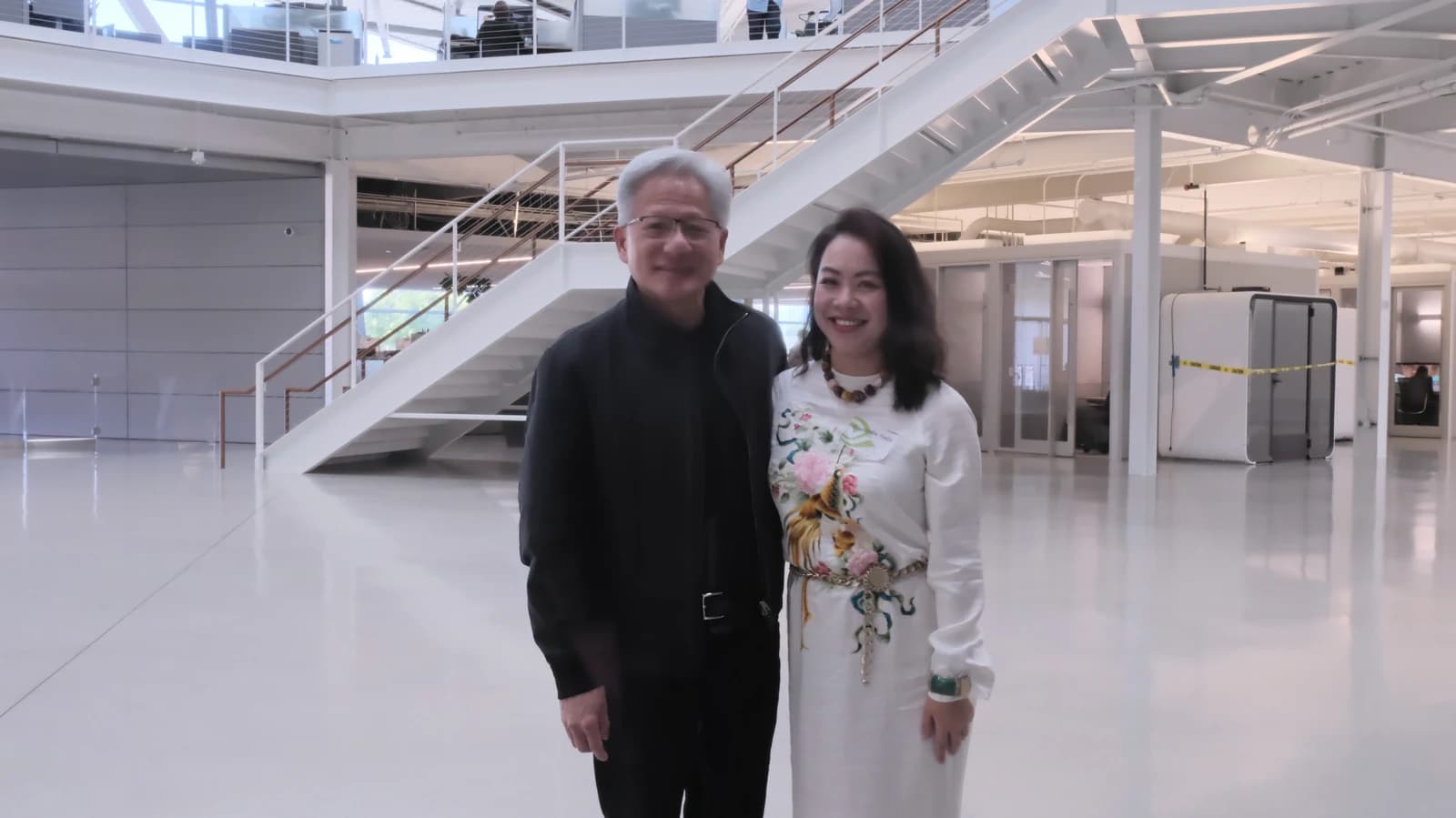
Donald Trump’s public embrace of Jensen Huang’s return to Nvidia is the latest reminder that the AI trade now runs through Washington as much as through Silicon Valley, and investors should not underestimate how quickly political cover can become a valuation catalyst.
Nvidia gets Trump backing as AI policy risk stays
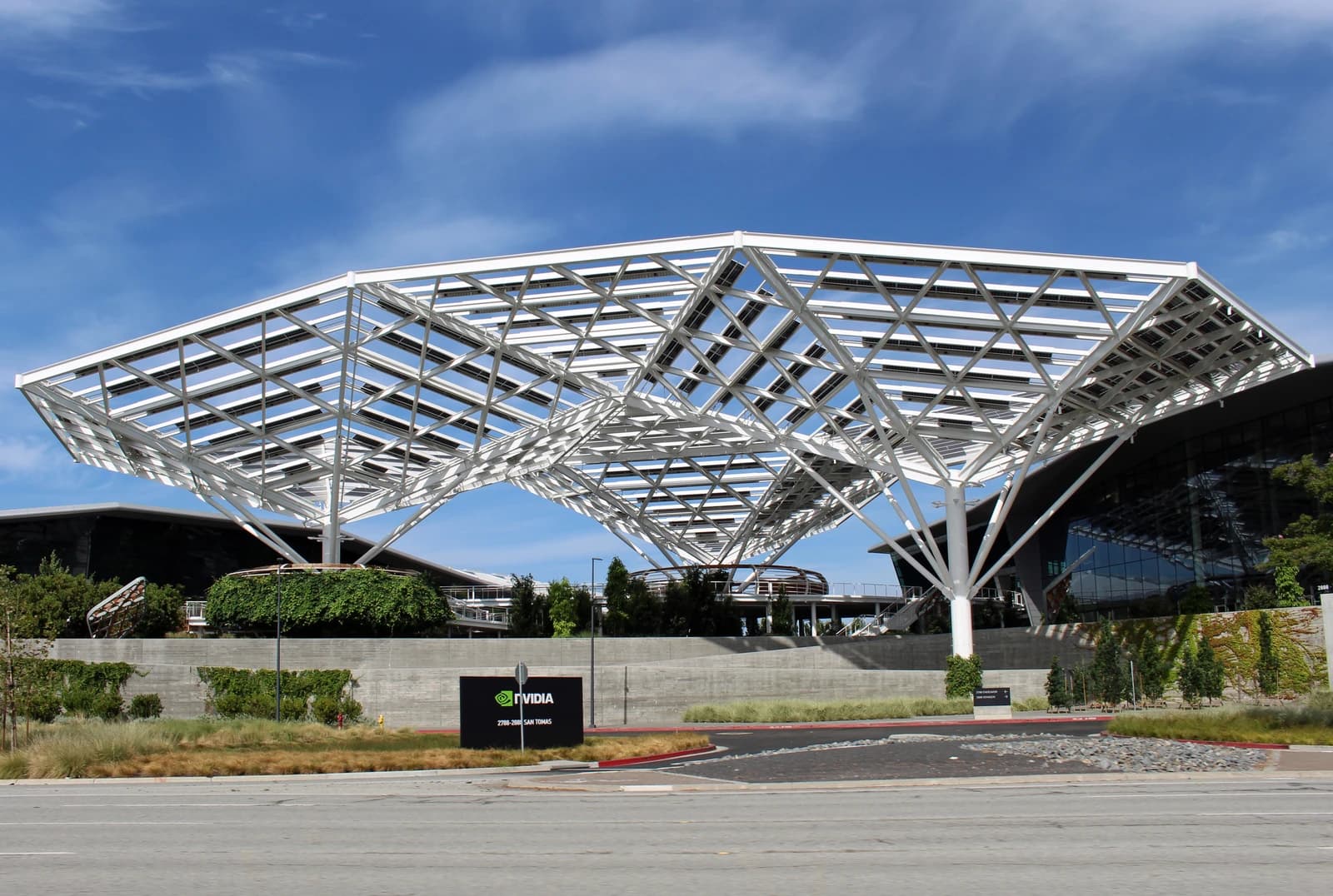
Nvidia Corp
The president’s Truth Social post — including an AI-generated image that cast Huang as a comeback figure — may have looked surreal, but the message was clear: Nvidia’s chief has the White House’s blessing, at least for now. That matters because Nvidia sits at the center of the AI buildout, where export controls, China exposure and executive scrutiny have become as important to the stock as chip demand itself.
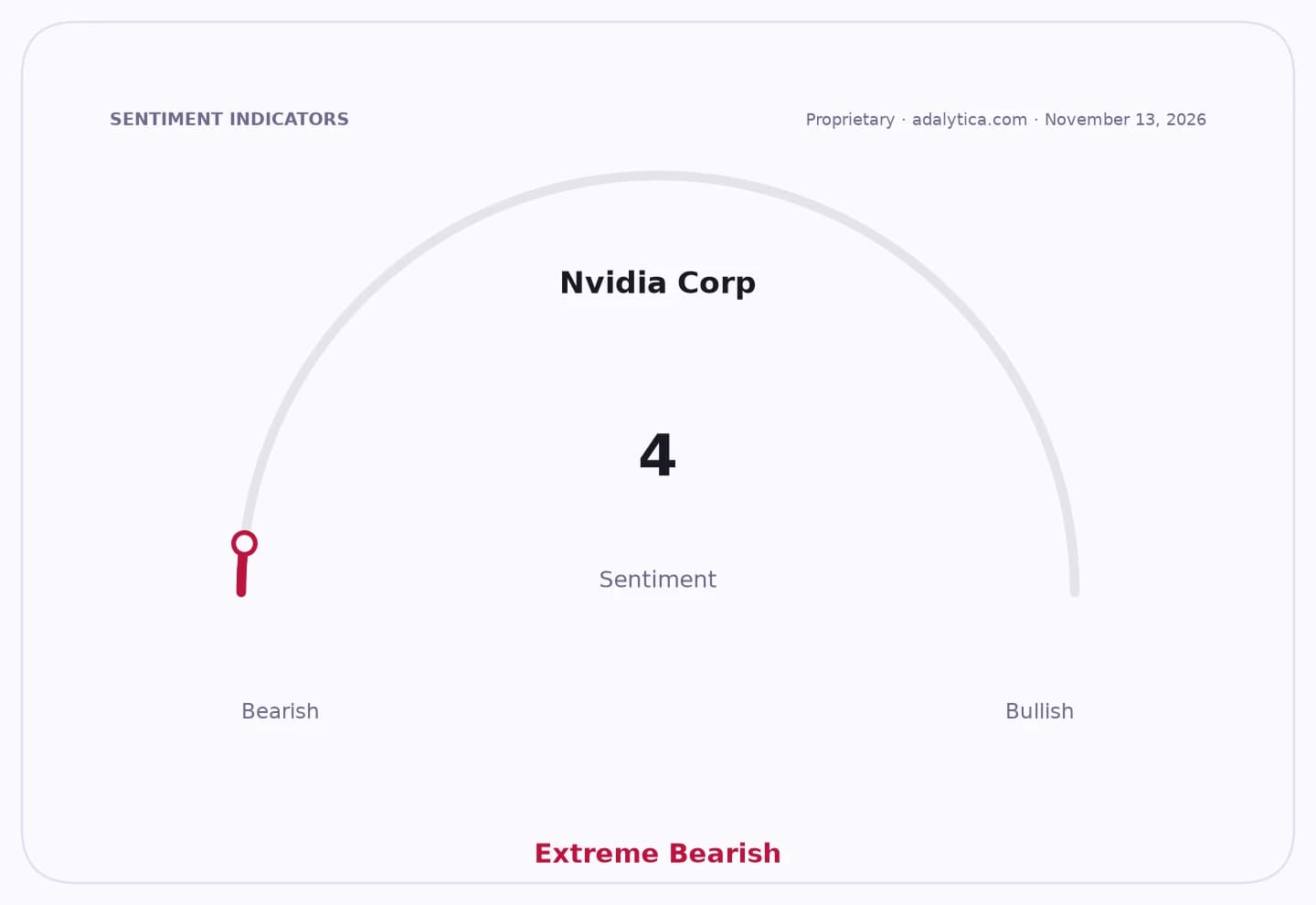
Sentiment Indicators
Artificial Intelligence
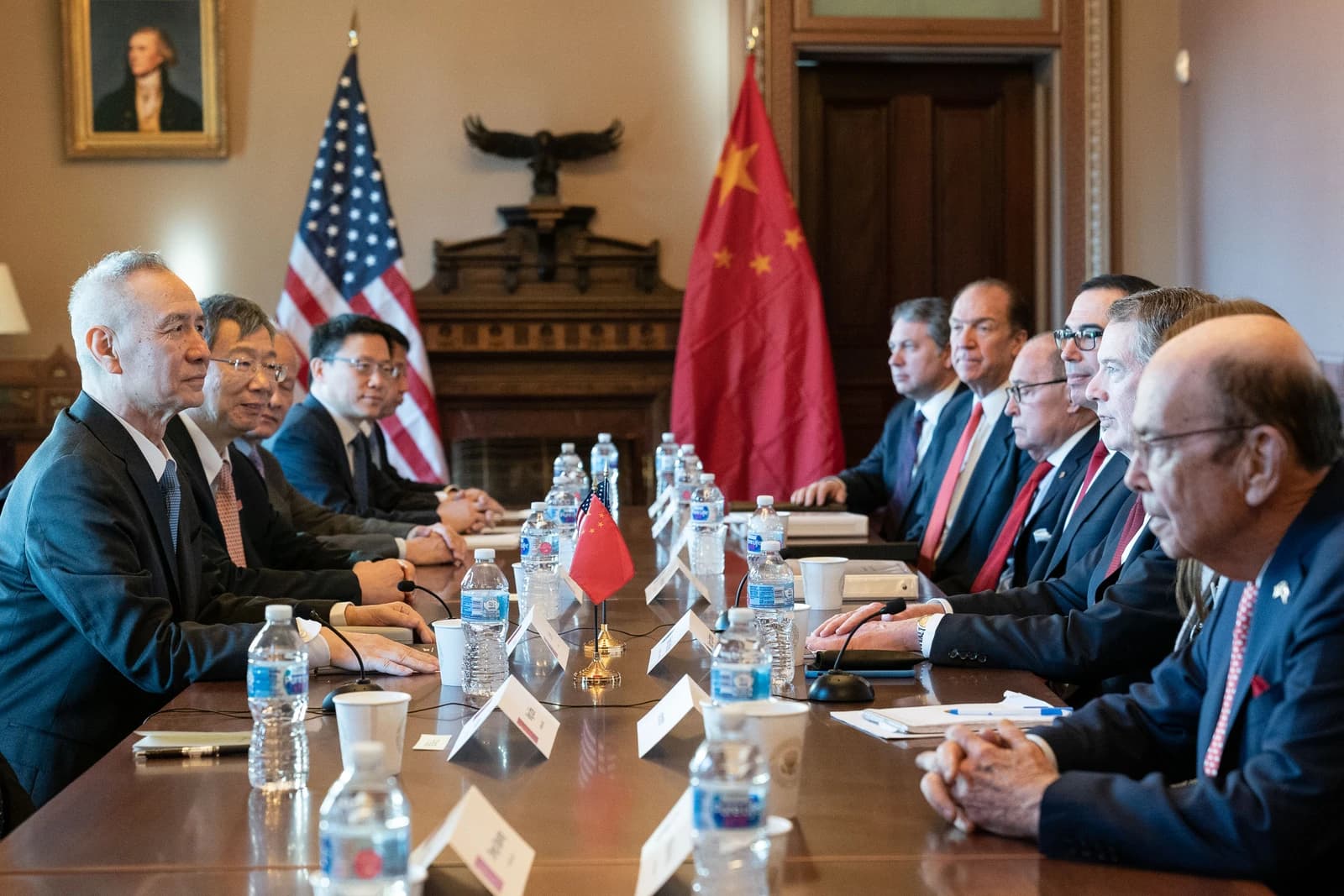
Trump said the government had no evidence Huang engaged in unlawful conduct and called him a “Great Patriot and National Treasure,” while also pressing Nvidia to keep tightening compliance around US export controls. That combination is telling. It suggests the administration wants the company’s AI leadership without loosening the geopolitical leash — a setup that can keep the stock volatile even as it preserves the long-term investment case.
For investors, the deeper point is that Nvidia’s fate is increasingly tied to policy signaling, not just product cycles. The stock has been under pressure, with recent trading showing it well below its 50-day moving average and a deeply oversold RSI reading, a sign the market has already priced in a good deal of stress. Yet the broader AI theme has not broken. Adalytica’s AI awareness gauge is elevated, and the market’s attention remains fixed on who controls the compute layer of the next industrial cycle.
That is why this episode matters beyond the tabloid optics. If the White House is effectively validating Huang while keeping pressure on China-related compliance, Nvidia’s U.S. and allied demand story stays intact, while the risk premium attached to international sales remains a live issue. The result is not a clean rerating, but a more selective one: U.S. hyperscaler capex, sovereign AI spending and domestic infrastructure names may continue to outperform, while China-linked revenue streams stay discounted.
The comparison with Trump is not accidental. Both men are selling a resurrection narrative, but only one of them is dealing with the economics of an AI monopoly in the middle of a geopolitical contest. If you want exposure, the market underestimates the second-order winners around Nvidia’s ecosystem more than Nvidia itself: chip equipment, data center power, networking, and the physical buildout that makes AI computing possible. The setback in the shares may be creating an entry point, but the cleaner asymmetric opportunity remains in the infrastructure around the kingmaker.
| Entity | Gains | Losses |
|---|---|---|
| Nvidia | ▲Political cover | ▼China revenue visibility |
| Jensen Huang | ▲Reinstatement momentum | ▼Reputation risk |
| U.S. AI suppliers | ▲Higher spending spillover | ▼Policy uncertainty |
| China-linked buyers | ▲Potential access pressure | ▼Supply chain leverage |