The biggest story in NYC stock right now is not whether the deal can still close, but that the market is already assigning it a meaningful chance of failure.
NYC Merger Spread Prices Real Approval Risk

At about $8.25, NYC is trading well below the $16 payout implied by a successful close and above the roughly $9 downside investors appear to be using if the transaction breaks. That spread matters because it means the stock is not pricing in a near-certain approval. It is pricing a real chance that one remaining discretionary decision — not a mechanical box-check — could still derail the deal.
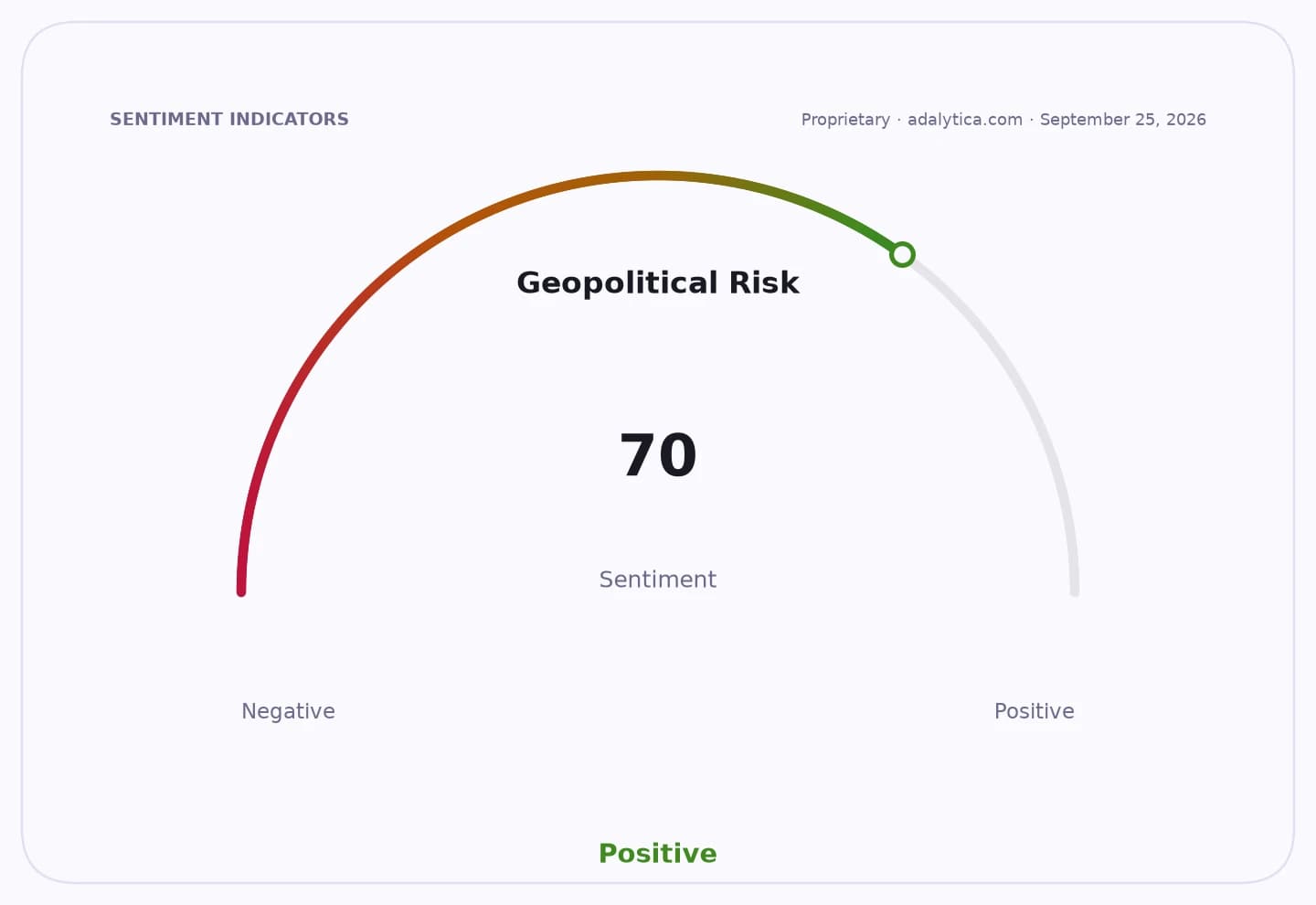
Sentiment IndicatorsⓘProprietary · adalytica.com · July 22, 2026
This is a snapshot — live sentiment, awareness and momentum for 130+ markets update continuously in the dashboard.Open AlphaPulse

For investors, that changes the question. The market is not saying the transaction is impossible. It is saying the final hurdle is different from the rest. Technical, antitrust and other routine approvals have already been cleared, but a public-interest review can follow its own logic, and that makes the last mile harder to handicap. If New York regulators carve out assets or impose conditions instead of outright rejecting the transaction, the downside may not stop at the familiar break price. In that case, the market would have to revalue not just the deal, but the company’s stand-alone earnings power and the value of whatever gets left behind.
That is why the seed math matters. If the stock is around $13, the market is implying roughly a 57% chance of success using the simple $16 upside and $9 downside framework. If an investor believes the true probability is closer to 85%, the opportunity is the gap between those two views. But that is a bet on regulatory judgment, not a broad operating turnaround.
The tape shows investors are treating it that way. NYC has spent months drifting lower, with the shares now around $8.25, below both the 50-day moving average of about $8.69 and the 200-day moving average of about $8.70. The stock’s RSI reading of 29.3 suggests it is near technically oversold territory, but the bigger message is not momentum. It is uncertainty. Volume spikes on down days, including a surge to 117,800 shares on July 17, tell you traders are still actively repositioning around the final approval outcome.
That distinction matters for long-term investors because merger spreads are not the same as growth stocks. You are not underwriting compounding earnings here; you are underwriting a single event with a binary payoff structure. When the last approval is discretionary, the market will often leave a wider discount than bulls expect, because the downside is not just a failed deal — it can be a slower, messier reset.
The other important takeaway is that this is a reminder of how markets price probability, not certainty. Even with broad regulatory clearance elsewhere, investors should expect the final arbiter to command the largest discount if it has the power to reshape the deal rather than simply sign off on it. That makes the key question not just whether NYC closes, but what the company would be worth if the regulator forces a compromise.
For patient investors, the lesson is simple: this is worth watching, but it is not the kind of setup you buy casually and forget. The edge lives in the spread between market-implied odds and your own conviction, and that gap only helps if you are right about the final decision.
| Entity | Gains | Losses |
|---|---|---|
| NYC holders if deal closes | ▲$16 payout | ▼current discount risk |
| NYC holders if deal breaks | ▲limited downside floor | ▼merger premium |
| Regulators | ▲policy leverage | ▼pressure to approve cleanly |
| Deal skeptics | ▲wider spread profits | ▼upside if approval lands |