New York City’s push to freeze rents is turning into a high-stakes legal fight that could reshape the economics of the city’s apartment market and ripple through publicly traded landlords, housing investors and would-be renters.
NYC Rent Freeze Puts Apartment REITs at Risk
The immediate issue is not just political symbolism. A rent freeze would cap revenue growth for owners in one of the country’s most expensive housing markets at a time when inflation remains elevated and operating costs are still rising. That matters because rental income is the core cash-flow driver for apartment real estate investment trusts, and any constraint on rent increases can quickly feed into valuations, borrowing capacity and dividend expectations.
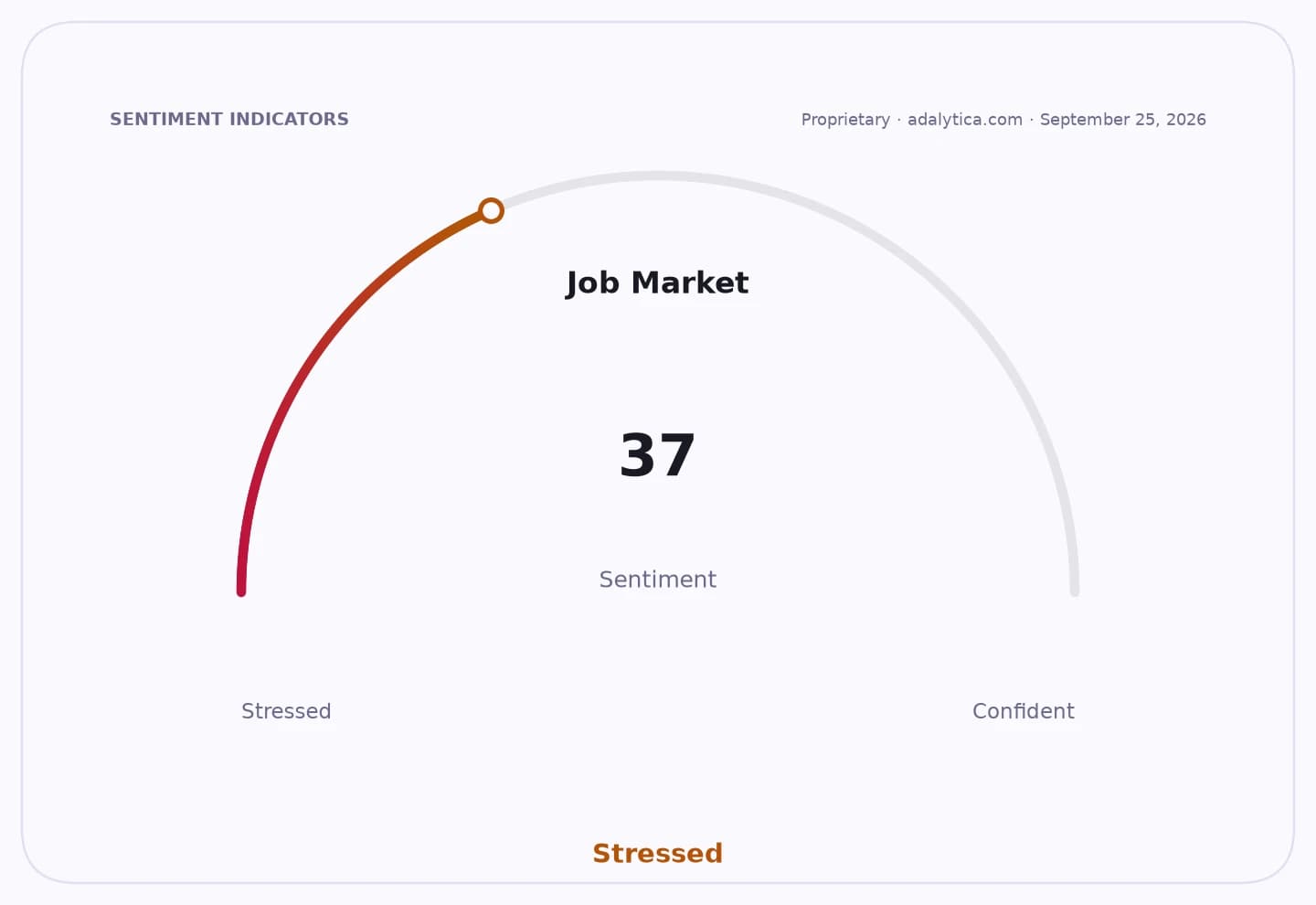
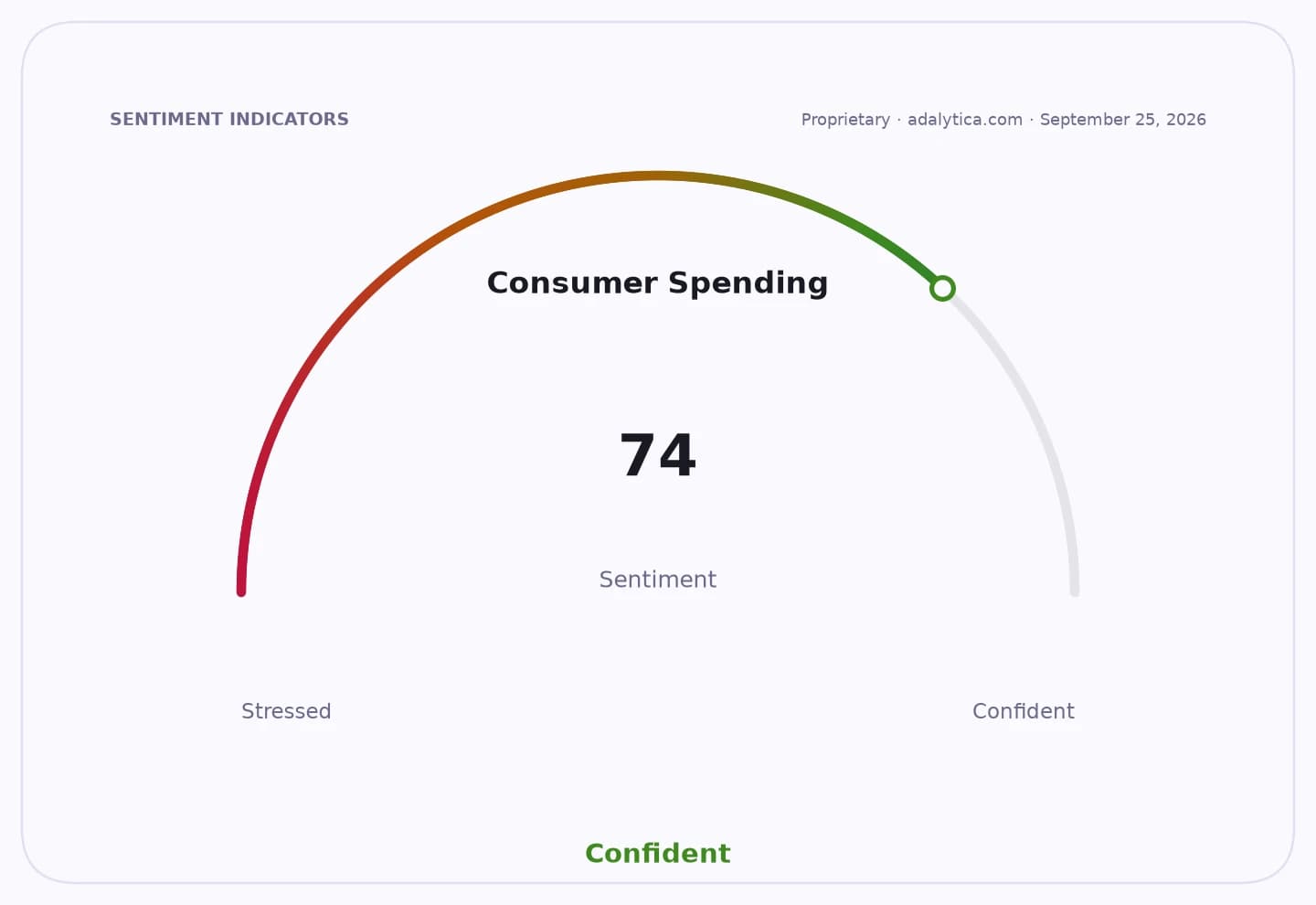
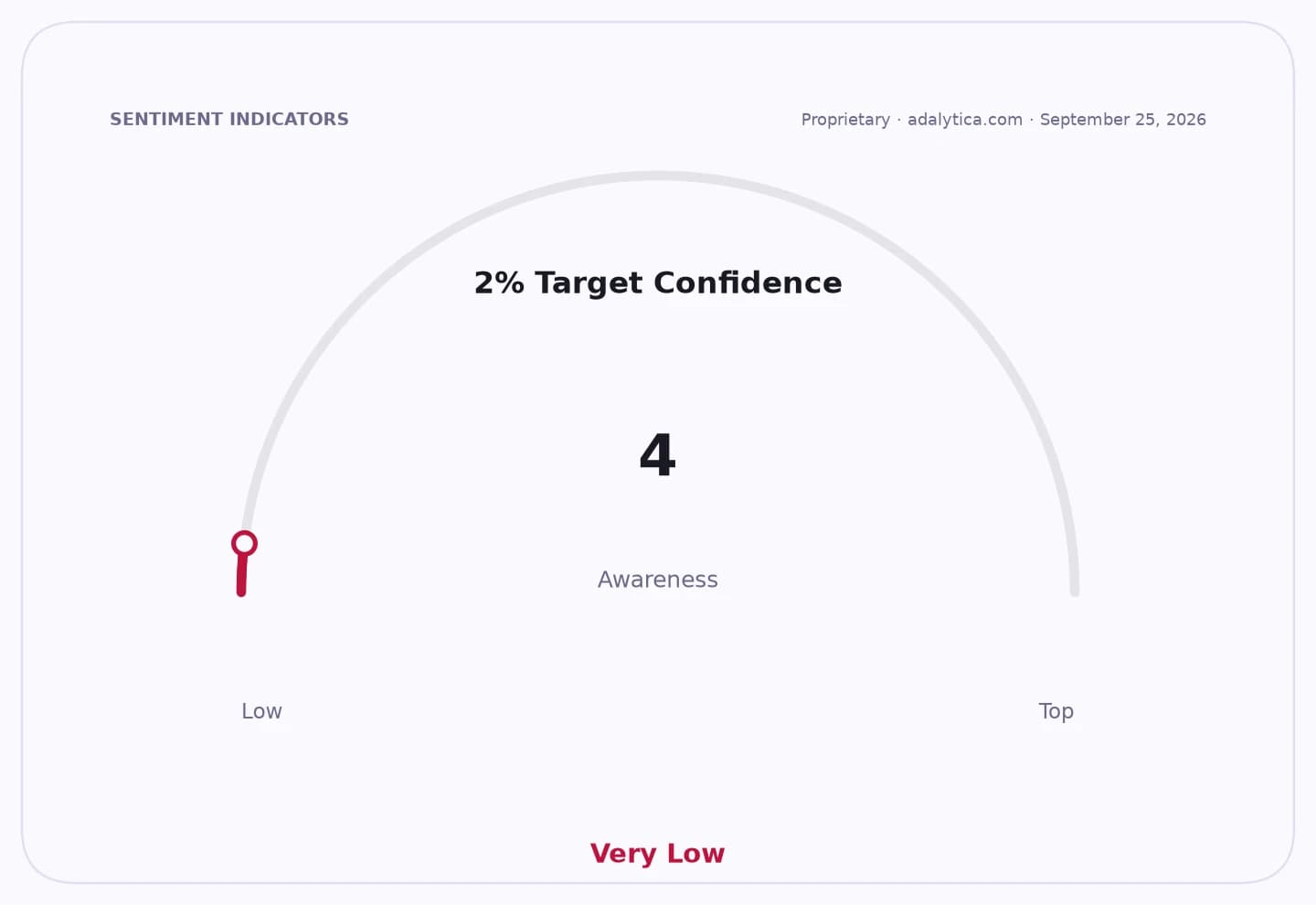
Sentiment IndicatorsⓘProprietary · adalytica.com · July 23, 2026
This is a snapshot — live sentiment, awareness and momentum for 130+ markets update continuously in the dashboard.Open AlphaPulse
The latest CPI data underline why housing affordability remains such a politically potent issue. Consumer prices are forecast to rise 0.89% in July after a 0.42% decline in June, leaving inflation well above the levels that typically ease pressure on tenants. Housing costs have been one of the stickiest components of inflation across the cycle, giving rent-control advocates a ready-made argument that policy intervention is needed even as owners warn that controls distort supply and discourage investment.
That tension is central to the lawsuit filed by New York landlords seeking to block implementation of the proposed freeze linked to Zohran Mamdani. For property owners, the risk is that a broad freeze would compress same-store revenue just as expenses for labor, maintenance, taxes and insurance remain hard to unwind. For tenants, a freeze offers immediate relief in a city where affordability has become a defining household expense and where rent increases can outrun wage growth for lower- and middle-income families.
Public apartment REITs suggest the market is watching the issue closely but not pricing in a systemwide shock. American Homes 4 Rent, Invitation Homes and Essex Property Trust have all held up better than the broader market in recent sessions, with technical indicators showing AMH above its 50-day and 200-day moving averages and ESS also trading comfortably above its longer-term average. That resilience implies investors still view the rent debate as a local policy risk rather than a national earnings reset, though sentiment around housing inflation remains sensitive. Adalytica’s Housing and Rent Inflation Sentiment gauge jumped to 79, a “Greed” reading, even as CPI sentiment slipped to neutral, reflecting the market’s focus on the persistence of housing pressure.
The bull case for landlords is that the legal challenge could slow or narrow any freeze, preserving pricing power in a supply-constrained market. The bear case is that even the threat of tighter rent regulation can deepen the discount investors apply to multifamily assets in New York, especially if policymakers broaden tenant protections or if similar measures gain traction elsewhere.
What happens next will matter beyond the courtroom. If the city’s rent policy survives legal scrutiny, it could strengthen tenant protections but also intensify scrutiny on apartment supply, redevelopment incentives and cap rates in regulated markets. If landlords prevail, it would reinforce the view that rent control remains a limited tool and that housing affordability will have to be addressed through supply, subsidies and zoning rather than blunt caps on increases.
| Entity | Gains | Losses |
|---|---|---|
| Tenants | ▲Lower rent burdens | ▼Fewer new units |
| Landlords | ▲Higher pricing flexibility | ▼Revenue caps |
| Apartment REITs | ▲Policy clarity | ▼Valuation pressure |
| City policymakers | ▲Affordability signal | ▼Legal setback |