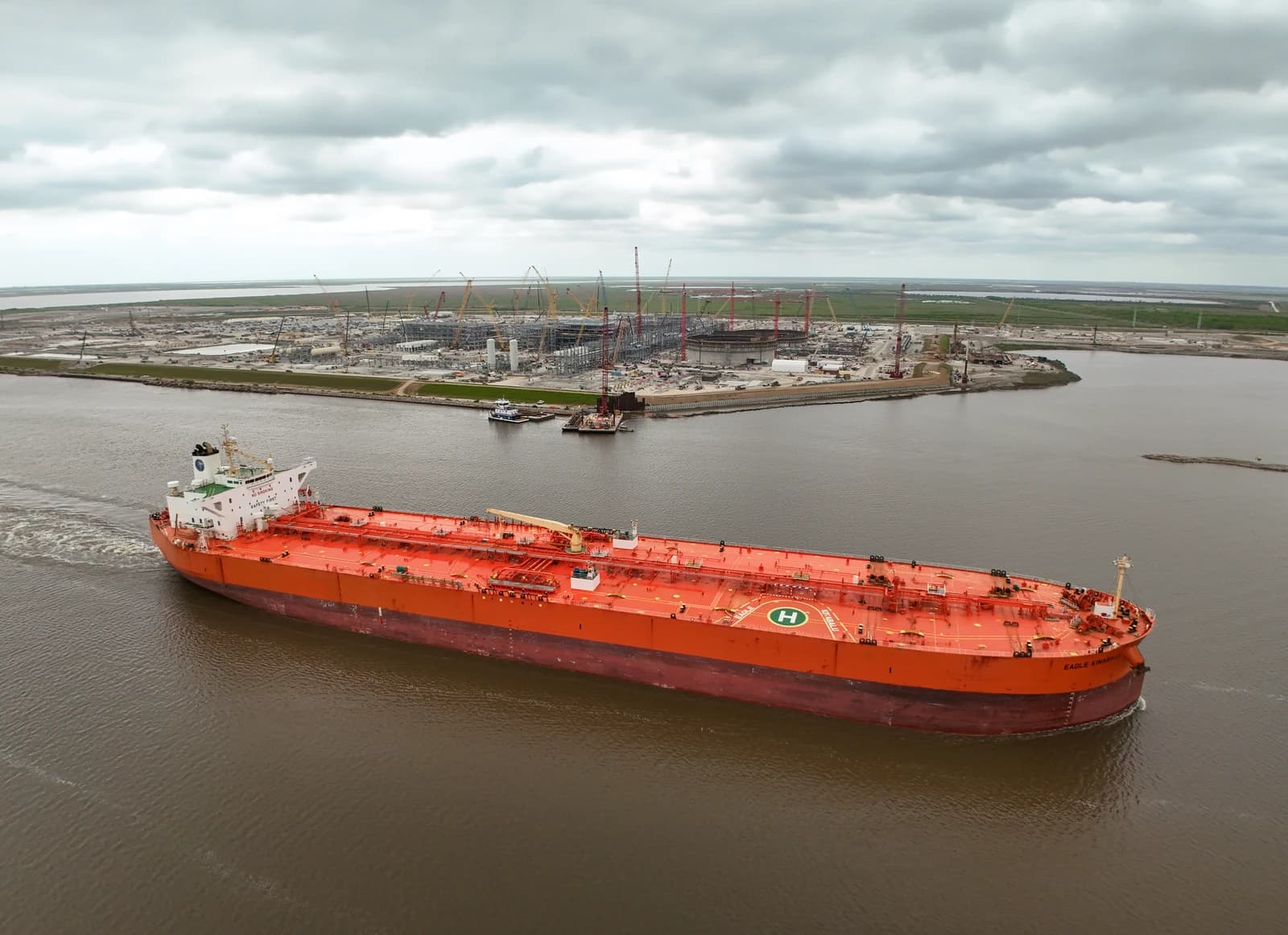
Trump’s latest warning that Iran is “hanging by a thread” is landing first as a market story: crude and energy equities are already pricing in the chance that Gulf tensions could choke off supplies through the Strait of Hormuz, the world’s most important oil chokepoint.
Oil and Energy ETFs Rise on Iran Tensions

That matters because the Middle East is no longer just a geopolitical flashpoint — it is a direct input into inflation, bond yields and equity leadership. Front-end crude has been bid higher on the prospect of disruption, with WTI near $86.74 a barrel in the latest forecast and USO closing at $130.91 on Aug. 19, well above its 50-day moving average of $120.09. The broader energy complex has followed, with the Energy Select Sector SPDR at $63.58, above both its 50-day and 200-day moving averages, while the S&P oil and gas exploration and production ETF has surged to $186.33, also sitting near its upper Bollinger Band.
For investors, that is the real inflection point. A sustained risk premium in crude would reinforce cash flow generation for integrated majors, shale producers and oilfield service names, while pressuring airlines, refiners with weak feedstock flexibility, chemical producers and the broader consumer complex through higher input costs. The technical picture underscores how fast money is positioning: USO’s RSI is back above 50 after a volatile summer, while XLE’s RSI remains elevated at 71.8, a sign of persistent momentum rather than a one-day headline spike.
The macro transmission is straightforward. Higher oil prices would complicate the Federal Reserve’s path just as the 10-year Treasury yield sits around 4.73%, keeping financial conditions tight. They would also hit importers and industrials harder than producers, and they could revive the old playbook in which geopolitical stress drives a stronger bid for energy assets, defense names and hard-currency hedges while weakening cyclicals and rate-sensitive growth stocks.
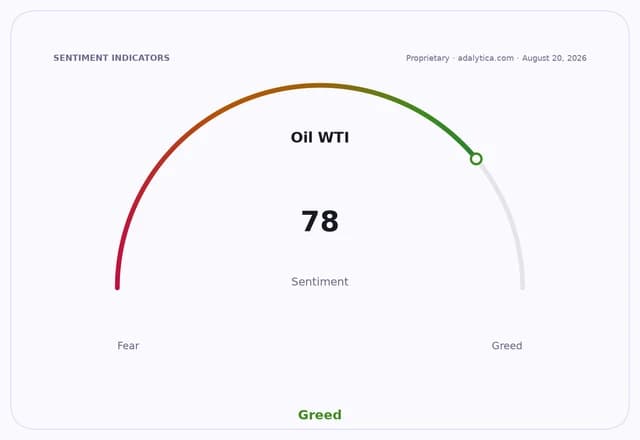
Oil WTI — 30-day sentimentadalytica.com
Explore this data interactively — full history, time series and cross-market comparisons.Open AlphaPulse

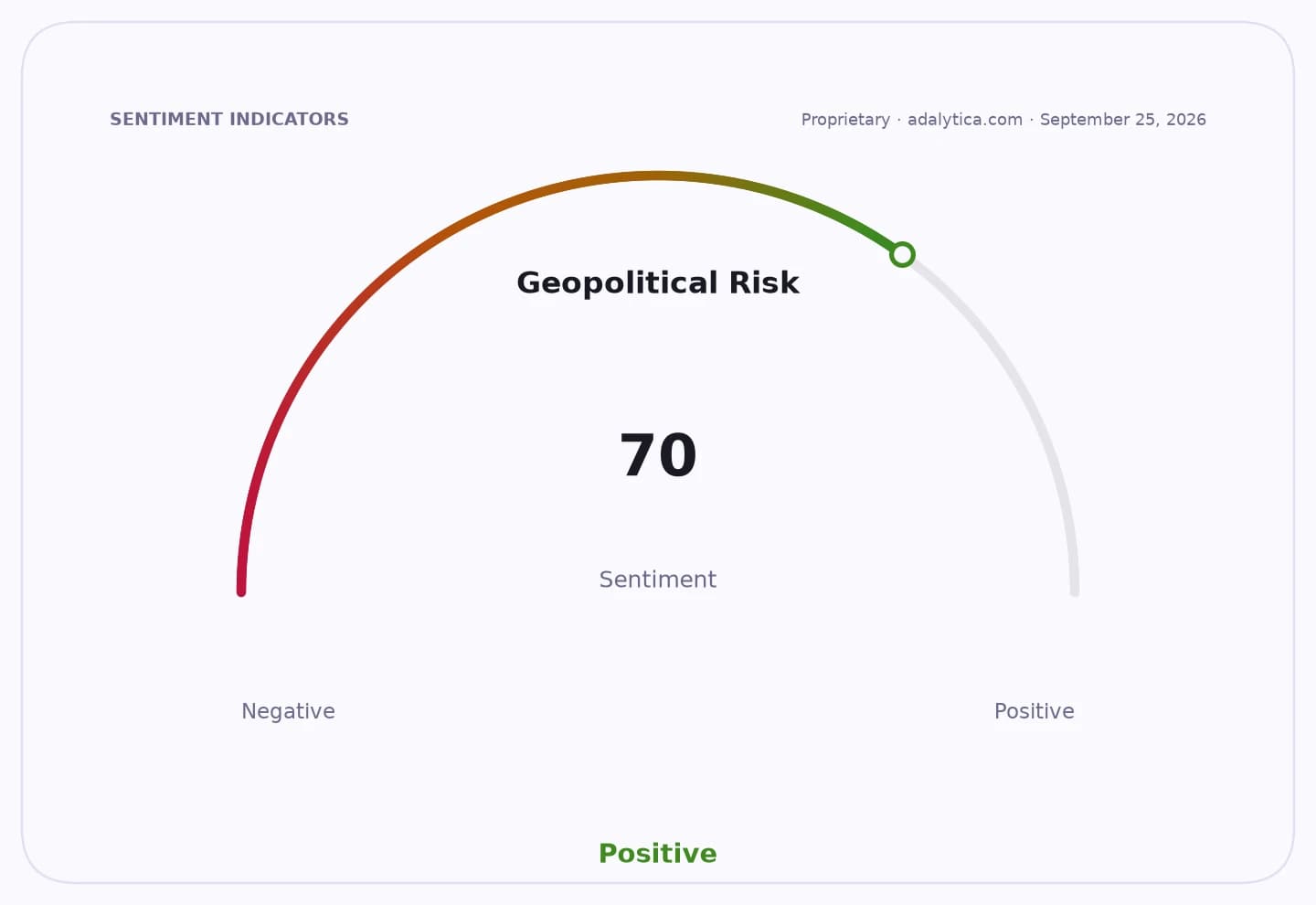
Adalytica’s trade signals point to the same setup. Its WTI snapshot shows sentiment at 78, or “Greed,” even as awareness remains at an “Extreme Fear” reading of 4, suggesting the market is leaning into higher prices while still underestimating how quickly a regional escalation could spill into supply chains. By contrast, its global stability gauge is flashing “Extreme Fear,” and its US dollar signal has sunk to “Extreme Fear” as well, a combination that suggests investors are bracing for wider volatility rather than a contained diplomatic flare-up.
That is why the winning trade is not simply “oil up.” It is owning the infrastructure and producers that benefit from a durable geopolitical premium before consensus fully reprices the risk. Integrated names such as Chevron and Exxon Mobil, large-cap producers like Occidental, and the broader energy ETF complex remain the cleanest liquid expressions if Gulf tensions deepen. If diplomacy fails and the Strait of Hormuz becomes more than a threat, the next leg higher in crude could be fast — and investors underexposed to energy would be chasing a move that is already starting to look structural.
| Entity | Gains | Losses |
|---|---|---|
| Oil producers | ▲Higher realized prices | ▼Demand destruction risk |
| Energy ETFs | ▲Inflows, momentum | ▼Valuation risk if tensions ease |
| Airlines and consumers | ▲Lower fuel costs only if crude falls | ▼Higher fuel and input costs |
| Iran and Gulf importers | ▲Leverage in talks, if escalation is avoided | ▼Trade disruption, sanctions risk |