Oil prices and climate-driven supply shocks could keep global inflation stickier for longer than markets and policymakers expect, with JPMorgan warning that energy costs and El Niño risk may slow the disinflation process into 2027.
Oil Prices Could Keep Inflation Sticky
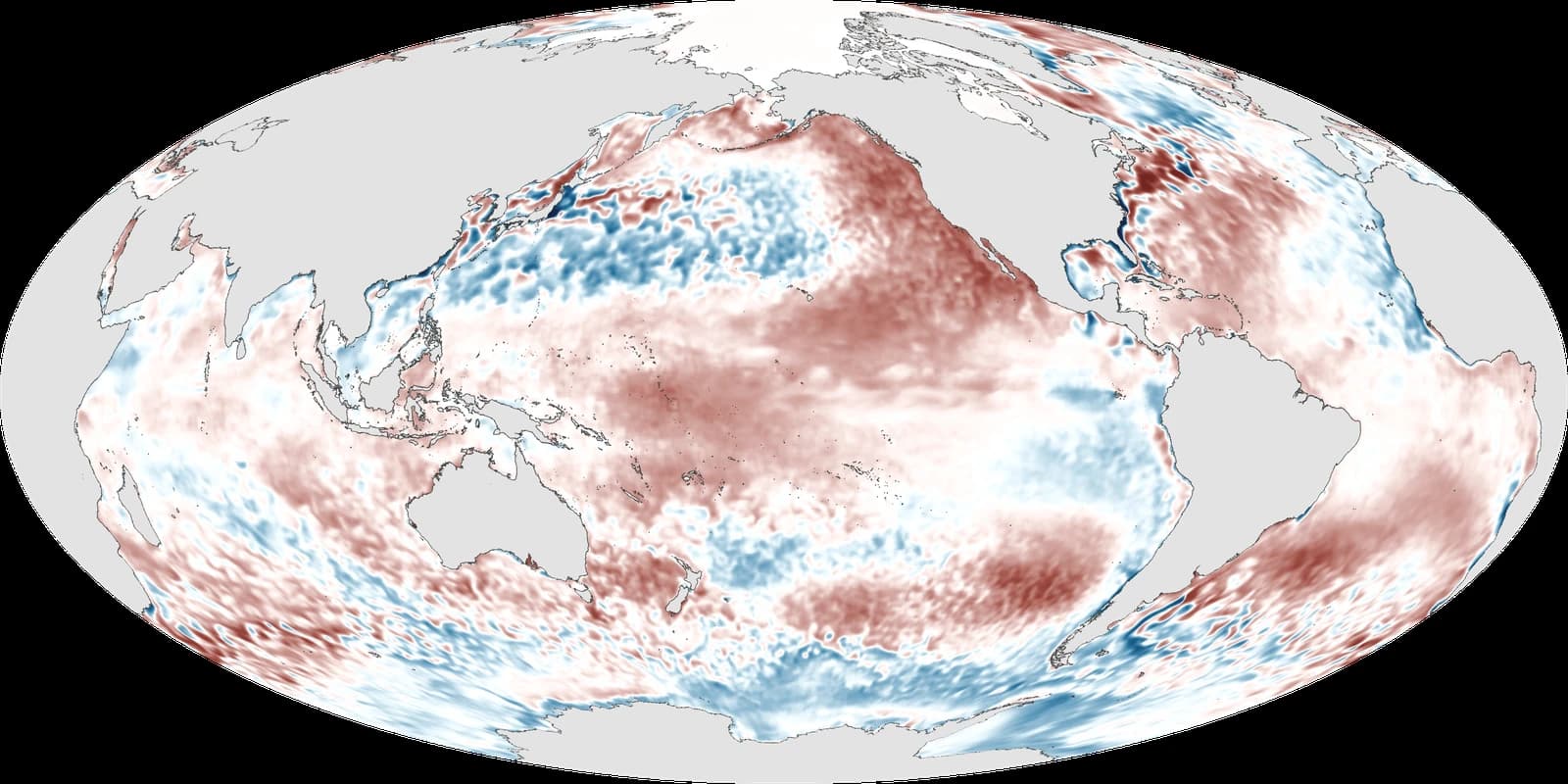
That matters because the next phase of the inflation cycle is not just about whether price gains keep easing, but whether they can fall far enough for central banks to stop worrying about renewed shocks. JPMorgan’s caution lands at a sensitive moment: Brent and U.S. crude have already been volatile, and the latest rally in oil underscores how quickly geopolitical stress can spill into consumer prices, transport costs and wage expectations.
Sentiment IndicatorsⓘProprietary · adalytica.com · July 25, 2026
This is a snapshot — live sentiment, awareness and momentum for 130+ markets update continuously in the dashboard.Open AlphaPulse

U.S. crude’s benchmark has climbed back to $89.31 a barrel, up from $83.85 in mid-April and far above the $20.48 trough seen during the 2020 demand collapse. The move is feeding through to broader inflation gauges. The U.S. consumer price index forecast for July points to 335.512, while the producer price index is seen at 295.8433, both still elevated in a way that leaves less room for central banks to declare victory. Even if monthly inflation readings cool, energy remains a stubborn input into goods, services and headline expectations.
The macro significance is straightforward: oil acts as a tax on importers and a windfall for exporters, while El Niño can tighten food and power supplies just as households and businesses are already absorbing higher fuel bills. In the euro area and other energy-importing economies, that combination can delay real wage recovery, keep input costs firm for manufacturers and complicate the path back to central bank targets. It also raises the risk that inflation decelerates unevenly rather than in a clean, policy-friendly line.

Markets are already signaling that investors are not fully comfortable with the idea of an orderly glide path lower in prices. The energy sector has outperformed, with the XLE fund at 59.62 and WTI-linked USO at 136.69, both sitting well above their 50-day moving averages. WTI’s relative strength index has remained elevated, suggesting the move is not just a brief squeeze but a trend traders are still pressing. Chevron’s shares have also tracked the energy rebound, while the broader dollar has weakened sharply, with Adalytica’s U.S. Dollar Trade Signals flashing “Extreme Fear,” a sign that investors are repositioning around higher commodity risk and policy uncertainty.
For investors, the key implication is that inflation-sensitive assets may not get the clean disinflation backdrop they have been pricing. Higher-for-longer energy prices tend to support oil producers, pipeline operators and related service names, but they pressure airlines, refiners, consumer discretionary stocks and rate-sensitive equities if central banks react defensively. If oil remains near current levels or climbs further, it would also increase the odds of more hawkish language from the ECB and keep the Federal Reserve wary of declaring inflation contained.
The bear case for JPMorgan’s view is that tighter monetary policy, softer demand and supply responses from producers could eventually cap oil and limit second-round inflation effects. But the bull case for stickier inflation is that geopolitics and weather are increasingly outside policymakers’ control, and those shocks can arrive just as price growth appears to be normalizing. For now, the message for markets is that the last mile of disinflation may be the hardest, and it may depend less on central banks than on crude barrels and climate patterns.
| Entity | Gains | Losses |
|---|---|---|
| Oil producers | ▲Higher realized prices | ▼Demand destruction risk |
| Energy investors | ▲Stronger cash flows | ▼Volatility if prices reverse |
| Importing economies | ▲— | ▼Higher inflation and trade bills |
| Central banks | ▲— | ▼Slower disinflation and policy pressure |




