Italian borrowing costs are falling fast, with the BTP-Bund spread narrowing to almost 80 basis points and the 10-year BTP yield dropping to 3.88%, as a slide in oil prices eases pressure on inflation and supports demand for euro zone sovereign debt.
Falling Oil Lifts Italian Bonds

The move matters because energy is still one of the clearest near-term drivers of inflation expectations in Europe. Lower oil prices reduce imported inflation risk, improve the outlook for household spending and corporate margins, and can make Italian debt look more attractive relative to German Bunds.
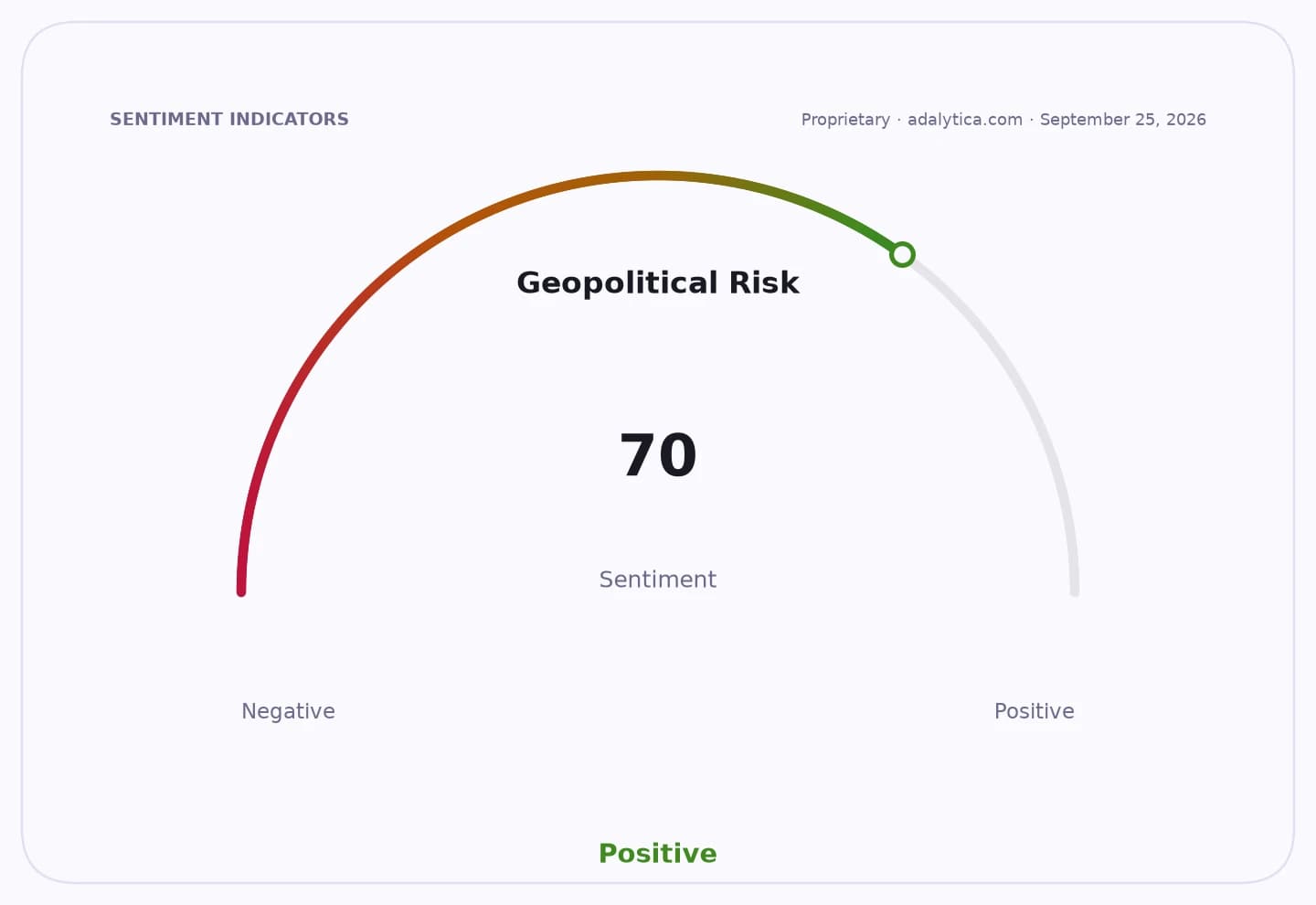
Sentiment IndicatorsⓘProprietary · adalytica.com · July 28, 2026
This is a snapshot — live sentiment, awareness and momentum for 130+ markets update continuously in the dashboard.Open AlphaPulse
For investors, the compression in the Italy-Germany spread signals a firmer risk appetite toward peripheral euro zone bonds, where valuations are highly sensitive to growth, inflation and European Central Bank policy expectations. A narrower spread also lowers funding pressure on Rome and helps keep a lid on the cost of servicing one of Europe’s largest public debt loads.
The backdrop is a broader repricing across fixed income as falling crude prices feed expectations that the ECB can stay on hold longer, or at least avoid a more hawkish stance. That has helped longer-dated sovereigns, while the move in U.S. 10-year Treasury yields, around 4.7%, underscores that global bond markets remain focused on the path of policy and inflation rather than just domestic data.
Oil itself is still elevated by historical standards, with U.S. crude around the mid-$80s a barrel in the latest readings, but the recent decline is enough to influence rate markets and sovereign spreads. For Italy, which tends to trade as a barometer of euro zone stress and growth confidence, the spread moving back toward 80 bps is a sign that investors are temporarily looking past political and fiscal risks.
The next test is whether energy prices keep easing and whether upcoming inflation prints confirm a durable cooling in price pressure. If not, the rally in Italian bonds could fade quickly, but for now lower oil is giving BTPs a clear tailwind.
| Entity | Gains | Losses |
|---|---|---|
| Italian government bondholders | ▲Price gains, tighter spreads | ▼Less upside if oil rebounds |
| Italian Treasury | ▲Lower funding pressure | ▼Higher costs if risk sentiment reverses |
| German Bunds | ▲Relative safety premium reinforced | ▼Underperform if peripheral spreads keep tightening |
| Oil exporters | ▲Weaker revenue outlook | ▼Buyers and importers gain from cheaper energy |