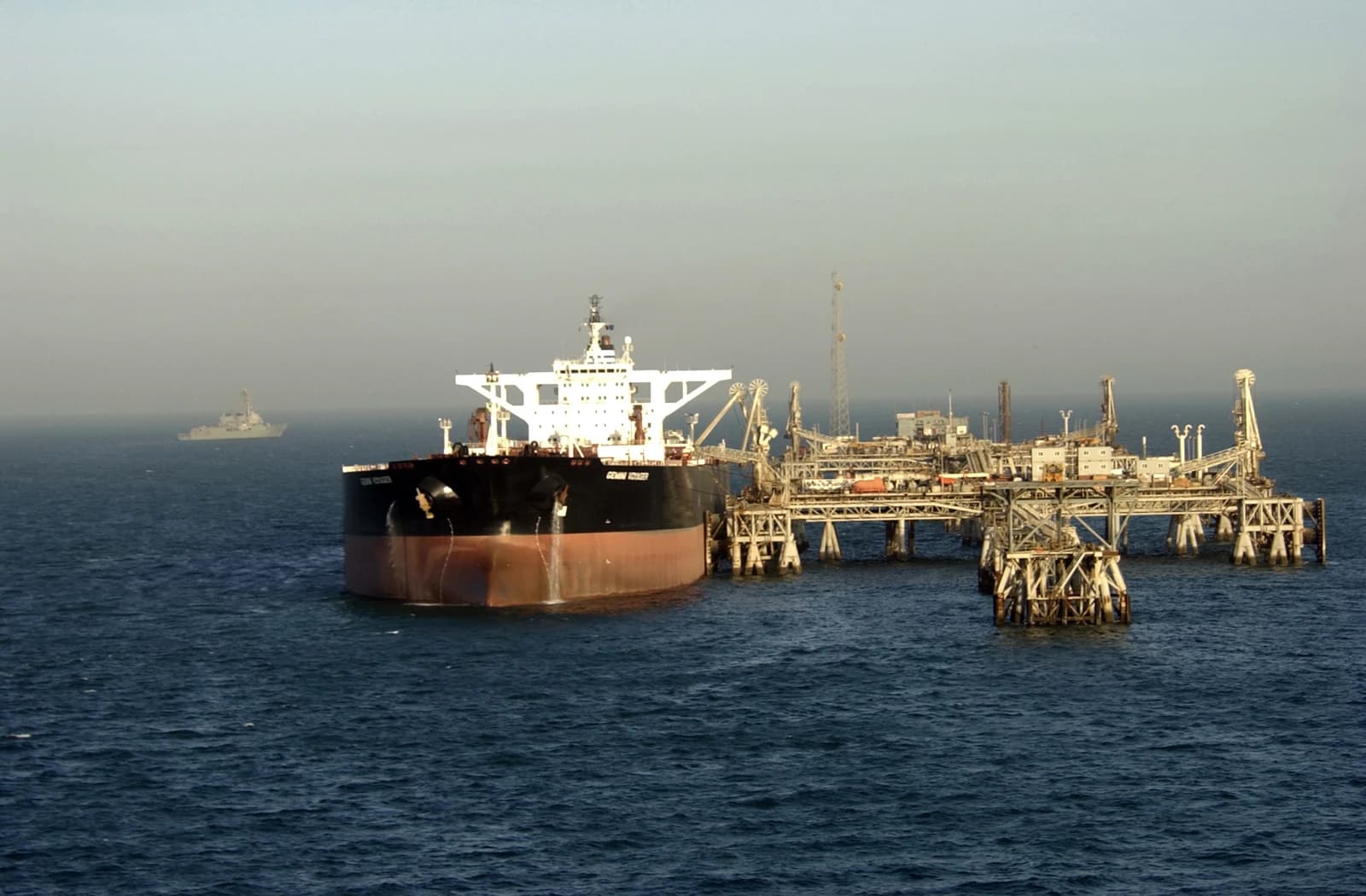
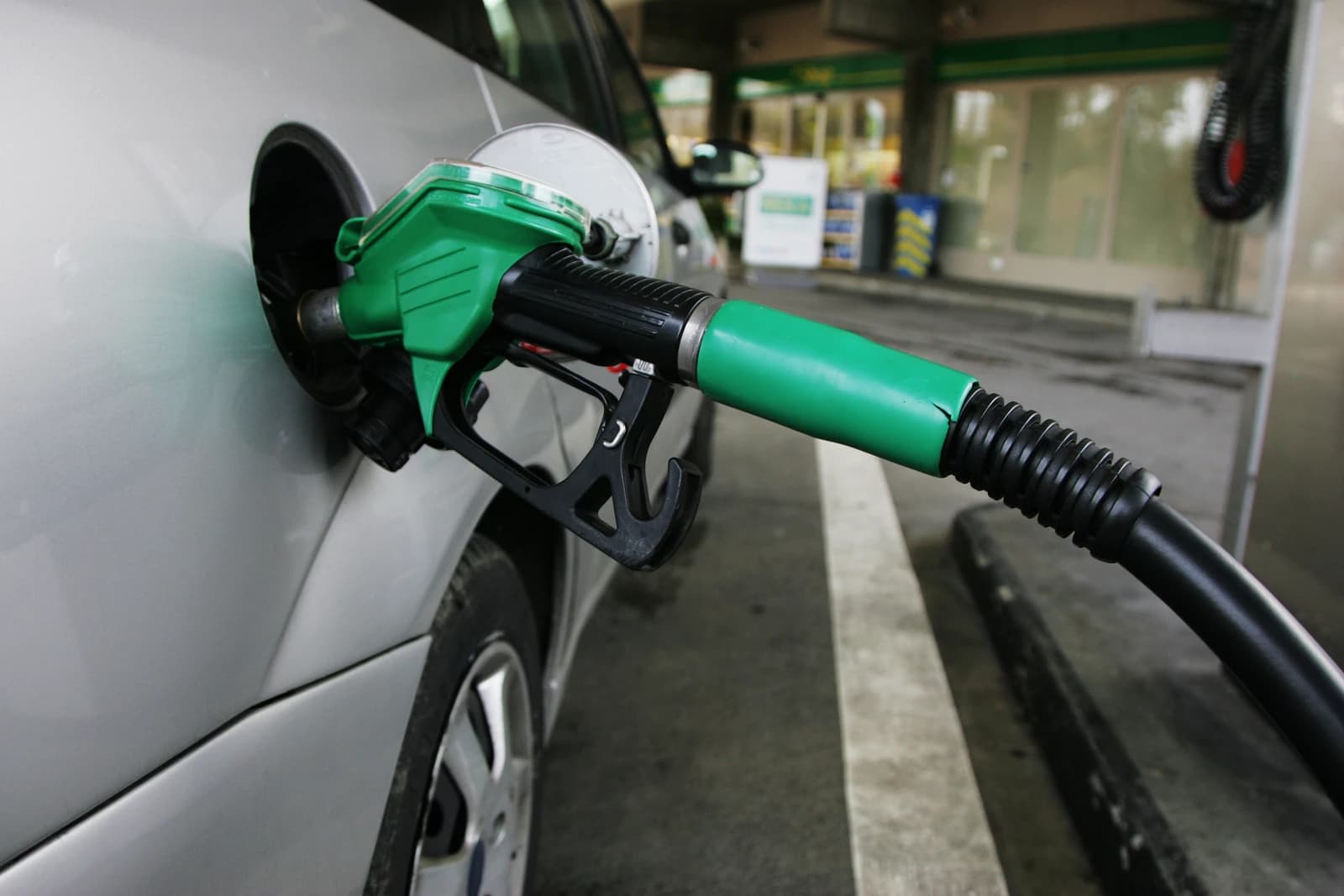
Fuel costs are becoming the clearest source of renewed inflation pressure in August, with higher gasoline, diesel and heating-oil prices feeding through to consumer bills and complicating the outlook for central banks and bond markets.
Oil Prices Lift Inflation, Support Energy Stocks
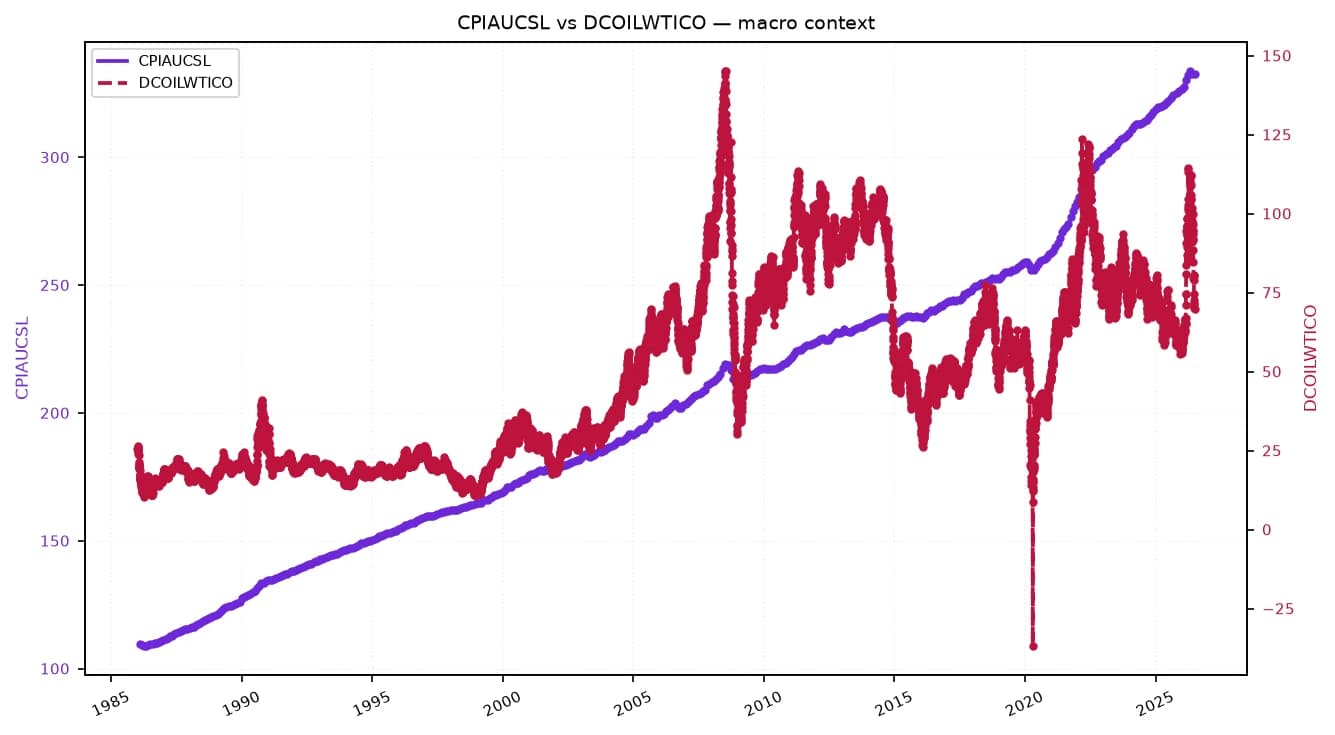
In Germany, inflation in the state of Thuringia accelerated to 3.3% in August from 3.0% in July, according to the regional statistics office, with energy doing most of the work. Heating oil jumped 34.3% from a year earlier, diesel 42.6% and super unleaded 31.5%. Excluding heating oil and motor fuels, August inflation would have been just 2.1%, underscoring how sharply fuel is distorting the broader price picture.
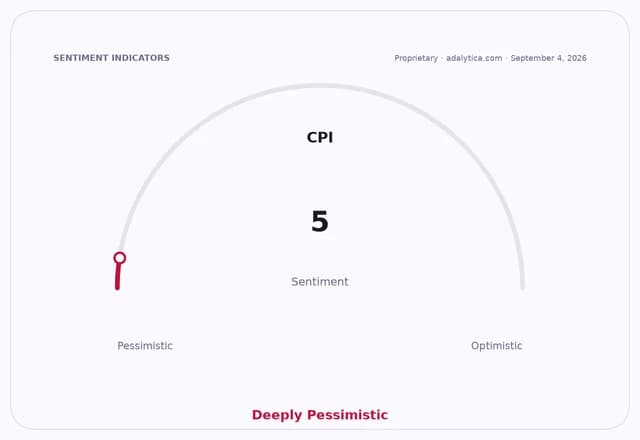
Sentiment IndicatorsⓘProprietary · adalytica.com · September 4, 2026
This is a snapshot — live sentiment, awareness and momentum for 130+ markets update continuously in the dashboard.Open AlphaPulse
The same pattern is visible in the United States. U.S. consumer prices are projected to rise 0.35% in August, while core inflation is also expected to edge higher, according to the data context. West Texas Intermediate crude has climbed back to about $91.75 a barrel in early September from $84.57 at the end of August, a move that has already helped lift fuel-sensitive assets such as the U.S. Oil Fund. The latest technical readings on USO show the fund trading above both its 50-day and 200-day moving averages, with RSI near 70, a sign of stretched momentum rather than easing price pressure.
The inflation risk is not just local. German officials and the Bundesbank have warned that the Iran conflict and the effective blockage of the Strait of Hormuz could keep energy markets tight for months. That matters because energy is one of the fastest channels through which geopolitics reaches households: when fuel stays expensive, transport, freight, food refrigeration and distribution costs tend to rise as well, widening the inflation impulse beyond the pump.
For investors, the immediate implication is that any durable energy spike makes it harder for policymakers to declare victory over inflation. Higher fuel prices can delay rate cuts, keep Treasury yields elevated and support energy equities at the expense of rate-sensitive sectors. That is already showing up in sector performance: the U.S. Energy Select Sector SPDR and oil-services shares have rallied, with the oil-services ETF OIH trading near recent highs after a sharp move up in early September.
There is a counterargument. If crude retraces quickly, the inflation impact could fade as fast as it arrived, especially in Europe where demand is softer and base effects can be favorable. But as long as geopolitical risk keeps Hormuz constrained and gasoline prices elevated, markets will have to price a less benign inflation path than they expected only a few weeks ago.
| Entity | Gains | Losses |
|---|---|---|
| Oil producers | ▲Higher realized prices | ▼Demand uncertainty |
| Energy equities | ▲Stronger earnings outlook | ▼Valuation risk if oil reverses |
| Consumers/households | ▲— | ▼Higher fuel and living costs |
| Central banks | ▲— | ▼Less room to cut rates |