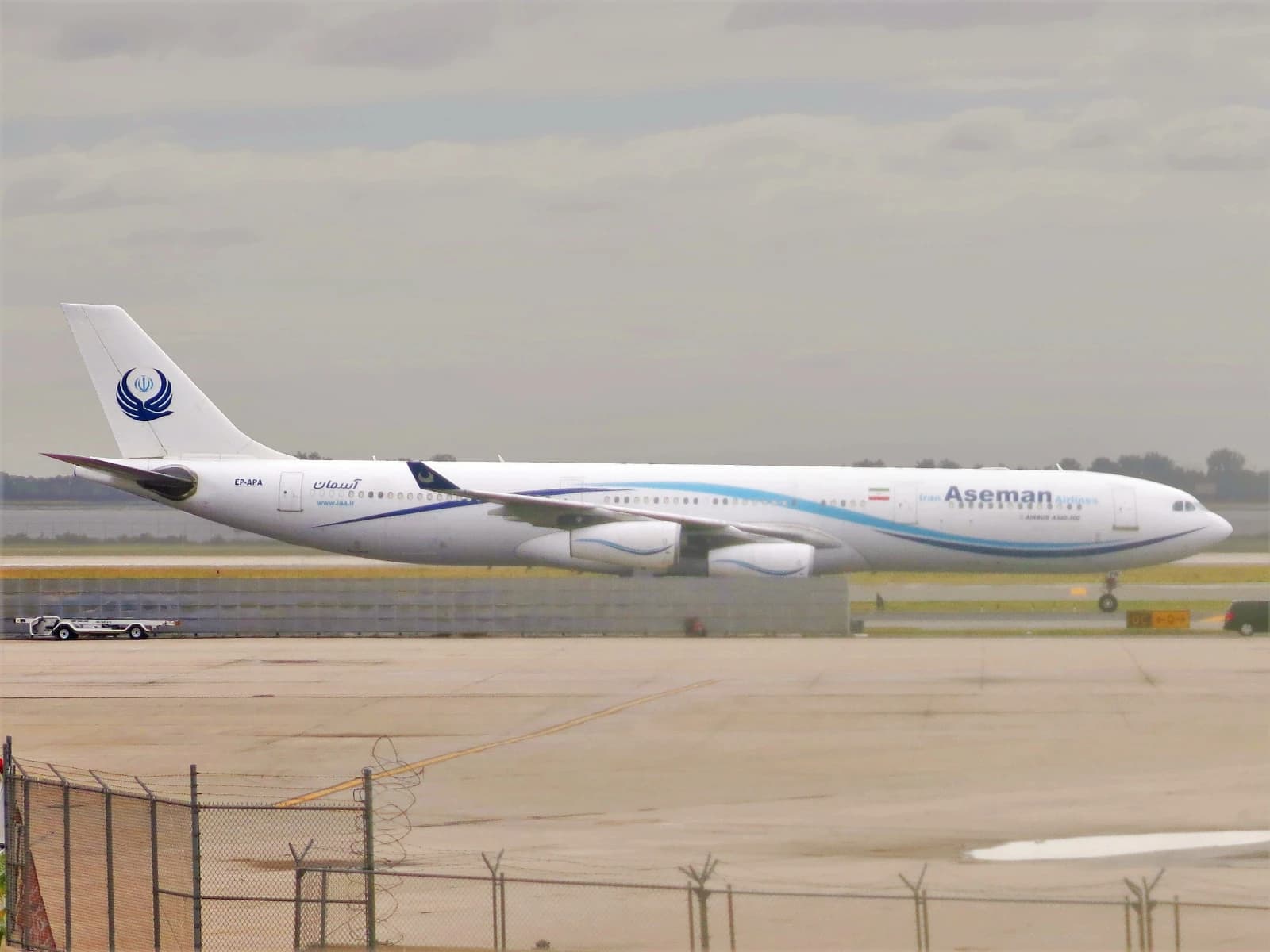
Dow Jones futures surged more than 300 points after crude oil slid on reports that an Iran-U.S. attack had been suspended, easing an immediate supply shock that had been threatening to lift energy costs, inflation expectations and bond yields.
Oil Retreat Lifts Dow Futures on Easing Geopolitical Risk
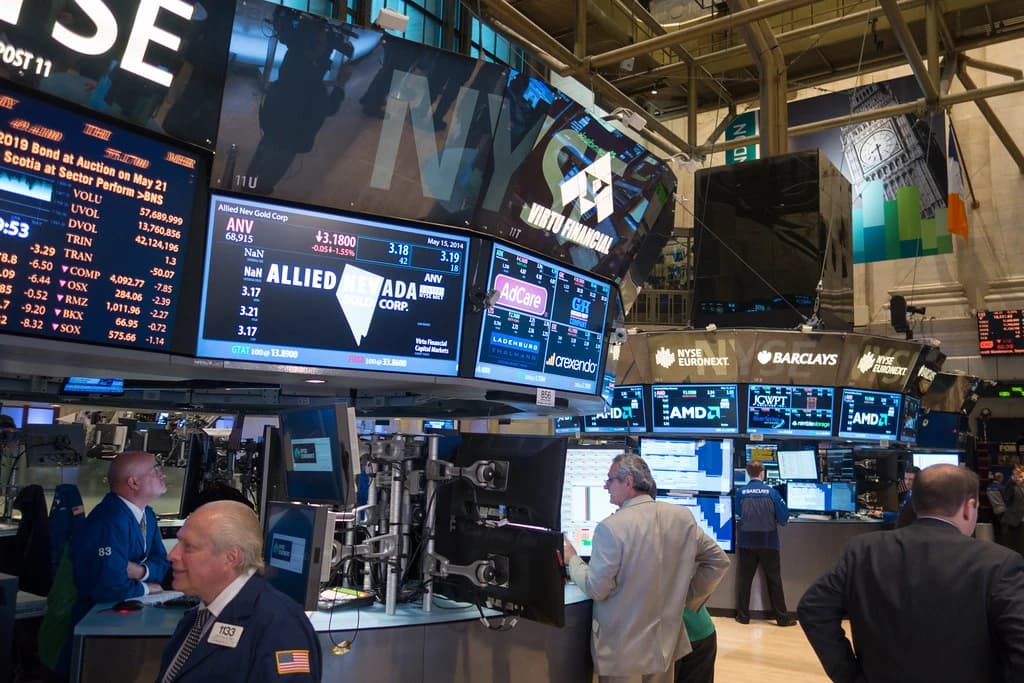
The move matters because oil is the quickest transmission channel from Middle East conflict to the broader U.S. economy. When crude spikes, gasoline prices, freight costs and industrial input prices tend to follow, squeezing consumers and forcing investors to reassess the path for the Federal Reserve. A pullback in oil after fresh geopolitical headlines therefore does more than help energy-sensitive stocks; it reduces the odds of a near-term inflation scare and gives risk assets room to recover.
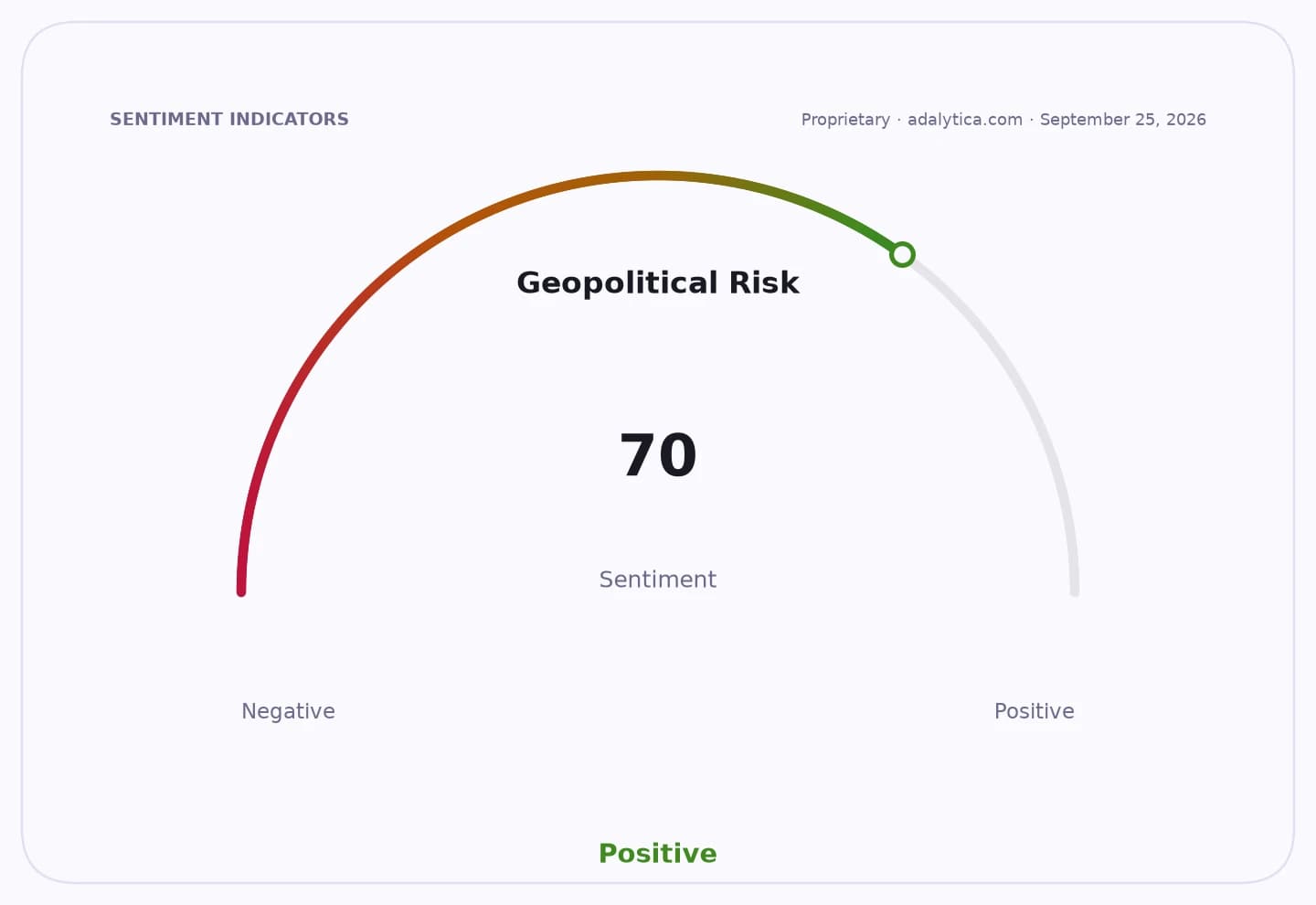
Sentiment IndicatorsⓘProprietary · adalytica.com · July 27, 2026
This is a snapshot — live sentiment, awareness and momentum for 130+ markets update continuously in the dashboard.Open AlphaPulse

U.S. benchmark crude futures were still elevated by historical standards, but the latest retreat signaled that traders were willing to price out at least some of the worst-case disruption risk around the Strait of Hormuz, one of the world’s most critical shipping lanes. The market reaction was swift across asset classes: Dow futures outperformed as investors rotated toward cyclical names and away from the defensive bid that typically accompanies energy shocks.
The bond market was also part of the story. The 10-year Treasury yield remained above 4.6%, reflecting a market still wrestling with growth and inflation, but the immediate fear that higher oil could push yields even further up eased as crude backed off. In that sense, the oil move was bullish for equities not because it improved growth fundamentals overnight, but because it lowered the probability of a policy mistake driven by another energy-led inflation surge.

Energy stocks were the obvious losers. The Energy Select Sector SPDR Fund had already been trading near the top of its range, helped by the earlier jump in crude, and a rapid reversal in oil would threaten the recent momentum in the sector. By contrast, rate-sensitive and consumer-facing shares stand to benefit if the geopolitical premium in oil continues to unwind, particularly companies exposed to transportation, discretionary spending and industrial margins.
The technical setup in crude had also become stretched before the latest reversal. West Texas Intermediate had rallied sharply in recent sessions, with conventional indicators showing overbought conditions as RSI readings climbed above 80, a level that often signals a market vulnerable to profit-taking. That makes the downside move easier to explain: when fear eases, some of the risk premium built into oil can evaporate quickly.
For investors, the key question is whether this is a genuine de-escalation or just a pause in a fragile standoff. If tensions reintensify, oil could quickly retrace higher and bring back the same mix of inflation anxiety, higher yields and equity pressure. If the suspension holds, the market may continue to unwind the geopolitical premium, supporting a rebound in broad U.S. equities and a stabilization in Treasury and currency markets.
Adalytica’s S&P 500 trade signals currently show extreme fear, underscoring how quickly geopolitical headlines have turned sentiment fragile. That leaves the market highly reactive to any further news from Iran, the U.S. and the Gulf. For now, traders are taking the oil decline as a sign that the immediate tail risk has faded, and that is enough to lift Dow futures sharply.
| Entity | Gains | Losses |
|---|---|---|
| Dow futures / U.S. equities | ▲Lower inflation fear | ▼Geopolitical risk premium |
| Consumers / airlines / transport | ▲Cheaper fuel outlook | ▼Higher input costs fade |
| Energy stocks | ▲Earlier oil spike | ▼Crude reversal pressure |
| Treasury bonds | ▲Less yield-up pressure | ▼Less safe-haven demand |