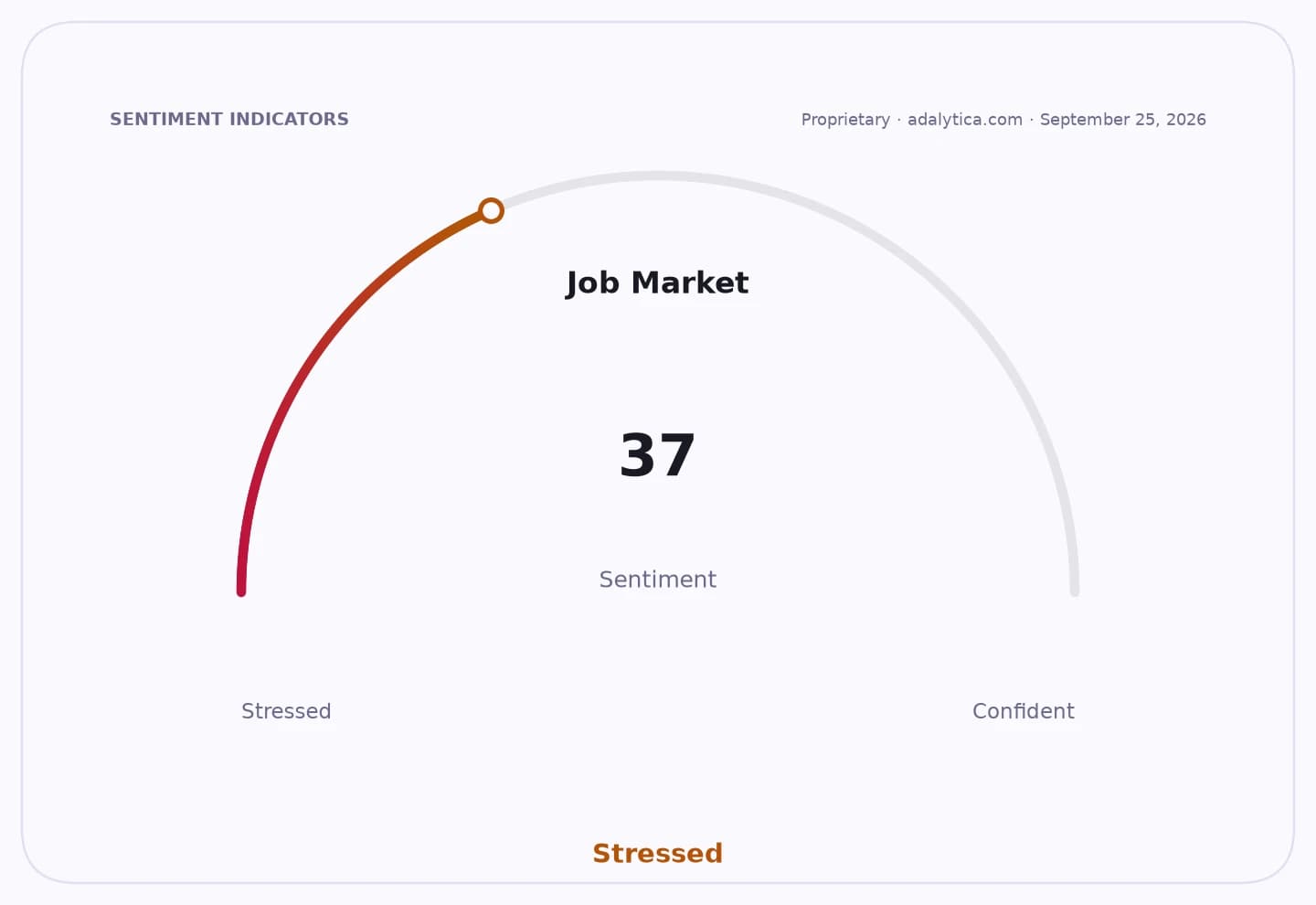
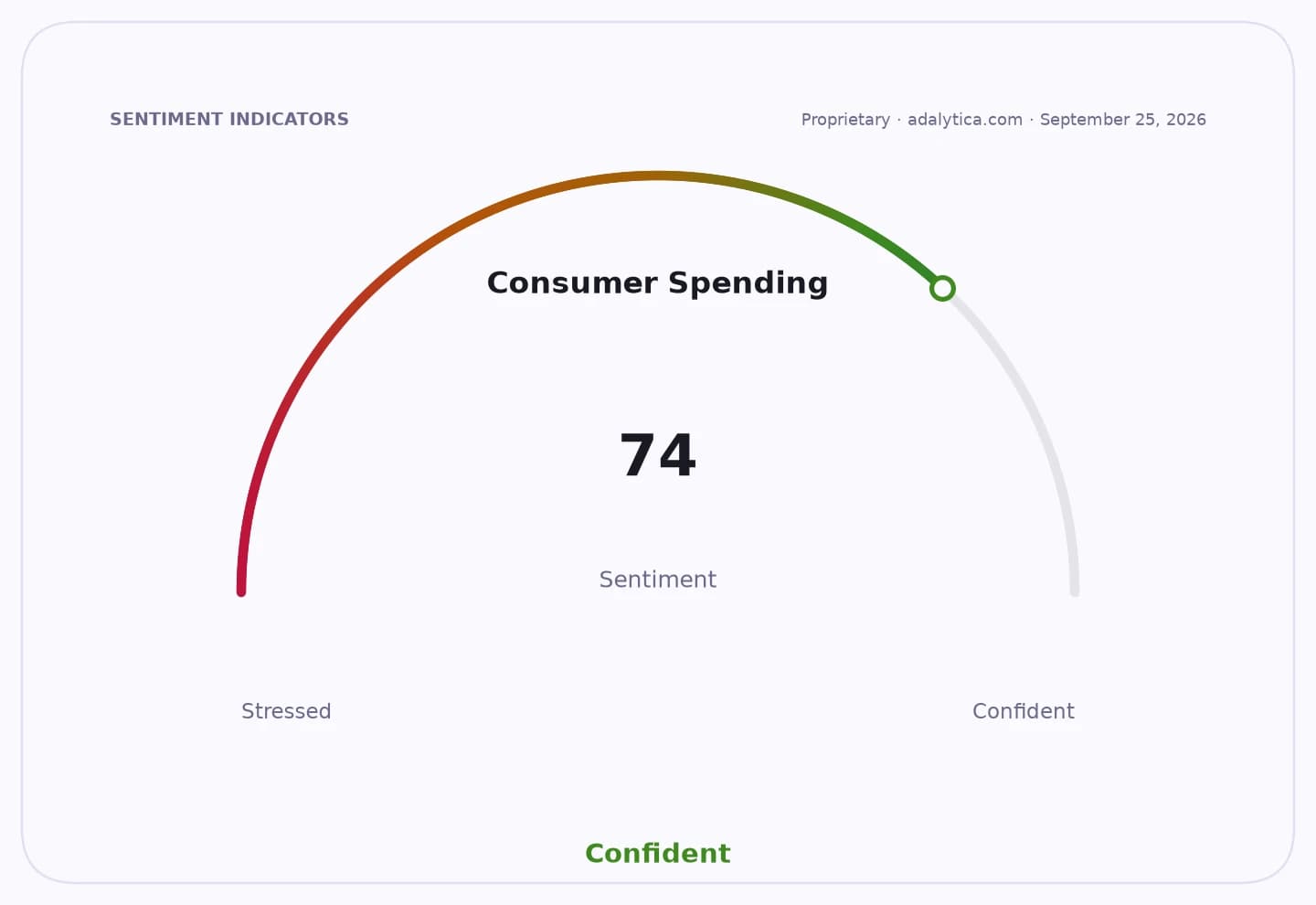
The South African rand is under pressure because the latest U.S. strikes on Iran have revived the oil-risk premium, pushed investors toward safer assets and kept emerging-market currencies vulnerable to any further escalation in the Middle East.
Oil Shock Pressures South African Rand
That matters for South Africa because the country is a net oil importer and highly sensitive to swings in crude prices, U.S. Treasury yields and global risk appetite. A sustained move higher in energy costs would feed into import bills, transport inflation and the current account, while also complicating the South African Reserve Bank’s room to ease policy if domestic price pressures re-accelerate.
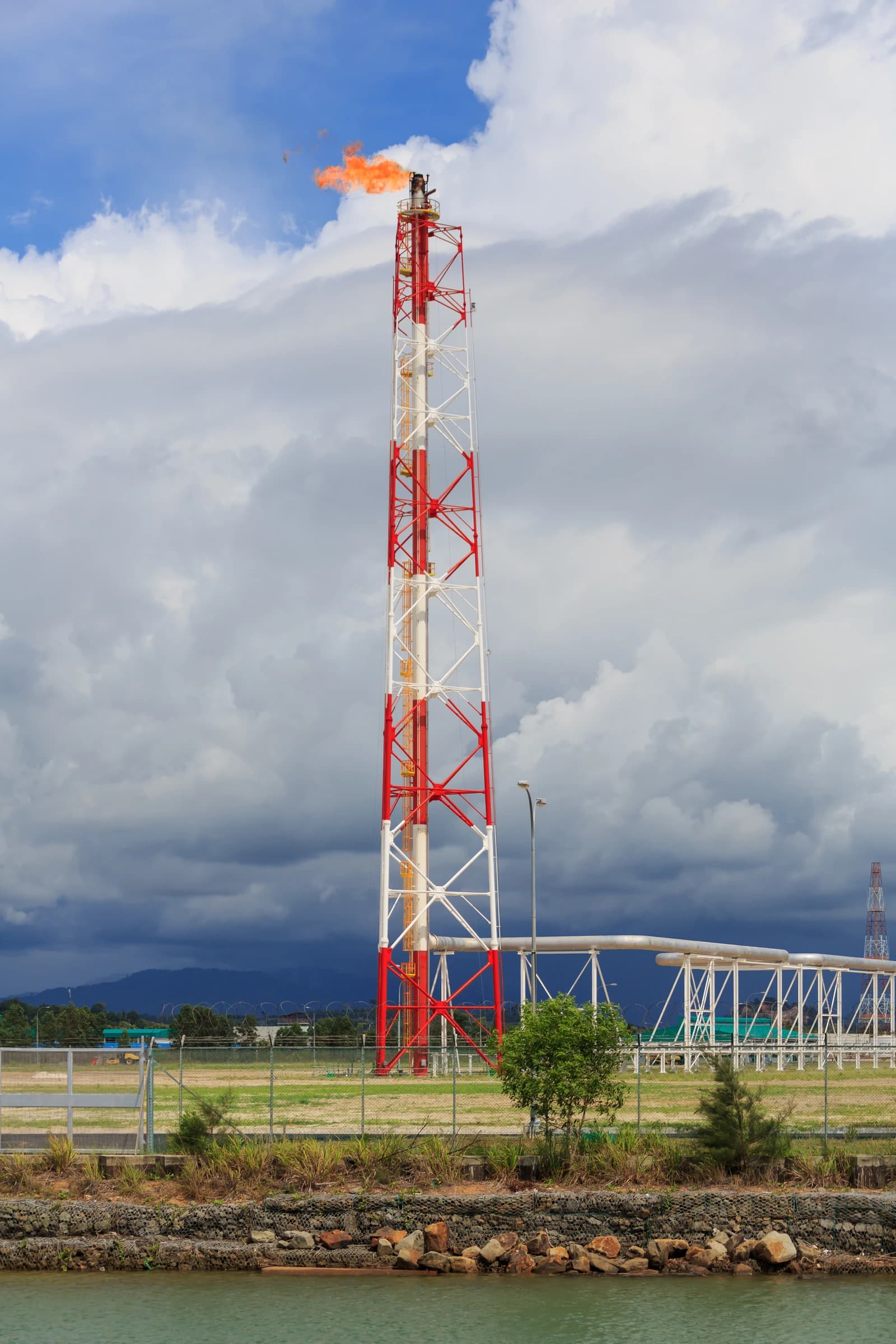
Brent and U.S. crude have already been jolted by the conflict backdrop, with oil trading near the upper end of the year’s range. In the data provided, U.S. crude futures proxy USO jumped sharply in recent months and remains elevated even after a pullback, with the fund at 121.38 on July 15 after touching 152.96 in May. Its 50-day moving average sits at 126.82, while the RSI reading of 70.2 points to a technically stretched market, even after the recent rebound from June lows. That combination suggests the energy market is still pricing geopolitical risk rather than a clean return to pre-conflict conditions.
The ripple effects are showing up in developed-market rates as well. The U.S. 10-year Treasury yield was 4.58% on July 14, while the two-year yield was 4.18%, leaving the curve only modestly inverted. That keeps the dollar supported because investors can still earn relatively attractive risk-free returns in U.S. assets. For rand holders, that is a negative backdrop: when U.S. yields stay firm and oil rises together, capital often migrates away from higher-beta currencies such as the rand.
The euro has been steadier. FXE, the euro proxy, was at 105.81 on July 15, close to its recent range but below its 50-day average of 106.54 and 200-day average of 107.14. That suggests the broader currency market is not in full panic mode, but it does show that investors have not fully embraced a risk-on turn either. For the rand, the key issue is not just whether the dollar strengthens, but whether geopolitical risk spills into a wider repricing of emerging-market assets.
The economic channel is straightforward. Higher crude prices lift South Africa’s fuel import bill, raise logistics costs for companies and can keep inflation expectations sticky. That can hit household spending power and margins for fuel-intensive sectors, while also weighing on government finances if the economy slows. South Africa’s markets tend to trade as a leveraged play on global growth and commodity risk, meaning geopolitical shocks often hit the currency faster than they filter through to equities.
Bullish investors on the rand would argue that the move is still largely a headline-driven risk premium and could unwind quickly if tensions ease. South Africa’s high carry relative to developed markets can also attract buyers when risk sentiment stabilizes. But the bear case is that any widening of the Middle East conflict could keep oil elevated for longer, forcing markets to price in more imported inflation and delaying relief from high global rates.
For investors, the near-term watchpoints are simple: whether crude holds above recent support, whether U.S. yields stay anchored near current levels and whether further military action prompts another round of defensive positioning in emerging markets. Until there is clearer de-escalation, the rand is likely to remain on the back foot.
| Entity | Gains | Losses |
|---|---|---|
| Oil producers | ▲Higher realized prices | ▼Demand destruction risk |
| South African importers | ▲None | ▼Higher fuel costs |
| U.S. dollar assets | ▲Safe-haven inflows | ▼None |
| Rand bulls | ▲Short-term volatility trades | ▼Weaker currency risk |