The zloty has stopped weakening, but only after a fresh oil shock and a jump in global risk aversion pushed Poland’s currency to a level that now looks technically and fundamentally fragile. The euro’s move above PLN 4.32 is more than a trading headline: it raises import costs, threatens to keep inflation stickier for longer and complicates the task for the National Bank of Poland if geopolitical stress feeds into domestic prices.
Oil Shock Pressures Zloty Above 4.32
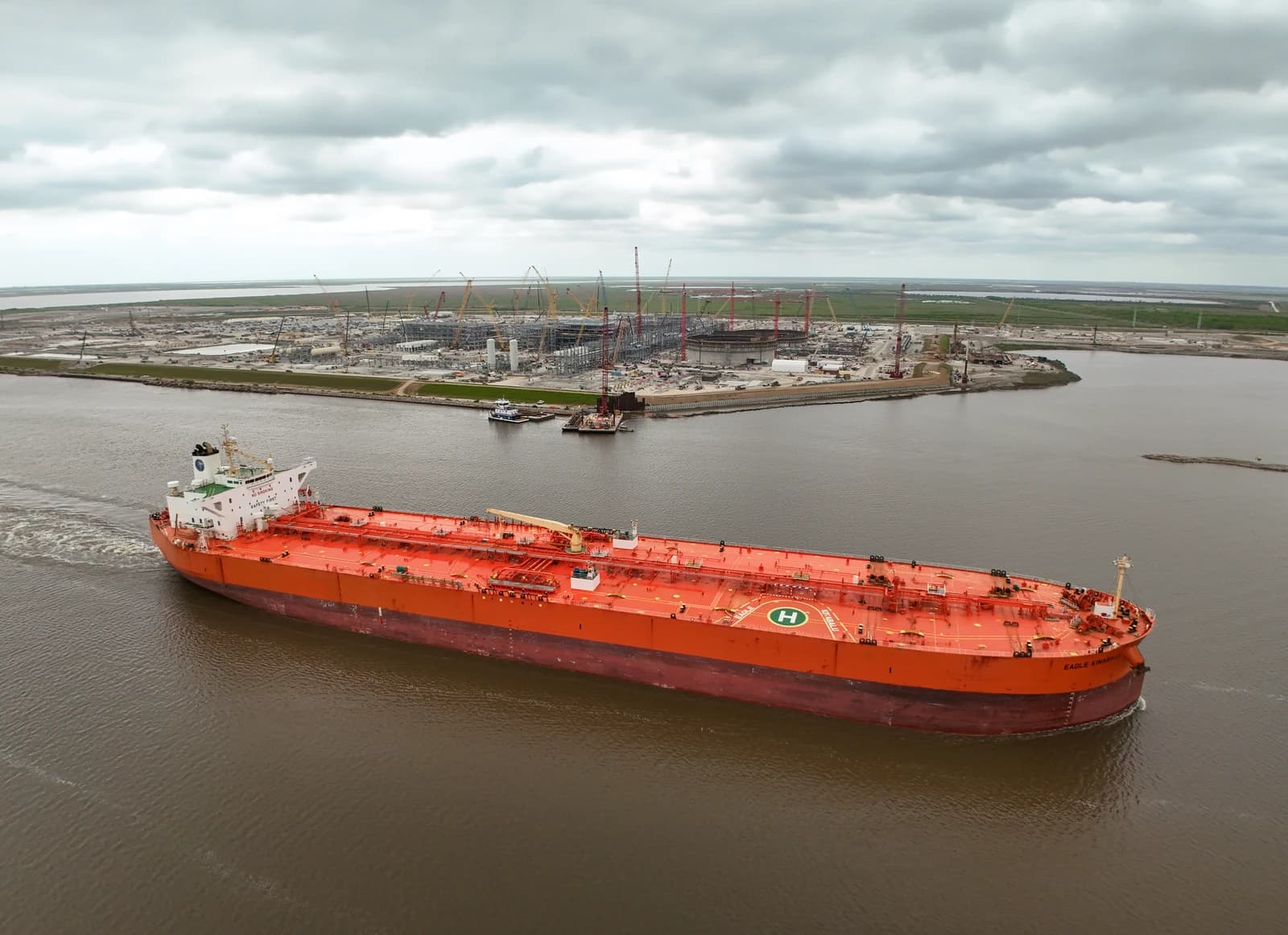
The immediate catalyst is the surge in crude prices above $85 a barrel as the US escalates military action against Iran and moves to curb Iranian oil exports. That matters for Poland because higher energy prices widen the country’s import bill and tend to weaken emerging-market currencies when investors shift into safer assets. Poland is not alone, but the zloty is exposed at precisely the wrong moment: the euro has settled around 4.32-4.33, and the dollar has also strengthened, with the exchange rate to the zloty moving up to around 3.77 after briefly reaching 3.80.
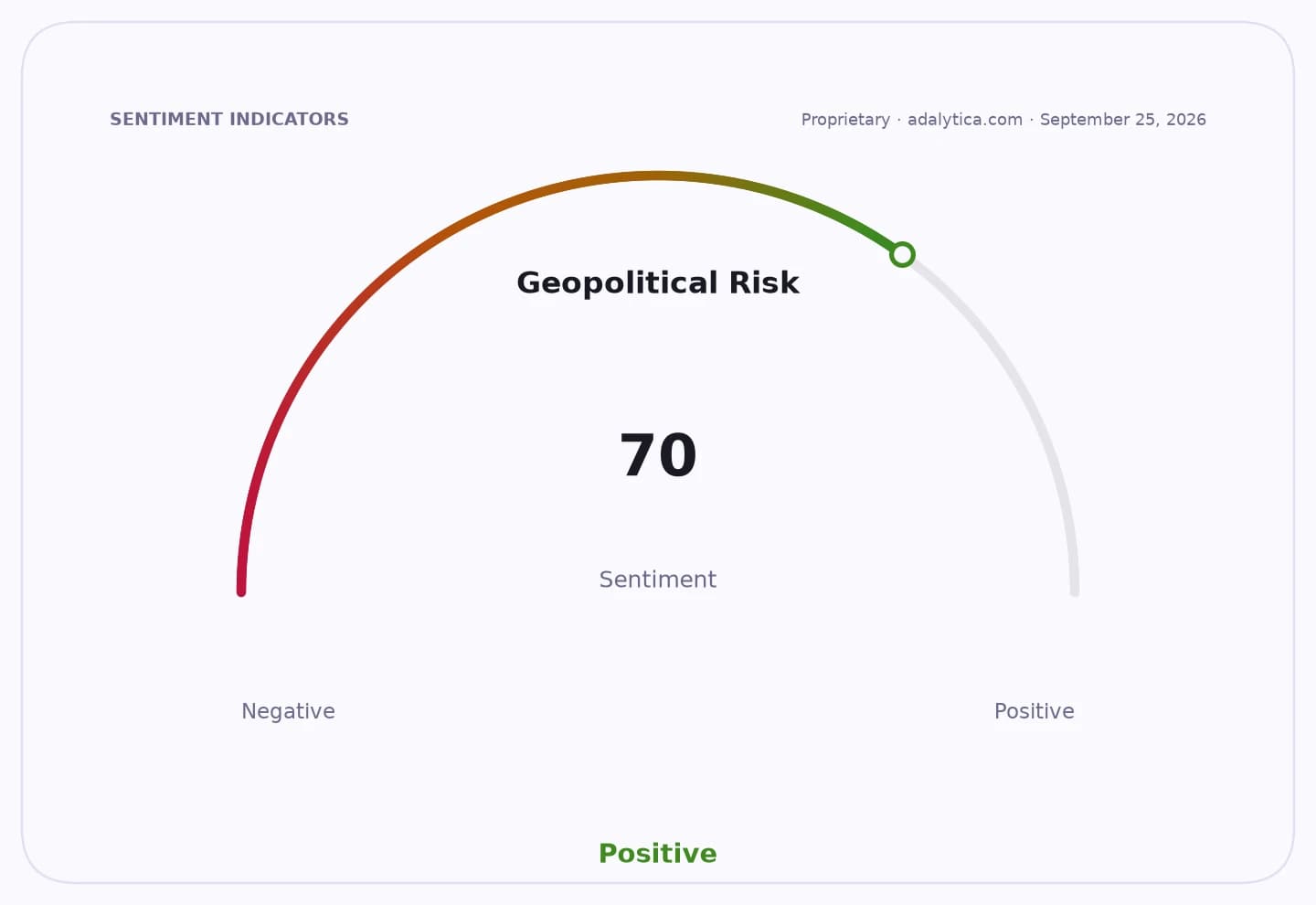
Sentiment IndicatorsⓘProprietary · adalytica.com · July 16, 2026
This is a snapshot — live sentiment, awareness and momentum for 130+ markets update continuously in the dashboard.Open AlphaPulse
For investors, the significance is less about the day-to-day currency move than the potential for a broader repricing of Polish assets if the oil rally persists. The zloty had already been under pressure, but the latest move suggests the market is re-establishing a higher trading range. The euro-zloty pair is now above its 50-day and 200-day moving averages, while the RSI readings point to a stretched but still firm trend rather than a temporary spike. That makes it harder to argue that PLN 4.32 is just noise.
The macro channel is straightforward. Poland is a large net energy importer, so sustained gains in crude feed directly into transport, power and industrial input costs. That can squeeze corporate margins and eventually show up in consumer prices. If the oil shock lasts, it would also support the case for higher-for-longer global inflation and reduce the scope for central banks to ease aggressively. For Poland, that means the NBP may face a more awkward trade-off between growth and price stability if imported inflation returns through the energy channel.
The market backdrop is also consistent with the tension now building across asset classes. US crude proxy USO has rebounded sharply to about 121 after falling to 106 only days ago, while 10-year US Treasury yields have climbed back toward 4.6 per cent, showing that investors are demanding more compensation for risk. Adalytica’s currency signals show the dollar in “Fear” territory and the euro in “Extreme Fear,” a combination that typically accompanies defensive positioning and thinner appetite for carry trades.
There are two ways this can go from here. The bullish case for the zloty is that the oil spike proves temporary, geopolitical risk eases and Poland benefits from a relatively solid domestic macro backdrop and still-broad EU funding support. The bearish case is that the Middle East conflict keeps energy prices elevated, the dollar stays bid and the euro-zloty rate remains pinned above 4.32, forcing local importers, retailers and fuel-intensive industries to absorb another layer of cost pressure.
For now, the market is telling investors that geopolitical risk is once again being priced through the oil channel and into Polish FX. If crude stays elevated, PLN weakness may be less a one-off move than the start of a more durable re-rating of the currency and of inflation expectations.
| Entity | Gains | Losses |
|---|---|---|
| Oil producers | ▲Higher crude prices | ▼— |
| Polish importers | ▲— | ▼Higher input costs |
| Exporters in Poland | ▲Weaker zloty support | ▼Higher imported inflation |
| Zloty bulls | ▲— | ▼Break above 4.32 on EUR/PLN |