Thailand’s central bank is signalling that the economy can still expand 2.3% in 2026, but the bigger market story is whether a new surge in oil prices from renewed war risk turns that “not good but not bad” outlook into a harder inflation-and-bad-debt problem.
Oil Shock Threatens Thailand Growth and Debt Outlook

That matters because Thailand is a net energy importer, so higher crude prices quickly filter through to transport costs, electricity bills and corporate margins before they show up in headline inflation. If the oil move proves durable, it could also tighten financial conditions just as policymakers are trying to keep growth on track, leaving less room to support households and small businesses already carrying debt burdens.
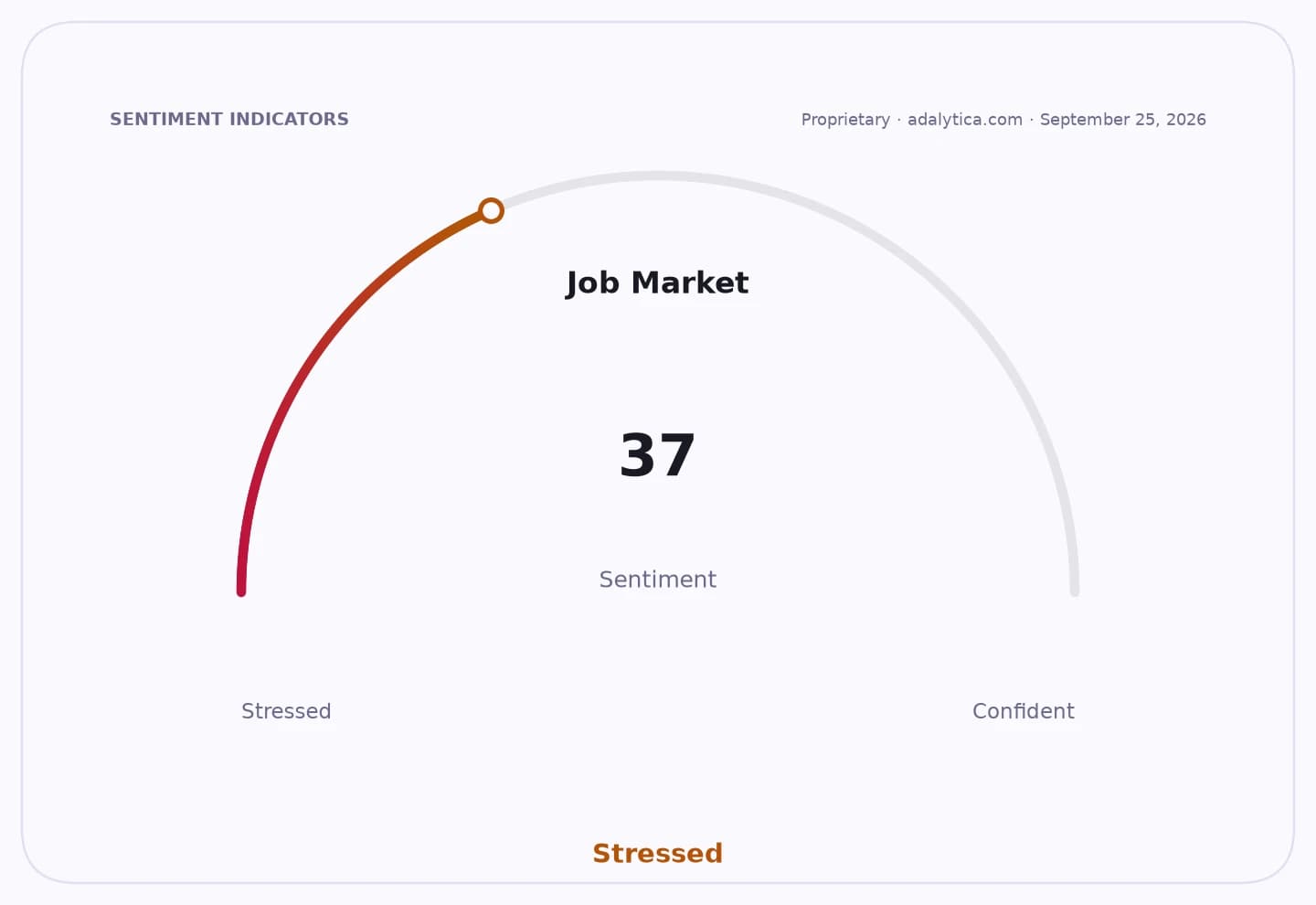
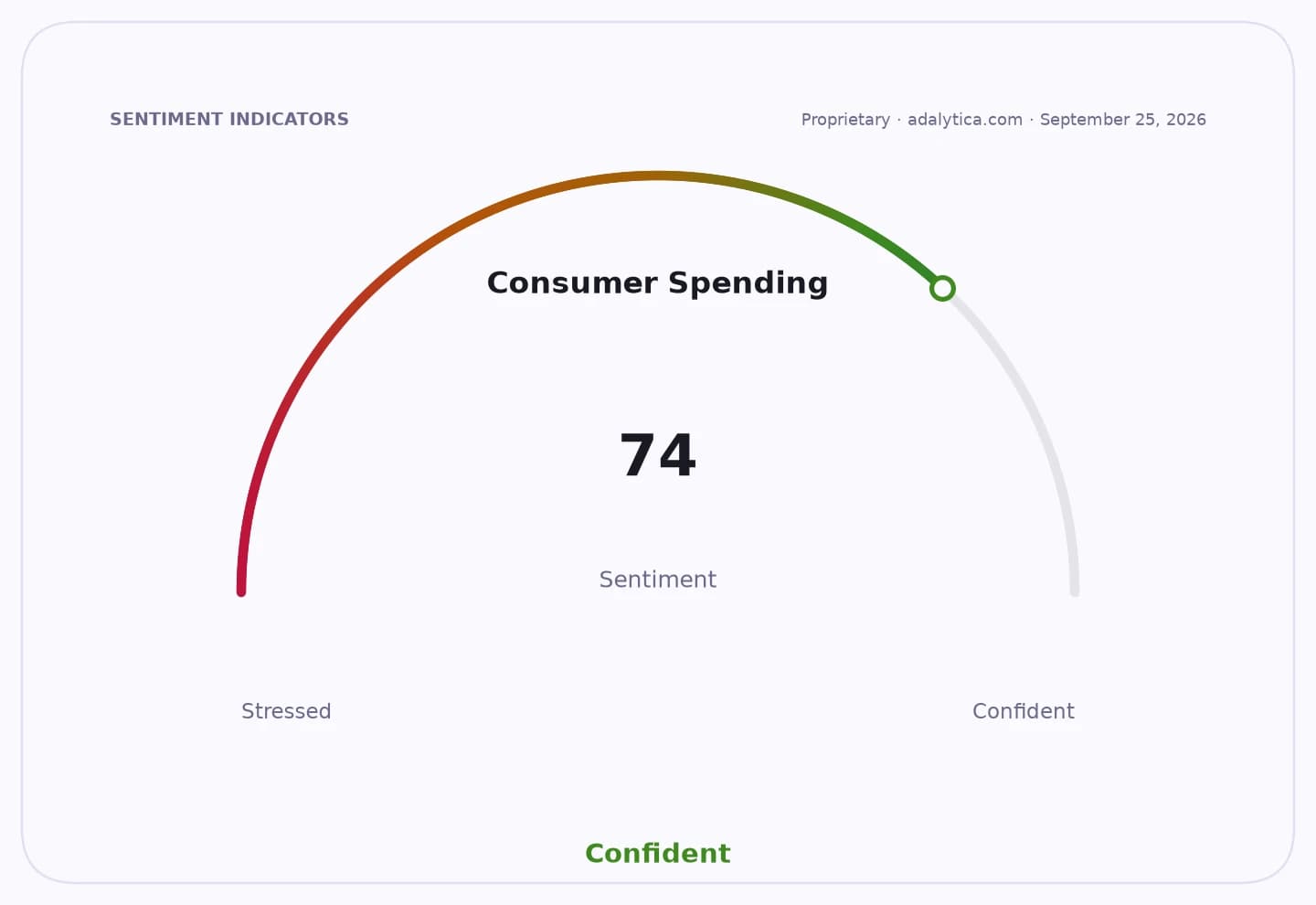
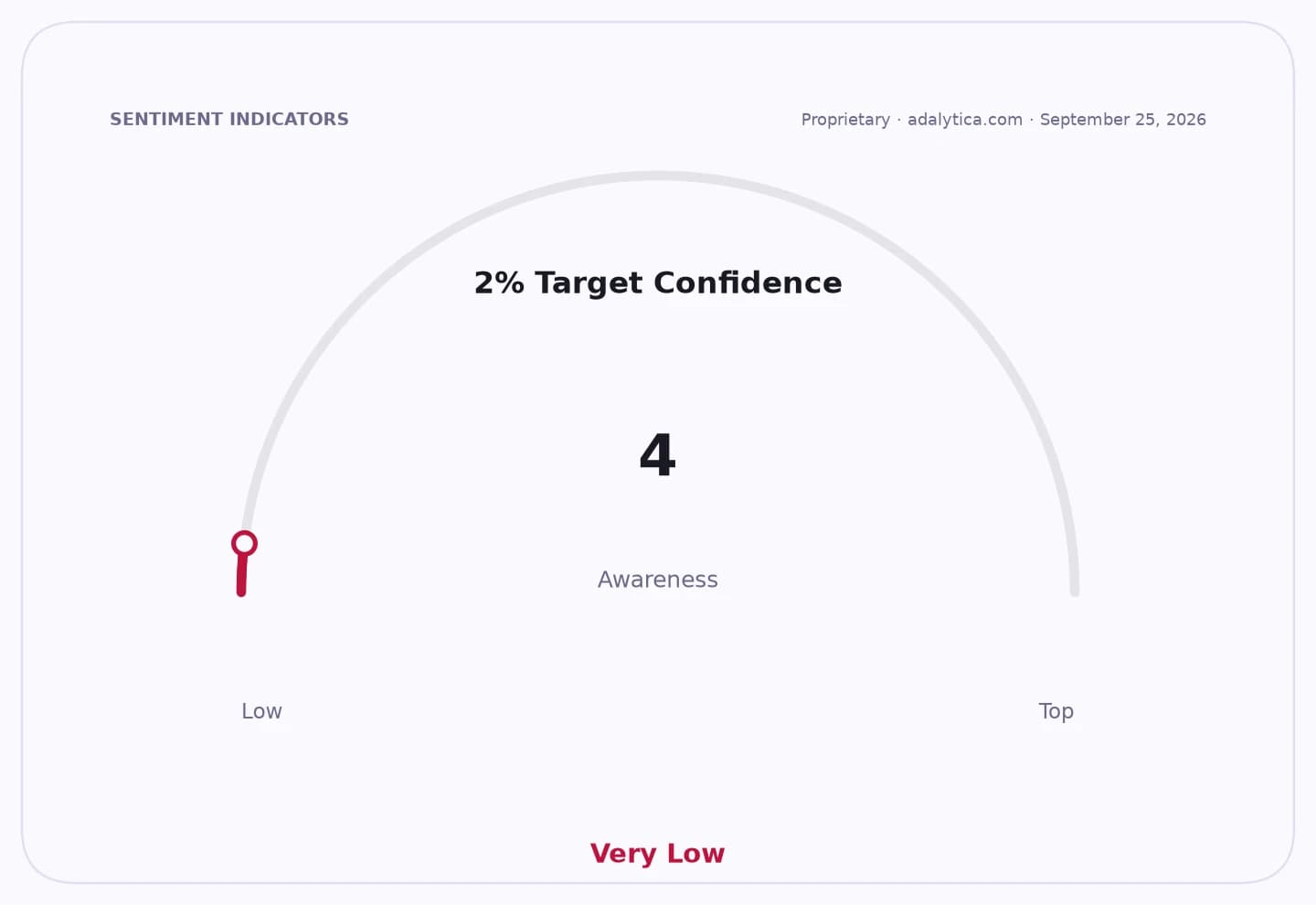
Sentiment IndicatorsⓘProprietary · adalytica.com · July 15, 2026
This is a snapshot — live sentiment, awareness and momentum for 130+ markets update continuously in the dashboard.Open AlphaPulse
The latest oil move is not just a chart story. West Texas Intermediate has rebounded to about $120 a barrel in the data set after falling to roughly $106 late last month, and Brent-linked expectations are also firmer. Even after the pullback from May’s spike above $150 in the USO proxy, the market is still pricing a supply-risk premium tied to conflict in the Middle East. That keeps energy-importing Asian economies, including Thailand, vulnerable to an import-cost shock.
For Thailand, that risk lands in an economy that is growing, but only modestly. A 2.3% expansion rate is enough to avoid recession, yet it is weak enough that any fresh inflation impulse can bite harder by eroding real incomes and curbing domestic demand. The central bank’s concern about bad debt is therefore crucial: if higher fuel and food costs squeeze borrowers, delinquency trends in consumer and SME credit can worsen even before the broader growth numbers look alarming.
DCOILWTICO vs DGS10 — macro contextadalytica.com
Explore this data interactively — full history, time series and cross-market comparisons.Open AlphaPulse
Markets are already treating oil as the more immediate macro driver. The oil ETF USO remains well above its 200-day moving average, while the RSI and MACD readings suggest the recent move has eased from overbought extremes but is still trending in a firm uptrend. Energy shares have been the clear beneficiary: the OIH oil-services ETF is trading far above its 200-day average, reflecting expectations that producers will keep spending if crude stays elevated. By contrast, Thailand’s domestically focused sectors would be the first to absorb the hit from cost inflation and weaker purchasing power.
There is a broader policy trade-off here. If the central bank leans against imported inflation with tighter policy, it risks adding stress to credit quality. If it looks through the oil shock, inflation expectations can become less anchored and the baht may come under pressure if the current-account outlook worsens. That is the narrow corridor Thai policymakers now face: preserve growth without letting a supply shock turn into a balance-sheet problem.
For investors, the key catalyst is not whether oil briefly spikes again, but whether the geopolitical premium becomes persistent enough to alter Thailand’s inflation path and loan-loss outlook. If it does, the market will likely favor exporters and energy producers elsewhere while remaining cautious on Thai banks, consumer lenders and rate-sensitive domestic plays.
| Entity | Gains | Losses |
|---|---|---|
| Oil producers/service firms | ▲Higher revenues | ▼None from the shock |
| Thai consumers | ▲None | ▼Fuel and living costs |
| Thai banks/credit lenders | ▲Wider nominal lending growth if benign | ▼Rising bad debt risk |
| Energy-importing economies | ▲Less fiscal stress if prices ease | ▼Inflation and growth pressure |