Crude oil’s jump back into the mid-$90s and the strain in gas markets are exposing how vulnerable Europe remains to energy shocks, with Italy once again looking like an emblem of the continent’s scramble to secure supply after years of underinvestment, fragmented procurement and overreliance on unstable routes.
Oil Spike Reopens Europe's Energy Vulnerability
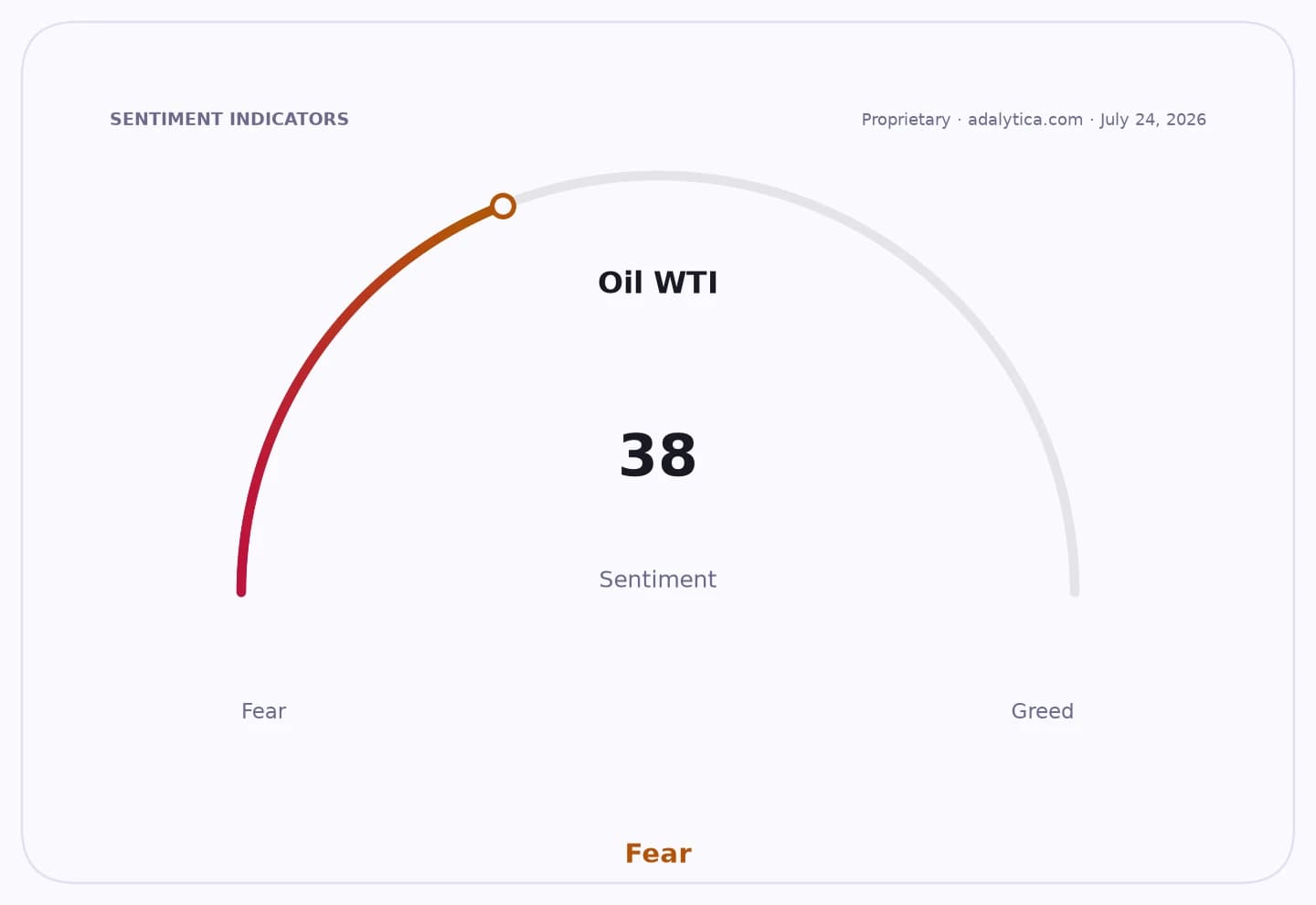
The move matters because energy is where geopolitics turns into inflation, margins and policy error. Brent’s surge above $100 a barrel in the broader market context, driven by renewed Middle East tensions and risks to shipping lanes, has revived the same transmission channel that repeatedly punished Europe: higher import costs, pricier power and renewed pressure on households, industry and central banks.
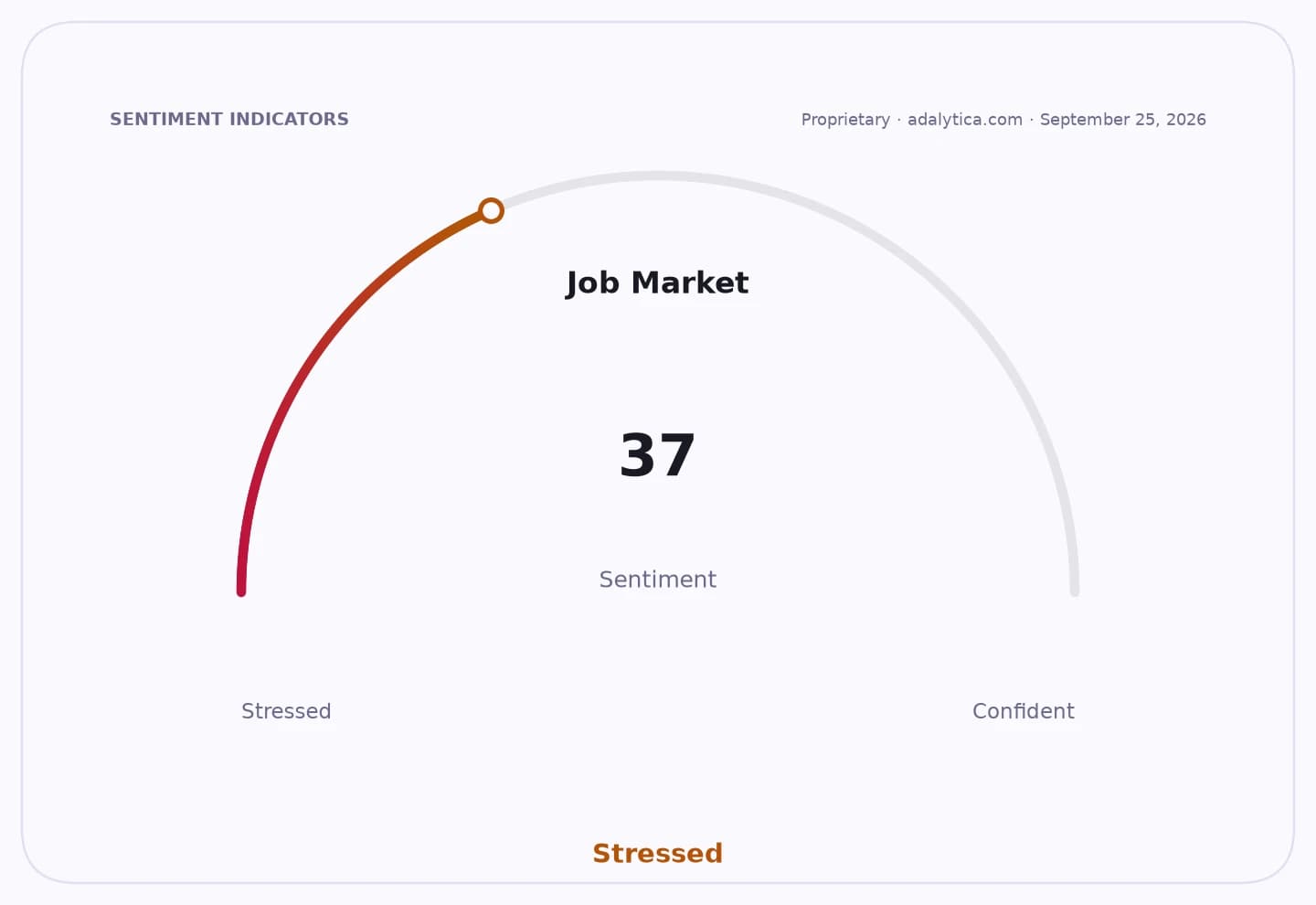
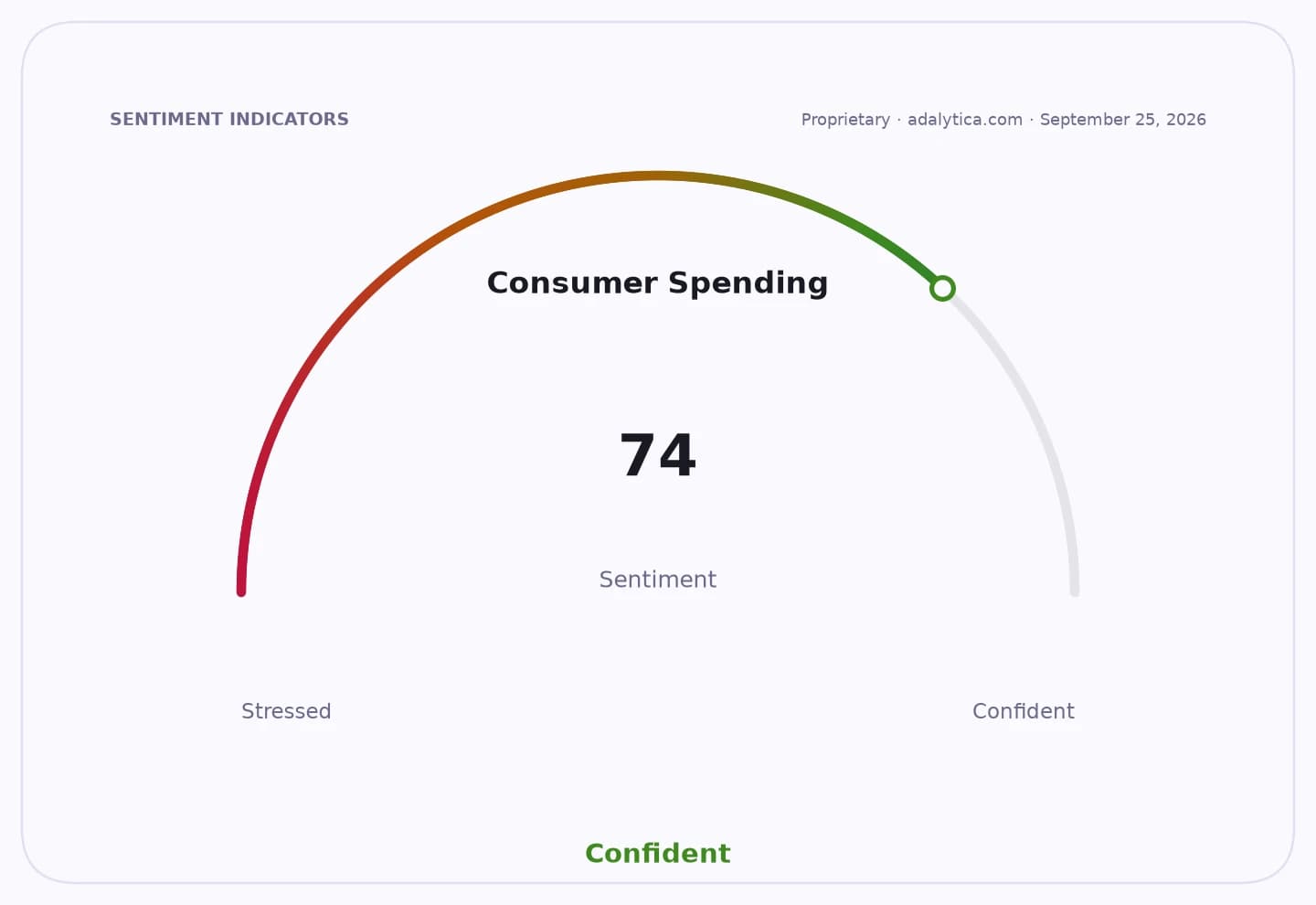
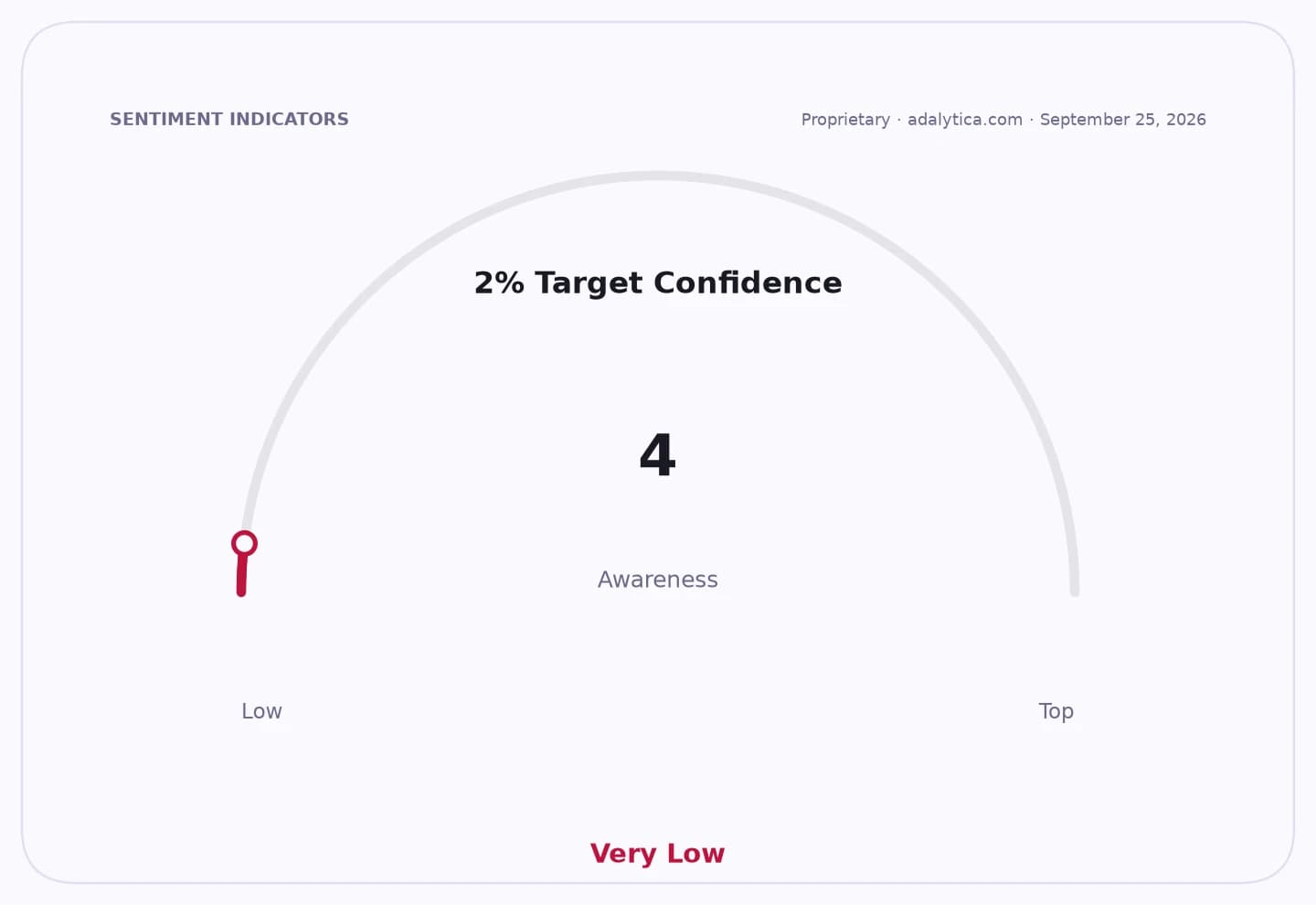
Sentiment IndicatorsⓘProprietary · adalytica.com · July 24, 2026
This is a snapshot — live sentiment, awareness and momentum for 130+ markets update continuously in the dashboard.Open AlphaPulse
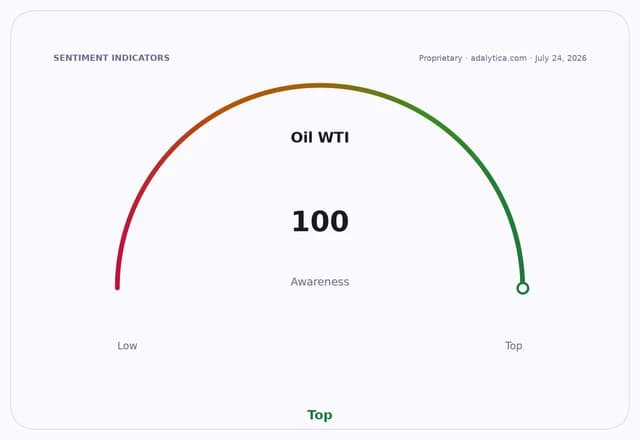
US benchmark WTI is trading around $90.71 a barrel, up sharply from roughly $80 just a week earlier and close to the top end of its recent range. The latest move leaves the contract well above its 50-day moving average of $84.43, with a relative strength index of 86.2, a reading that points to a strongly overbought market but also underscores the force of the rally. The broader energy complex has moved with it: the XLE energy ETF has climbed to $59.38, above its 50-day and 200-day moving averages, while its RSI near 85 suggests momentum remains extended even after a powerful run.
For Europe, the economics are harsher than the price chart alone suggests. The continent is still a net importer of oil and gas, so every jump in crude tends to widen the trade bill and feed through to transport, chemicals and utilities. Gas is even more sensitive. US natural gas futures are back near $2.90 per MMBtu, but that move says less about Europe’s easing than about the contrast between regional markets: European buyers still face the legacy of a structurally tighter system, one that has been forced to lean on Azerbaijan, the US and other alternative suppliers while trying to reduce exposure to Russia and other politically risky routes.
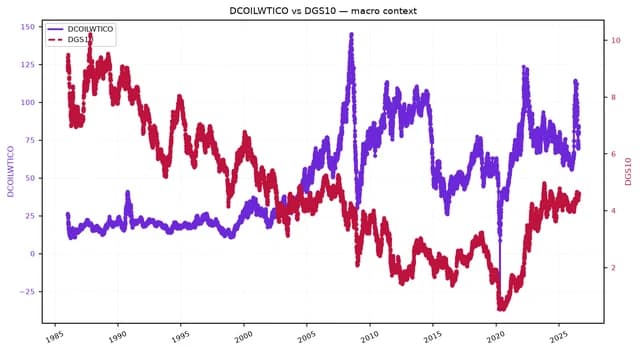
That is where the “mistakes on supplies” narrative becomes economically important. Europe responded to past shocks with emergency diversification, storage buildouts and buying shifts, but the underlying problem was never solved: the bloc is still managing supply as a crisis response rather than as an integrated market strategy. Italy, with its heavy reliance on imports and sensitivity to pipeline and LNG pricing, remains especially exposed when global prices spike. That means more volatile utility bills, more pressure on industrial competitiveness and fewer policy options if the shock lasts.
The investor angle is clearer. A sustained energy spike supports upstream producers, integrated oil majors and US shale names that can monetize higher realizations, while it hurts European manufacturers, airlines, refiners with squeezed margins and consumer sectors already contending with weak demand. The move also complicates the macro backdrop for rates: if energy keeps inflation sticky, central banks may be slower to cut, even as growth risks rise.
Technical signals reinforce that the market is trading on fear as much as fundamentals. WTI’s RSI above 86 and its position above the 50-day moving average suggest the rally is stretched, but not necessarily finished, especially with Adalytica’s USO trade-signal awareness at an “extreme greed” reading even as sentiment itself has slipped to neutral. That combination often marks a market that is vulnerable to sharp retracement, yet still supported by headline risk and positioning.
For now, the message for Europe is uncomfortable: the continent’s energy security remains hostage to events far beyond its control, and every new surge in crude or gas exposes the cost of incomplete diversification. If shipping risks in the Middle East persist, or if supply interruptions spread further through LNG and tanker routes, the next pressure point will not just be prices. It will be Europe’s ability to keep industry competitive without importing another inflation shock.
| Entity | Gains | Losses |
|---|---|---|
| Oil producers | ▲Higher realizations | ▼Demand destruction risk |
| European importers | ▲Temporary hedging gains | ▼Higher import costs |
| Italy and other exposed buyers | ▲More urgency to diversify | ▼Weaker energy security |
| Consumers and industry | ▲None | ▼Higher fuel and power bills |