Asian equities are under pressure as surging crude prices push global inflation concerns back to the front of the market, with investors dumping risk assets on fears that central banks may have to keep policy tighter for longer.
Oil spike pressures Asian equities and rate-sensitive assets

The move follows a fresh oil rally that has lifted U.S. crude above $100 a barrel, a level that tends to ripple quickly through transport, manufacturing and consumer costs across Asia’s import-heavy economies. Brent’s jump has also revived concern that the recent disinflation trend is vulnerable if energy prices stay elevated, complicating the outlook for the Federal Reserve, the European Central Bank and regional policymakers.
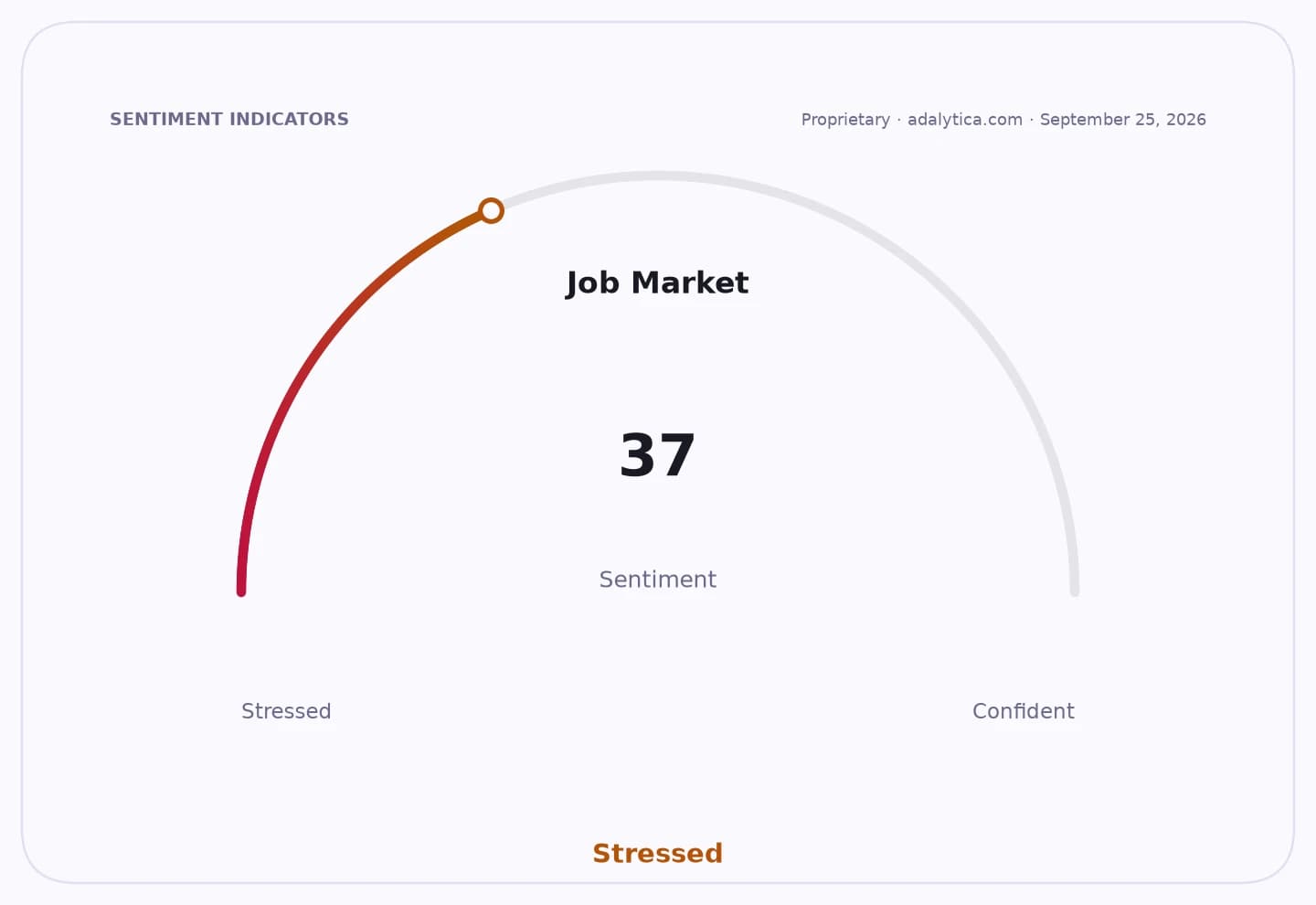
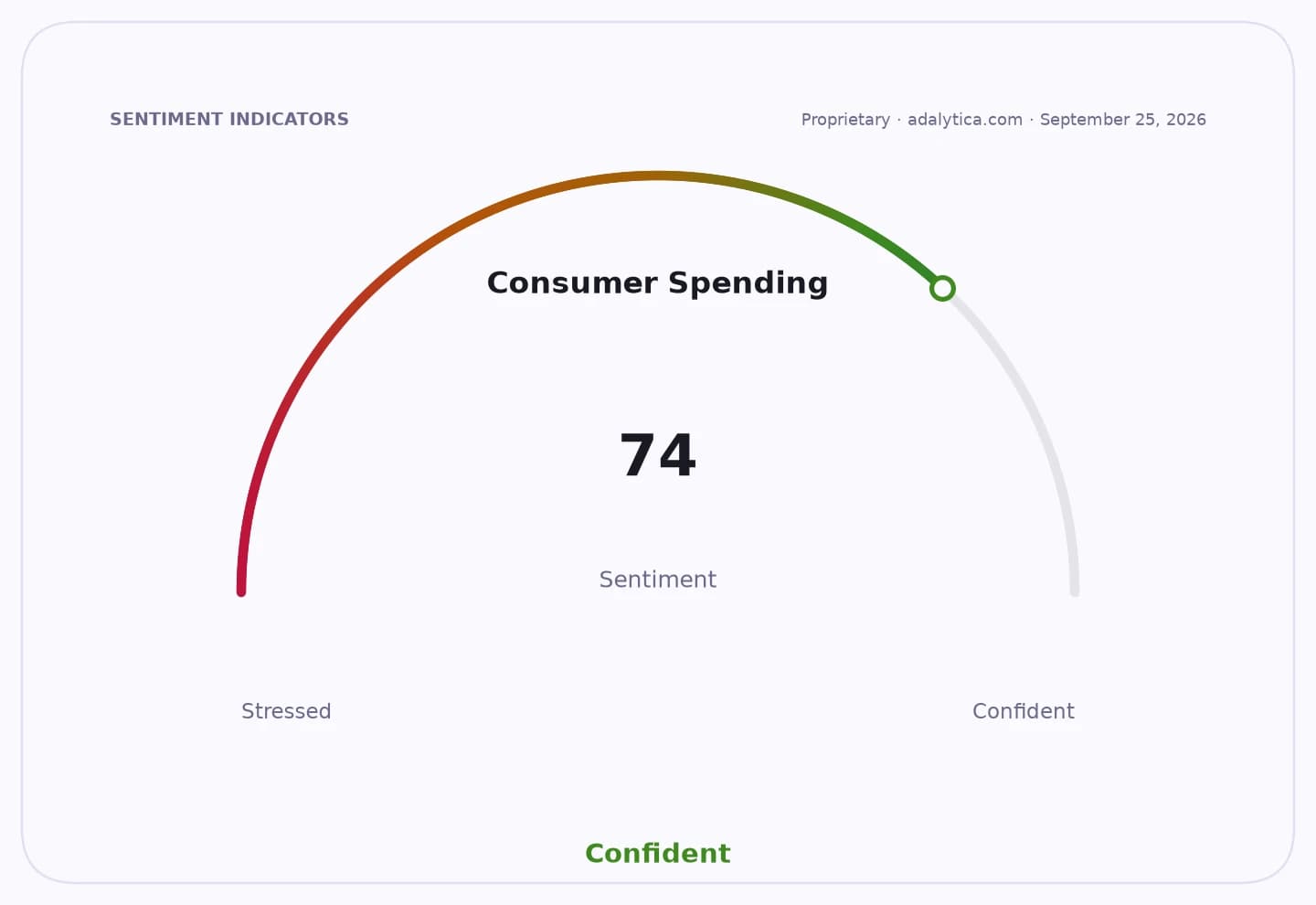
Sentiment IndicatorsⓘProprietary · adalytica.com · July 24, 2026
This is a snapshot — live sentiment, awareness and momentum for 130+ markets update continuously in the dashboard.Open AlphaPulse

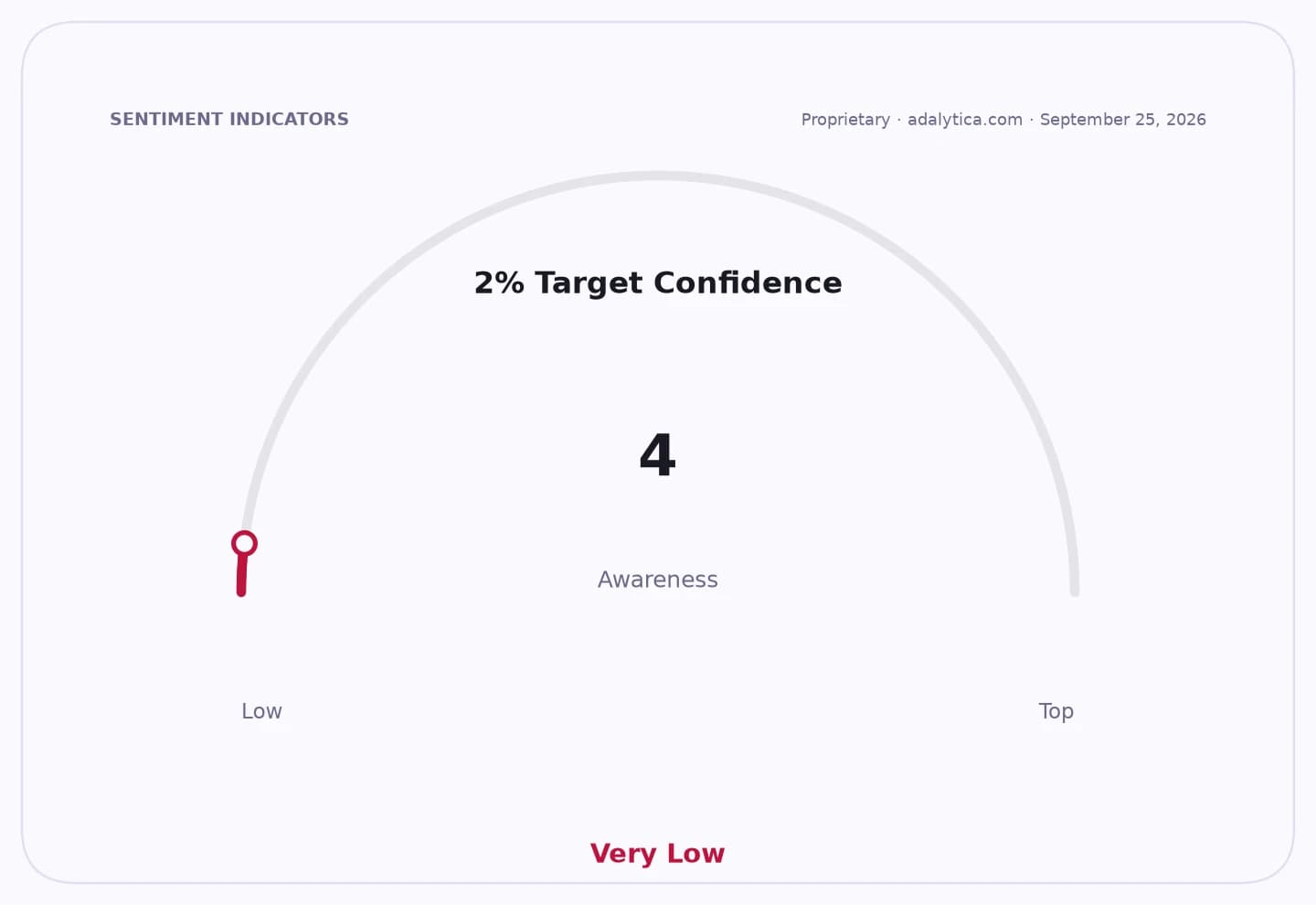
The macro backdrop is already unstable. U.S. 10-year Treasury yields are around 4.67%, up from 4.6% two sessions earlier and near levels that keep pressure on global valuations, while market signals tracked by Adalytica show extreme fear in U.S. Treasury bonds and deep anxiety around confidence in the Fed’s 2% inflation target. That combination is worsening the selloff in Asian stocks, where higher global borrowing costs and a stronger dollar typically tighten financial conditions fast.
Oil’s latest surge matters most for inflation-sensitive sectors and countries that import most of their fuel. Japan’s EWJ ETF slipped to 91.10 from 92.74 over the last three sessions, while energy-sensitive U.S. sectors have stayed bid, with the XLE energy ETF rising to 59.38 and crude futures near 91.23 on Friday, reinforcing the market’s view that the oil shock is not fading yet.
DCOILWTICO vs DGS10 — macro contextadalytica.com
Explore this data interactively — full history, time series and cross-market comparisons.Open AlphaPulse

For investors, the risk is that a geopolitical spike in oil becomes a policy problem. Higher energy costs can pressure margins, keep headline inflation sticky and force central banks to delay easing, a bad mix for equities, long-duration bonds and Asian currencies. Airlines and other fuel-intensive industries are the most exposed, while oil producers and energy shares benefit from the move.
The next catalyst is whether crude extends above the $100 level or eases as geopolitical tensions cool. Traders will be watching inflation prints, Treasury yields and central bank commentary for signs that the oil rally is feeding through to broader pricing expectations.
| Entity | Gains | Losses |
|---|---|---|
| Oil producers | ▲Higher realized prices | ▼None |
| Energy stocks | ▲Momentum and inflows | ▼Rate-sensitive sectors |
| Asian importers | ▲None | ▼Higher input costs |
| Airlines and transport firms | ▲None | ▼Fuel expense pressure |