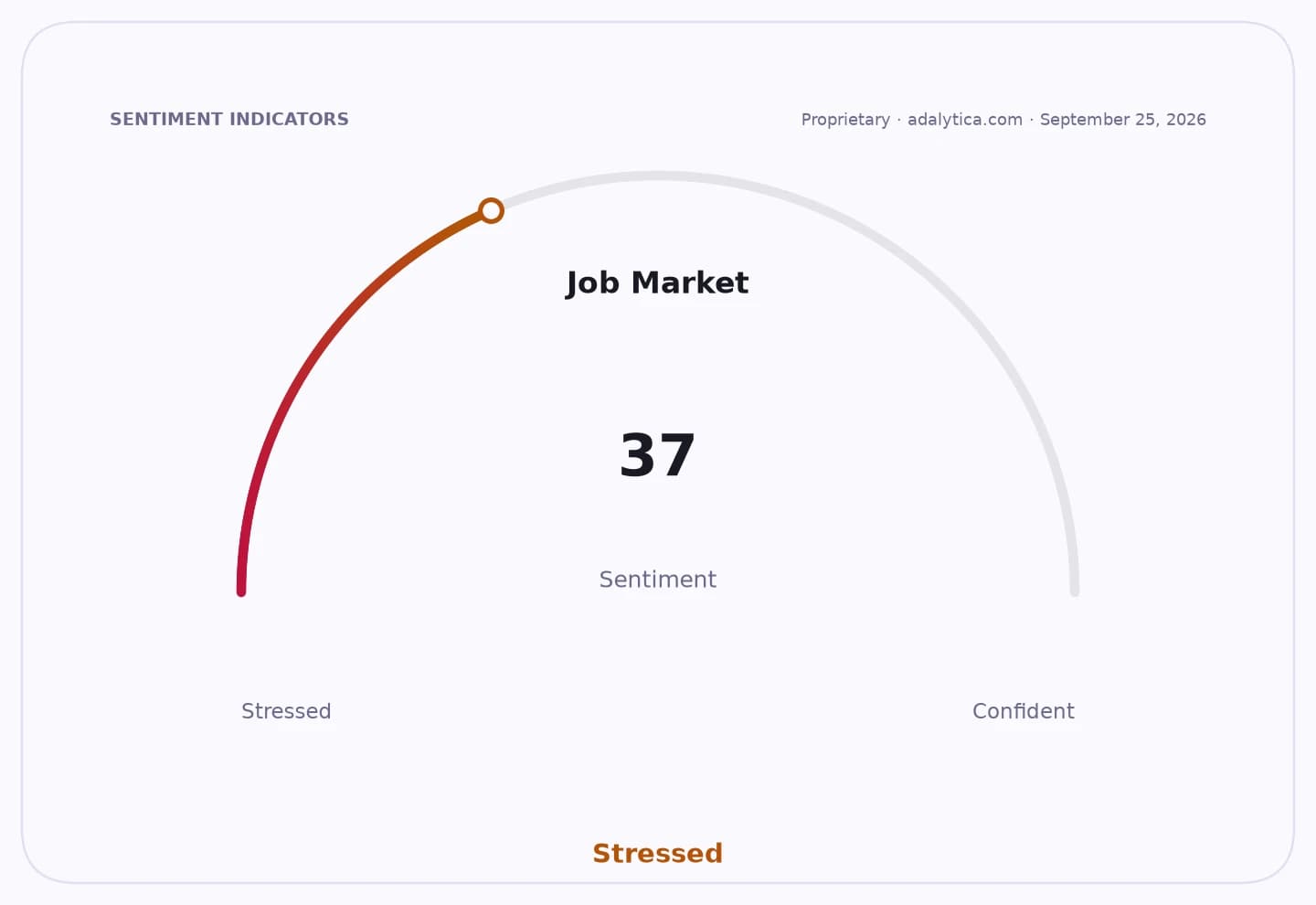
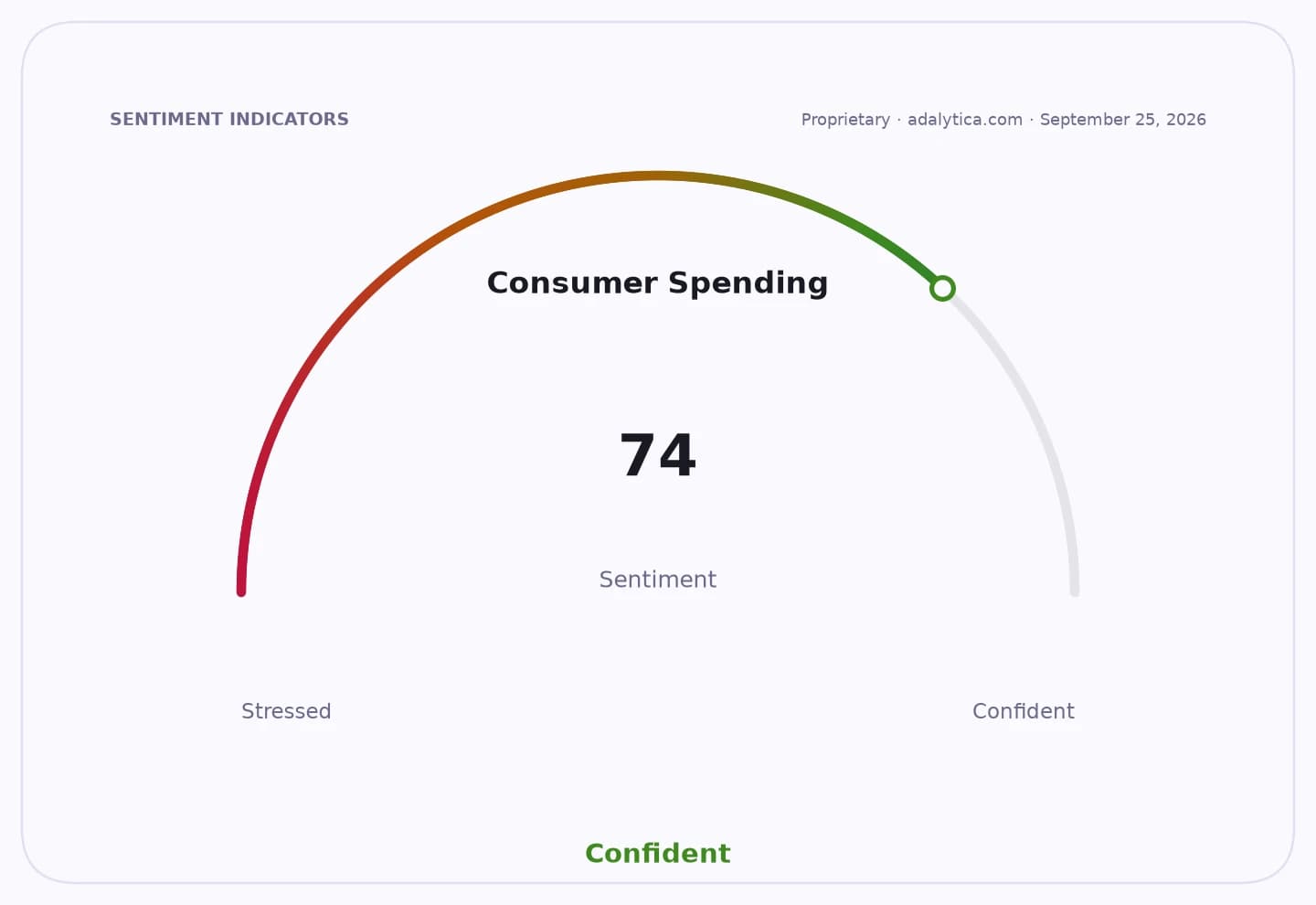
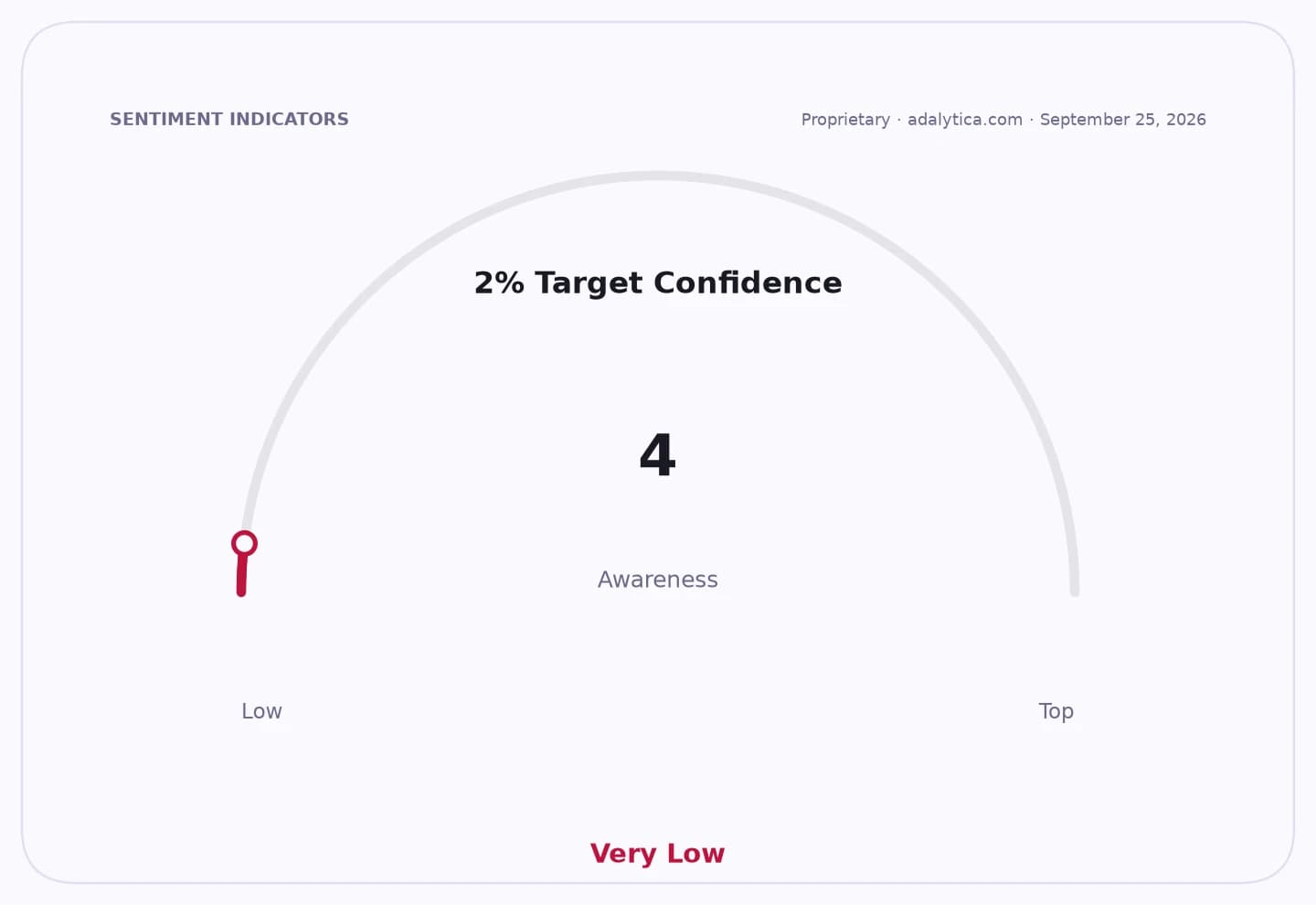
Treasury yields are climbing across the curve as a fresh surge in oil prices revives the market’s inflation playbook and forces investors to rethink how quickly the Federal Reserve can ease. The 3-year yield has risen to 3.895%, a sign that traders are once again pricing a more persistent energy-driven price shock rather than a clean glide path to lower rates.
Oil Spike Pushes Yields Higher
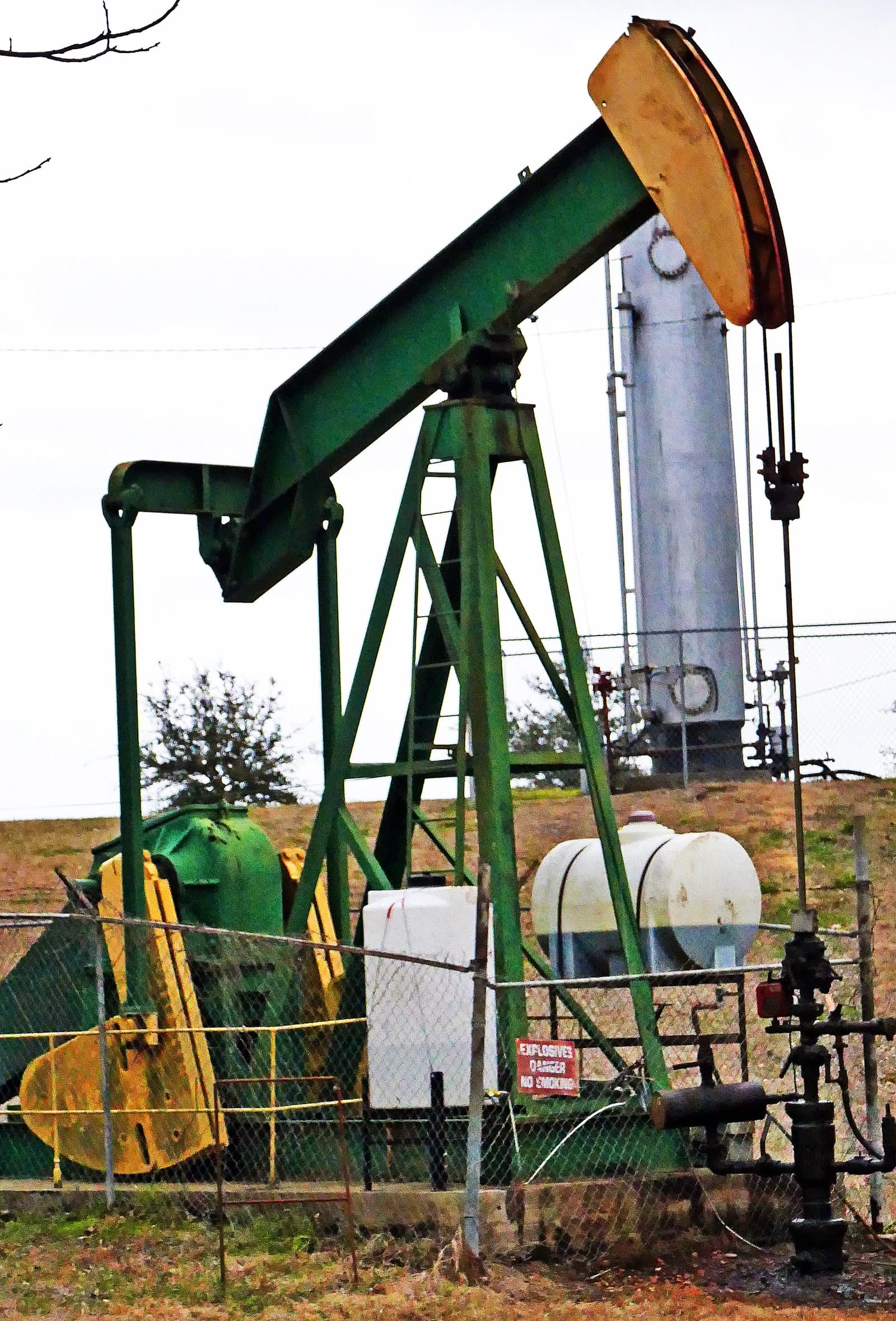
That matters because oil is not just another commodity move; it is a direct tax on consumers, a margin headwind for companies, and a complication for central banks trying to cut rates without reigniting inflation. The latest jump in crude, with U.S. oil above $123 a barrel in the current data, has sent a clear message to bond markets: the disinflation story is fragile when geopolitics turns the energy tap off.
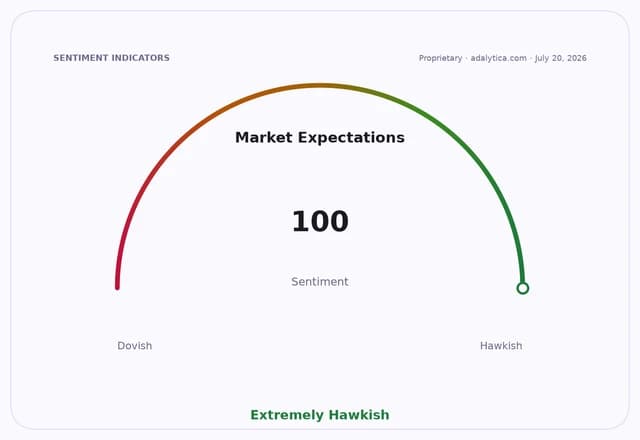
Sentiment IndicatorsⓘProprietary · adalytica.com · July 20, 2026
This is a snapshot — live sentiment, awareness and momentum for 130+ markets update continuously in the dashboard.Open AlphaPulse

The move is showing up most clearly in intermediate maturities, where policy expectations live. The 2-year Treasury yield is back above 4.1%, while the 10-year has pushed higher as well, flattening the curve only modestly. That combination suggests investors are not simply demanding more term premium; they are also reassessing the timing and depth of Fed cuts after a period when markets had leaned too aggressively toward easier policy. Adalytica’s Market Expectations for Fed Rate Decisions gauge has flipped to “Extreme Greed,” underscoring how quickly positioning has turned hawkish as oil’s inflation impulse spreads through rate markets.
For investors, the implication is straightforward: higher energy prices are a double-edged sword. They can support the obvious winners such as oil producers and energy ETFs like USO, but they pressure long-duration assets, including Treasuries and rate-sensitive growth stocks, if inflation proves stickier than expected. The day’s trading in bond funds reflects that tension. TLT, the long Treasury ETF, remains under pressure and is still trading below its 200-day moving average, while intermediate-duration IEF is only slightly firmer, signaling that the market is more comfortable with the front end of the curve than with owning long-dated duration in a world of higher oil.
DCOILWTICO vs DGS2 — macro contextadalytica.com
Explore this data interactively — full history, time series and cross-market comparisons.Open AlphaPulse
The broader narrative is that geopolitics is again dictating macro pricing. Tensions involving the U.S. and Iran have not only lifted crude; they have revived the possibility of second-round inflation effects that central bankers had hoped were fading. That is why the bond market is reacting so quickly. If oil stays elevated, headline inflation can reaccelerate even as core measures cool, and that leaves the Fed with fewer good options.
My thesis: this is an inflection point for investors who have been too quick to bet on lower yields and a smoother disinflation trade. The market underestimates how sensitive Treasury duration is to energy shocks, and it is underpricing the persistence of inflation risk if oil remains elevated into coming CPI prints. That makes selective energy exposure, inflation hedges, and shorter-duration fixed income more attractive than chasing long-bond rallies. Until crude eases and the Fed regains room to cut, the path of least resistance for yields is higher.
| Entity | Gains | Losses |
|---|---|---|
| Energy producers | ▲Higher realized prices | ▼None |
| Oil-linked ETFs | ▲Momentum and inflows | ▼Long duration bonds |
| Treasury bulls | ▲Lower prices, higher yields | ▼Bond price losses |
| Fed doves | ▲Less room to cut | ▼Inflation credibility |