Old Mutual’s client event in which the insurer urged a stronger mix of government and private bond issuance points to a bigger shift in southern Africa’s capital markets: companies and policymakers are trying to lock in funding before borrowing costs tighten further.
Old Mutual Backs Deeper Southern Africa Bond Markets
That matters because the benchmark backdrop remains restrictive. The U.S. 10-year Treasury yield is around 4.75%, near the upper end of its recent range, while high-yield credit spreads are still only modestly off their tighter levels, leaving less room for error if global funding conditions worsen. In practical terms, borrowers that can place longer-dated debt now may be able to avoid refinancing later at even steeper coupons.
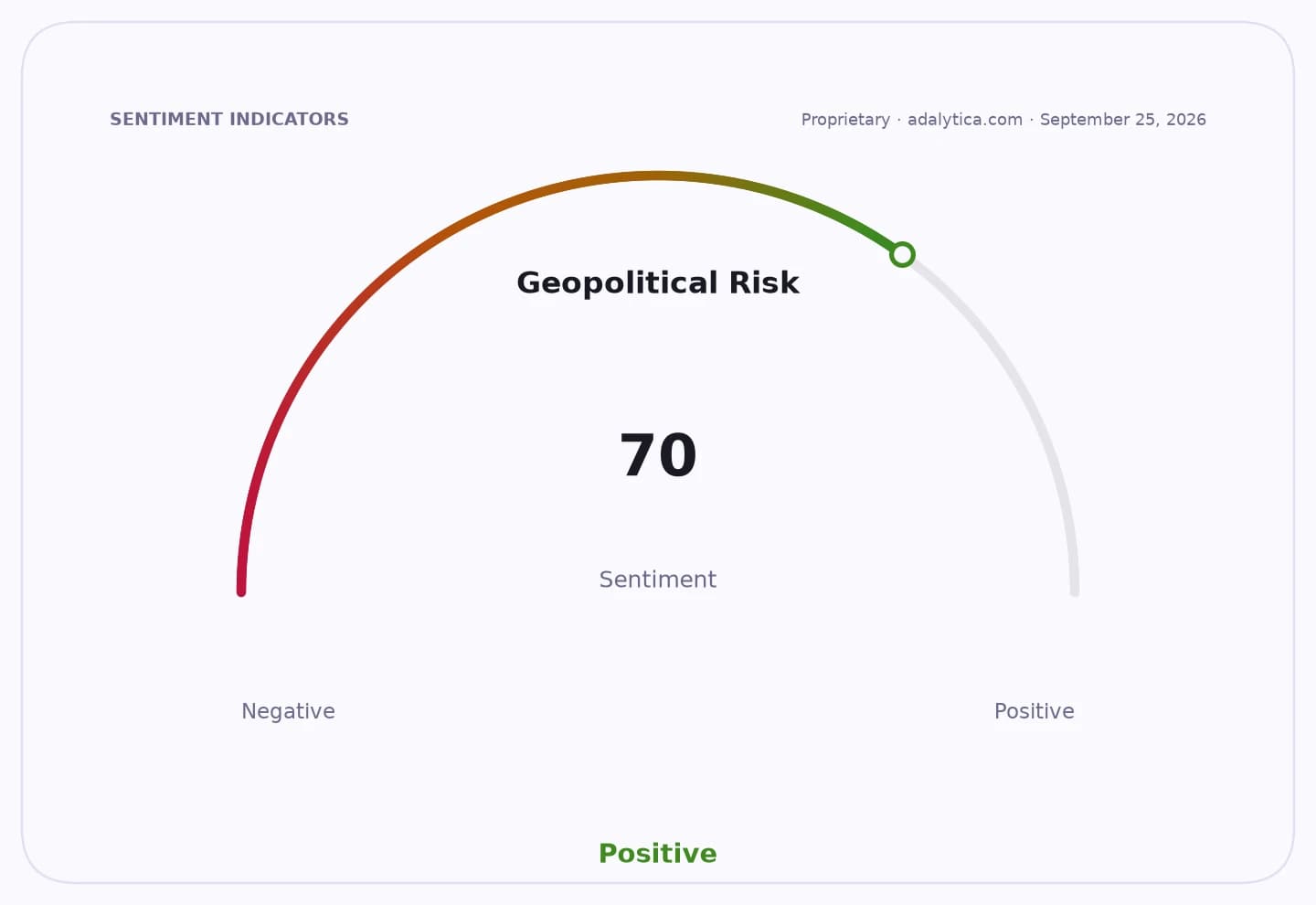
Sentiment IndicatorsⓘProprietary · adalytica.com · July 25, 2026
This is a snapshot — live sentiment, awareness and momentum for 130+ markets update continuously in the dashboard.Open AlphaPulse
For an insurer such as Old Mutual, the message carries two sides. On the one hand, deeper local bond markets create more investable assets for life companies, pension funds and asset managers that need duration, income and inflation protection. On the other, a more active bond market can improve pricing discipline for issuers and reduce reliance on short-term bank funding, which is typically more vulnerable when policy rates are high or growth is slowing.
The call for stronger government issuance is especially important. Sovereign bonds anchor the rest of the curve, help establish pricing for corporates and give domestic institutions large, liquid instruments to hold. When the state borrows in size and regularly, it usually improves secondary-market liquidity and supports a broader private debt market. Without that anchor, corporate issuance tends to remain thin, expensive and concentrated among the largest names.
That is why Old Mutual’s pitch is not just about financing one company or one transaction. It reflects a broader investment case around the evolution of local capital markets in economies that still depend heavily on bank lending. If governments build predictable issuance programs and private borrowers follow, insurers and pension funds gain a larger pool of fixed-income assets, and issuers gain access to a more stable source of capital than syndicated loans.
The market backdrop is mixed. Long-term U.S. yields have climbed from the unusually low levels seen during the pandemic, while dollar sentiment in the Adalytica signals is in “Extreme Fear,” suggesting investors remain sensitive to shifts in rates and growth assumptions. At the same time, equity markets have stayed resilient, indicating some appetite for risk, but not enough to remove the premium demanded for credit and duration.
For investors, the development matters most in three ways. It supports the case for high-quality local bonds if issuance broadens and liquidity improves. It also argues for caution on highly leveraged issuers that may struggle if rates remain elevated. And it highlights a structural theme: in markets where pension assets are growing and insurers need long-duration paper, the winners are often the institutions that can issue credibly in size and at a predictable cadence.
The bull case is that stronger sovereign and corporate issuance deepens the market, attracts domestic savings and lowers the cost of capital over time. The bear case is that if governments overborrow or economic growth disappoints, supply could swamp demand and push up yields further. For now, Old Mutual’s message suggests the industry would rather see a larger, more liquid bond market than wait for funding conditions to improve on their own.
| Entity | Gains | Losses |
|---|---|---|
| Insurers and pension funds | ▲More long-duration assets | ▼Thin bond supply |
| Sovereign issuers | ▲Better curve pricing | ▼Higher refinancing risk |
| Corporate borrowers | ▲Alternative to bank loans | ▼Dependence on short-term credit |
| Existing bondholders | ▲Liquidity and market depth | ▼Pressure if issuance rises too fast |