Saudi Arabia and six other OPEC+ countries are signaling that they still want to keep the oil market tight, and investors should pay attention because that stance helps support crude prices even as global growth remains shaky.
OPEC+ keeps November oil output unchanged
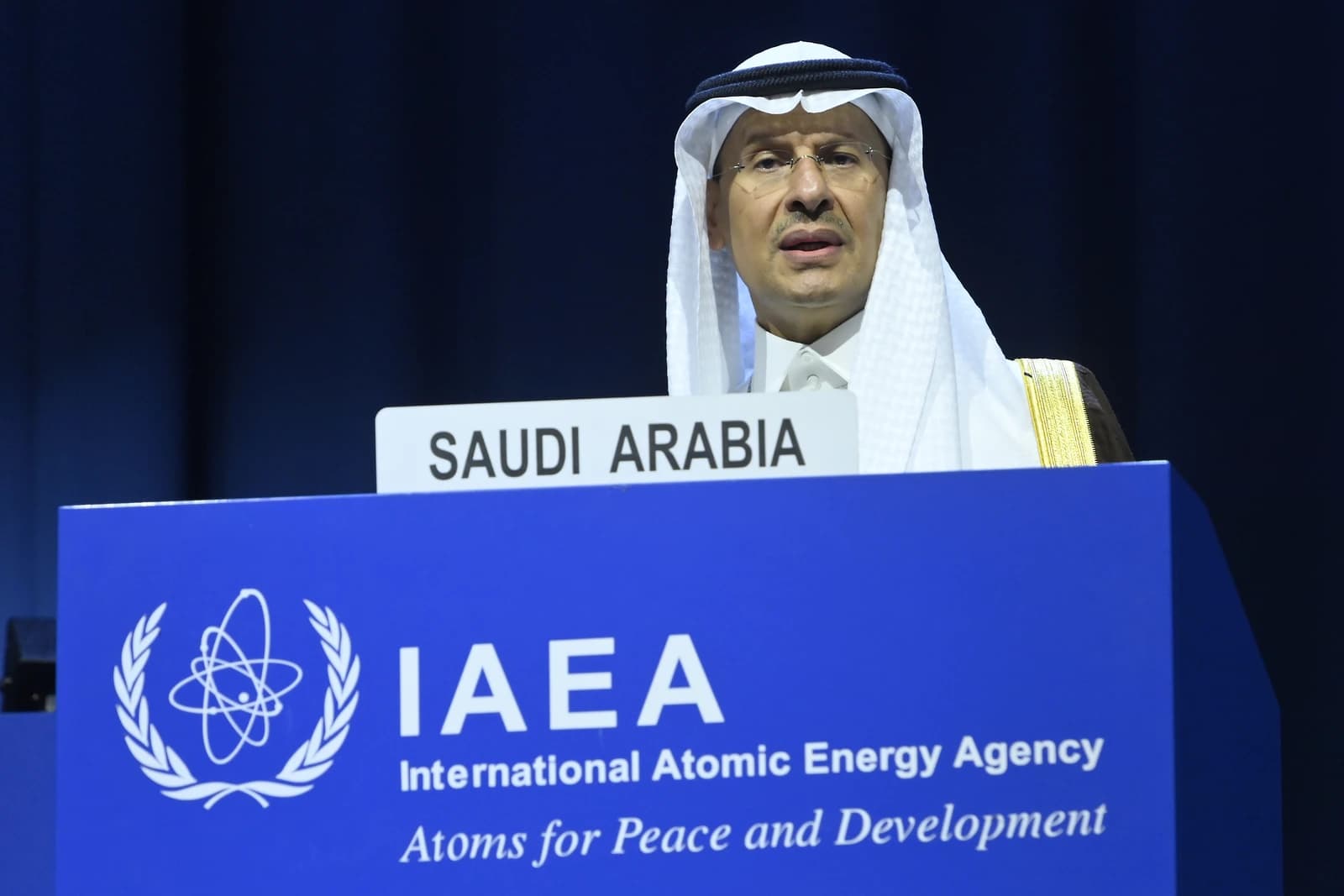
The group left November production unchanged from September, with Saudi Arabia’s scheduled output set at 10.478 million barrels a day. That matters because OPEC+ is still choosing discipline over volume, a strategy that can cushion prices, preserve cash flow for producers and keep inflationary pressure alive for consumers and central banks.
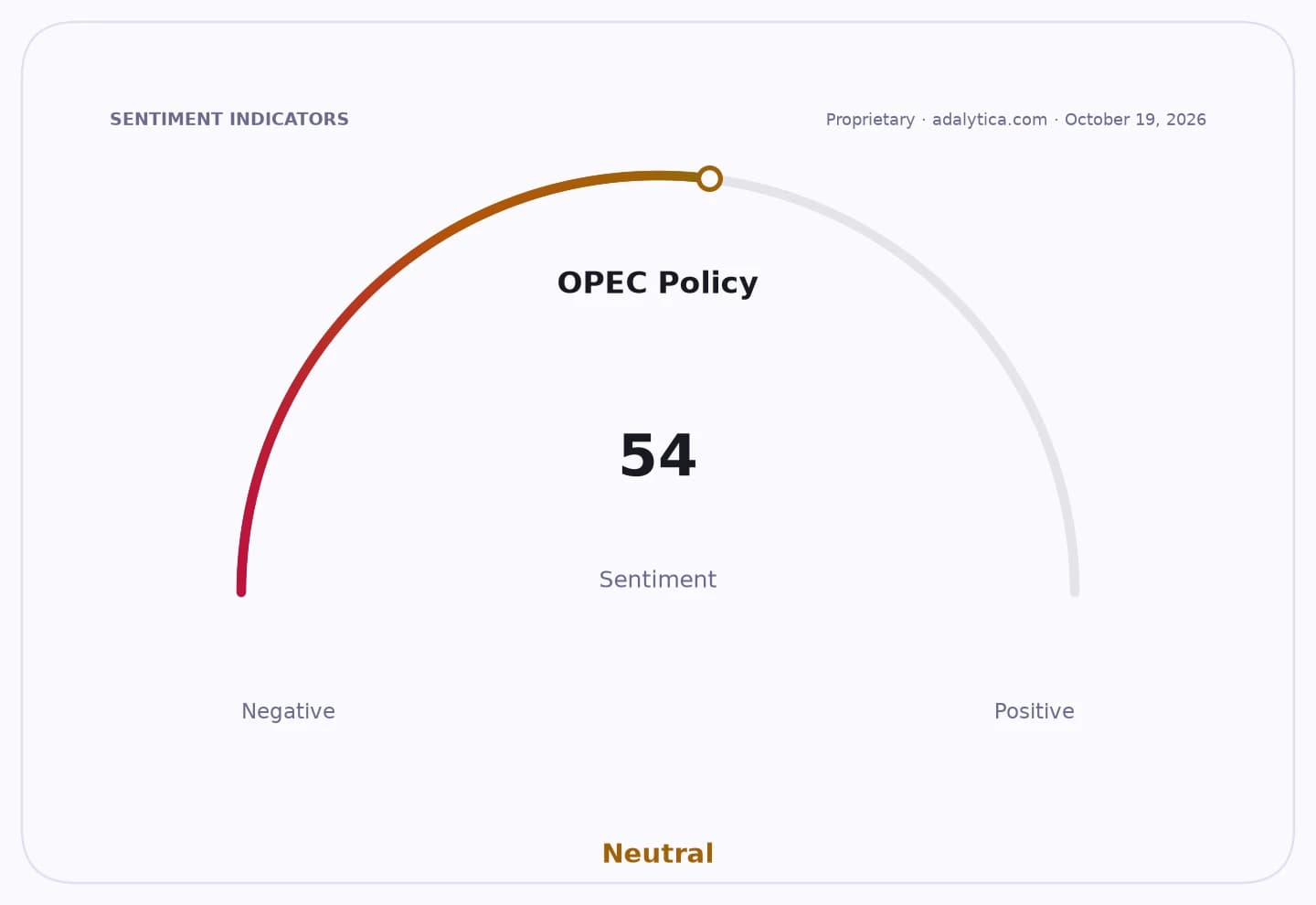
Sentiment IndicatorsⓘProprietary · adalytica.com · October 6, 2026
This is a snapshot — live sentiment, awareness and momentum for 130+ markets update continuously in the dashboard.Open AlphaPulse

For oil markets, the message is straightforward: supply remains constrained. The latest decision comes after OPEC+ has kept its collective cuts intact, reinforcing a floor under crude at a time when benchmark prices remain elevated. U.S. oil prices, as tracked by the USO fund’s recent trading pattern, have stayed well above long-run averages even after a pullback, while the 10-year Treasury yield near 5.3% shows investors are still navigating a higher-rate world where energy can feed inflation expectations.
That combination matters for the broader economy. Higher oil prices can lift headline inflation, complicate the case for faster interest-rate cuts and squeeze households that are already dealing with pricier necessities. The latest CPI reading at 334.131 shows inflation has cooled from peak levels, but energy remains one of the quickest channels through which the OPEC+ decision can ripple into everything from transport costs to airline margins.

For investors, the winners and losers are becoming clearer. Integrated oil companies and producers such as Exxon Mobil and Chevron benefit when OPEC+ keeps supply tight, because stronger crude prices support upstream earnings and free cash flow. Energy ETFs such as XLE and exploration-focused names like XOP also tend to gain from a firmer price backdrop. On the other side, refiners, fuel-heavy industries and consumers face a tougher margin environment if crude stays elevated.
The market backdrop helps explain the stakes. Technical indicators on USO show the fund has recently pulled back from overbought levels, but it still sits far above its 50-day and 200-day moving averages, underscoring how much of the year’s move has already been priced into energy assets. Adalytica’s OPEC policy sentiment gauge is flashing extreme fear even as awareness remains high, a sign that traders are focused on the risk of supply discipline outlasting demand softness.
That is the core narrative here: OPEC+ is choosing to protect price rather than chase market share. For long-term investors, that keeps energy stocks relevant as a cash-generating hedge in diversified portfolios, even if volatility is likely to stay high. If you own the sector, this is a reminder to stay patient. If you do not, OPEC+ is still one of the biggest reasons energy deserves a place on your watchlist.
| Entity | Gains | Losses |
|---|---|---|
| OPEC+ producers | ▲Higher realized prices | ▼Lost volume growth |
| Saudi Arabia | ▲Supports budget revenue | ▼Limits near-term output |
| Energy stocks/XLE/XOP | ▲Stronger cash flow | ▼Demand-sensitive sectors |
| Consumers/importers | ▲— | ▼Higher fuel costs |