OPEC+ is moving to add another 188,000 barrels a day in September, extending a sixth straight monthly increase and keeping its campaign to reclaim about 2 million barrels a day on track even as crude holds near $85 a barrel.
OPEC+ raises output 188,000 barrels a day in September

That matters because the cartel is trying to walk a narrow line: loosen supply enough to protect market share and bankroll producers, but not so much that it triggers a price collapse. For investors, the key is that this is not a one-off gesture. It is a staged normalization of barrels that had been withheld, and it comes while WTI remains elevated, the U.S. 10-year yield sits around 4.63%, and energy shares still trade with meaningful support from cash-flow expectations.
Sentiment IndicatorsⓘProprietary · adalytica.com · August 8, 2026
This is a snapshot — live sentiment, awareness and momentum for 130+ markets update continuously in the dashboard.Open AlphaPulse
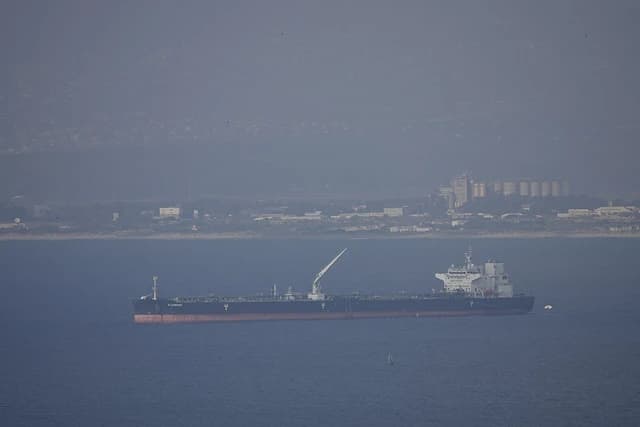
The production step-up also underscores how much leverage OPEC+ still has over inflation, transport costs and central bank policy. Oil is one of the fastest transmitters of geopolitical risk into the real economy, and each incremental barrel matters when the market is already sensitive to Middle East supply disruptions and logistics constraints. Even a modest rise can help steady global inventories, but it can also keep a floor under gasoline and diesel prices if demand remains resilient.
The market is already signaling that crude is not in free fall. WTI’s implied near-term move points to about $84.71, and the fund tracking U.S. oil, USO, closed at $117.98 on Aug. 7, far above its 200-day moving average of $101.45. Its relative strength index, a conventional technical indicator, has cooled to 44.2 from overbought levels earlier this year, suggesting the rally has eased but not broken. The broader energy ETF XLE remains above its 200-day average at $57.50 versus $52.43, while XOP, which tracks exploration and production names, is still pricing a strong earnings backdrop at $166.40.
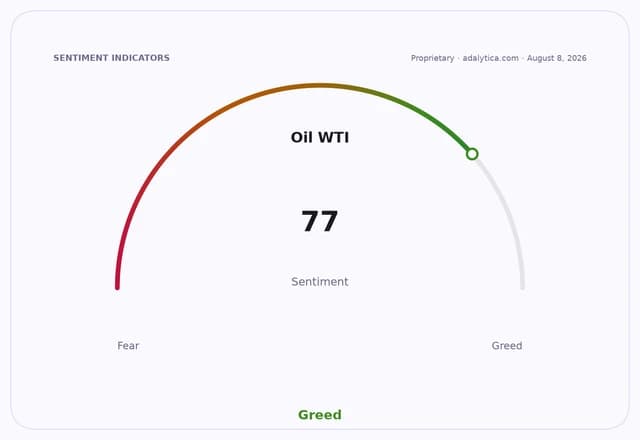
This is the kind of setup that the market often underestimates. When OPEC+ raises output from a position of discipline rather than panic, it usually means producers believe they can defend both price and volume. That is a favorable backdrop for the integrated majors, the shale leaders and the midstream toll roads that collect fees as long as molecules keep moving. ConocoPhillips has already told investors its 2026 capital spending will run about $12 billion to $12.5 billion, while Chevron continues to lean on long-term LNG contracts that soften the blow from spot volatility.
The risk for bulls is that Saudi Arabia and Russia keep testing how much supply the market can absorb. But the immediate takeaway is clearer: this is a controlled supply expansion, not a surrender, and it keeps the oil complex in a regime where scarcity still has pricing power. I believe the best way to play it is to stay long quality energy exposure, favor cash-rich producers and midstream infrastructure, and treat any pullback in crude as a buying opportunity rather than the start of a downtrend.
| Entity | Gains | Losses |
|---|---|---|
| OPEC+ producers | ▲Higher volumes, defended market share | ▼Lower per-barrel discipline |
| Integrated oil majors | ▲Strong cash flow, firmer pricing | ▼Margin pressure if supply overshoots |
| Shale producers | ▲Higher activity, capital access | ▼More competition for barrels |
| Consumers/importers | ▲More supply stability | ▼Still-high fuel costs |




