OPEC+ is preparing to raise oil production in September by about 188,000 barrels a day, a move that would reinforce the group’s shift toward restoring supply even as Brent has swung on Middle East tensions and demand worries. The increase matters because it comes into a market that is already trying to balance a fragile geopolitical risk premium against signs that inventories and prices can quickly reprice when supply expectations change.
OPEC+ plans September oil output rise of 188,000 barrels

The planned step-up is modest in absolute terms, but economically it carries more weight than the headline number suggests. After years of coordinated restraint, every incremental barrel from the alliance has a larger signaling effect on benchmark pricing, refinery margins and inflation expectations than in a more normal supply cycle. A September hike would also test whether OPEC+ is still willing to prioritize market share and quota normalization over the price support that producers have relied on through the recent period of heightened volatility.
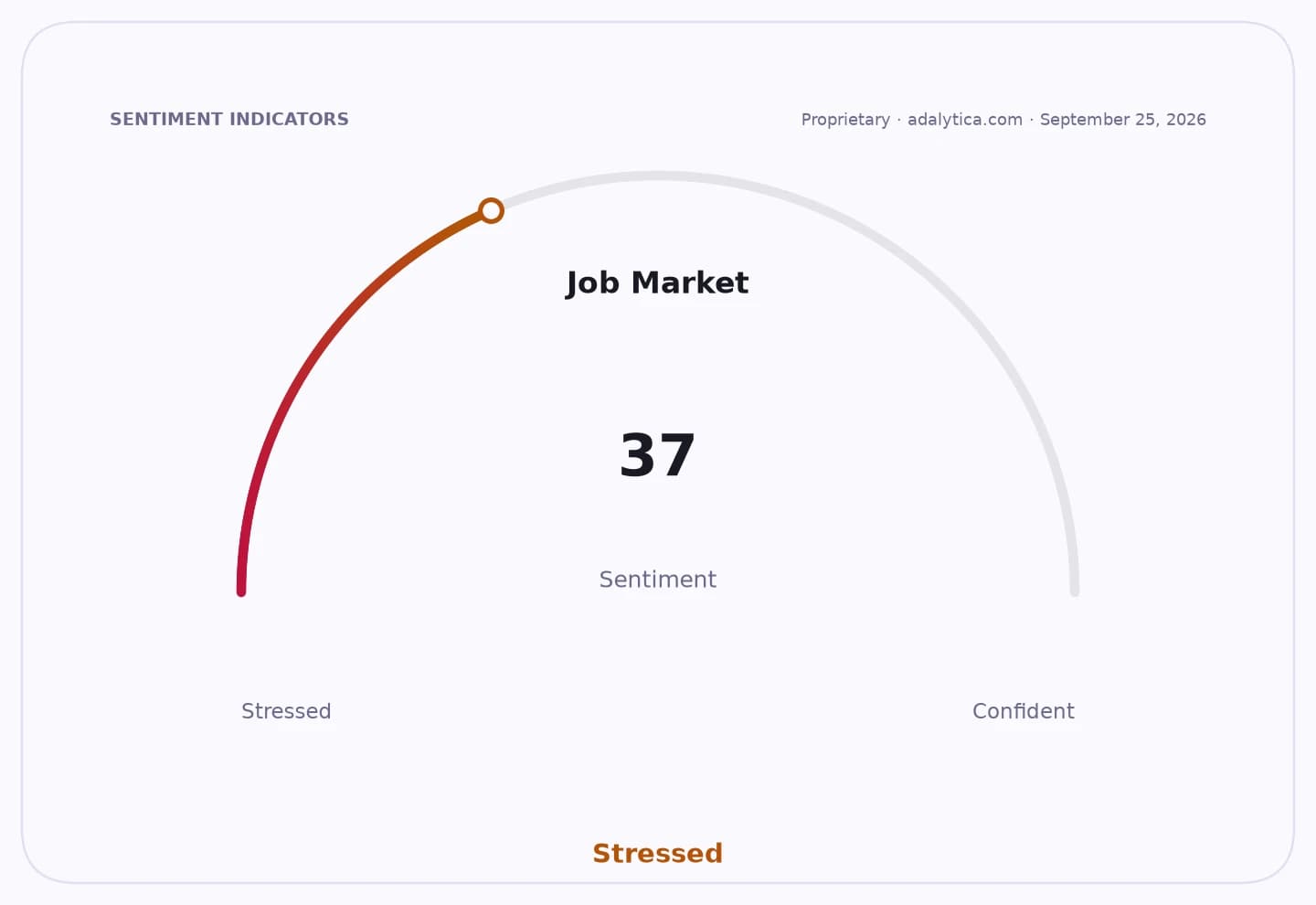
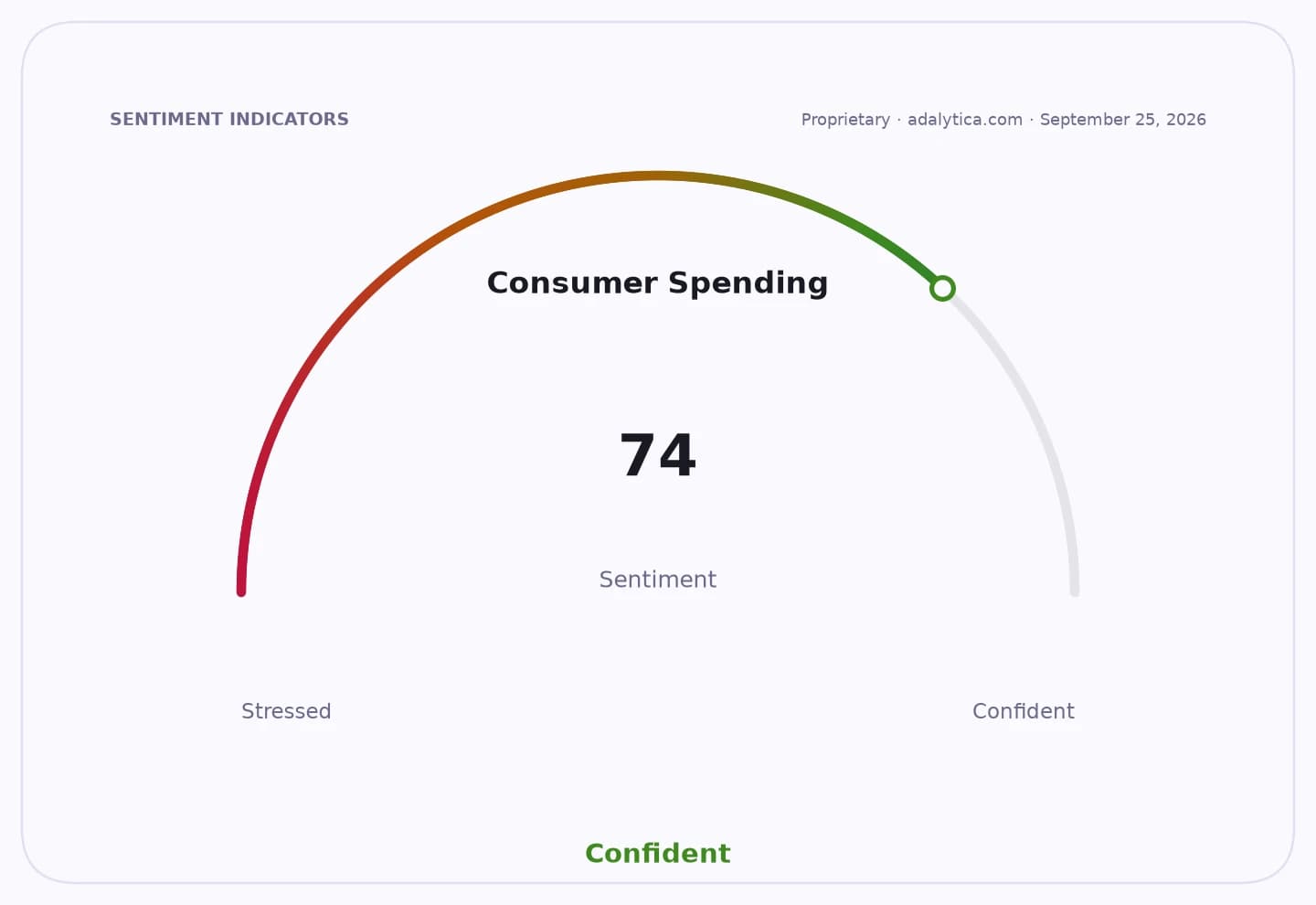
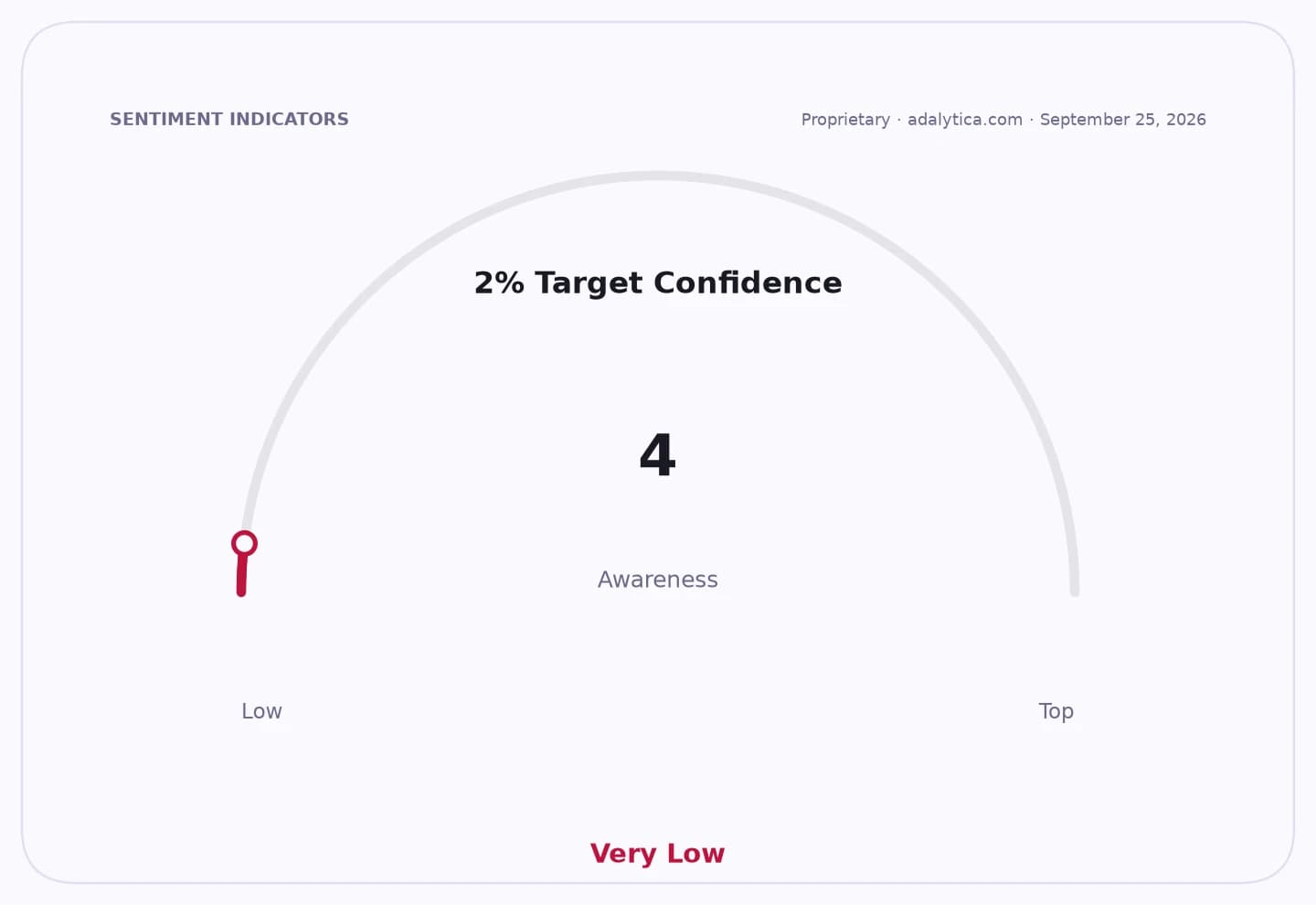
Sentiment IndicatorsⓘProprietary · adalytica.com · August 2, 2026
This is a snapshot — live sentiment, awareness and momentum for 130+ markets update continuously in the dashboard.Open AlphaPulse
That tension is visible in the oil tape. WTI has been trading around the high-$80s to low-$90s in recent data, while U.S. oil-linked vehicles have stayed elevated by historical standards, showing how sensitive investors remain to any hint of tighter or looser supply. The 10-year Treasury yield at roughly 4.66%-4.68% underscores why oil still matters beyond the commodity complex: a sustained move in crude feeds directly into inflation expectations, real yields and central-bank positioning. If OPEC+ adds barrels into a market already shaken by shifting headlines, the effect could be to cap further gains in energy and ease some pressure on consumer prices. If the increase proves too small to offset geopolitical risk, prices could stay supported.
For investors, the immediate question is whether the output rise marks the start of a broader easing cycle or just a tactical adjustment. Energy equities such as XLE and Chevron have already moved sharply with crude, and their earnings sensitivity remains high to each $5 to $10 swing in benchmark prices. Producers benefit if OPEC+ keeps prices firm by managing supply; refiners and consumers benefit if more barrels help cool feedstock costs. A larger concern for the broader market is that oil at these levels can reintroduce an inflation pulse just as risk appetite, reflected in strong S&P 500 trade signals, has been leaning toward extreme optimism.

The narrative connecting the move is simple: OPEC+ is trying to normalize production without breaking the market. That is a delicate balance when geopolitical risk is still unresolved and demand is not strong enough to absorb much new supply without a price response. Investors will be watching not just the September decision, but whether the alliance follows with additional increases or pauses again if crude weakens too quickly.
| Entity | Gains | Losses |
|---|---|---|
| OPEC+ producers | ▲Higher volumes | ▼Softer price support |
| Oil consumers | ▲Lower fuel costs | ▼Less upside from tight supply |
| Energy stocks | ▲Improved revenue visibility | ▼Margin risk if crude falls |
| Inflation-sensitive assets | ▲Relief from price pressure | ▼Losses if oil rebounds |