Oracle’s bonds are under pressure as widening spreads and elevated Treasury yields raise the cost of funding for one of the market’s most leveraged software giants.
Oracle Debt Pressured by Higher Rates

That matters because Oracle sits at the intersection of two fragile forces in credit markets: a rising risk-free rate and renewed concern over corporate balance sheets. The company has been active in refinancing debt, including a $10 billion revolving credit agreement earlier this year, and has warned in filings that it may not always be able to refinance on favorable terms. When spreads widen, that warning becomes more consequential: every incremental basis point in borrowing costs hits future interest expense, free cash flow and ultimately equity valuation.
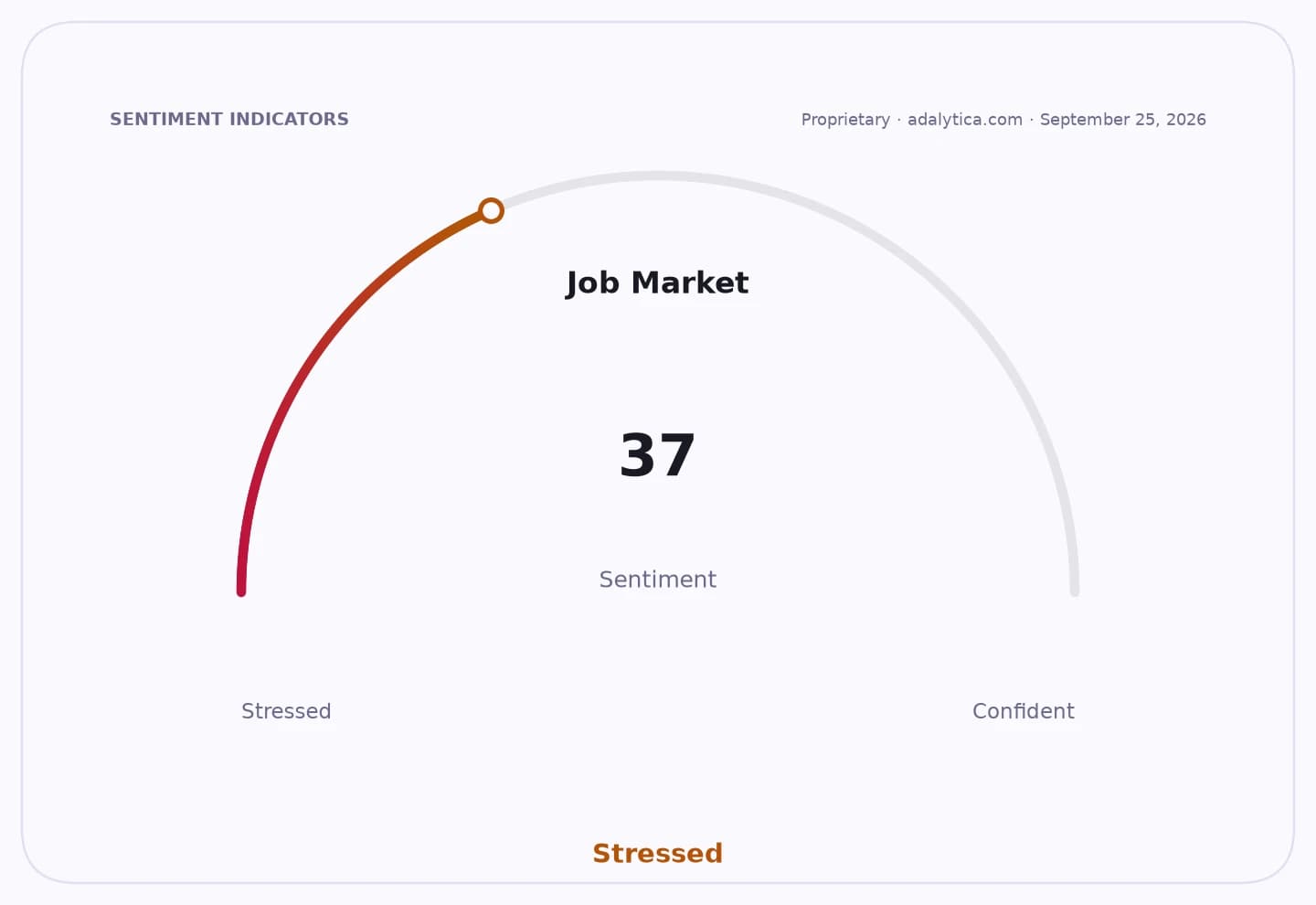
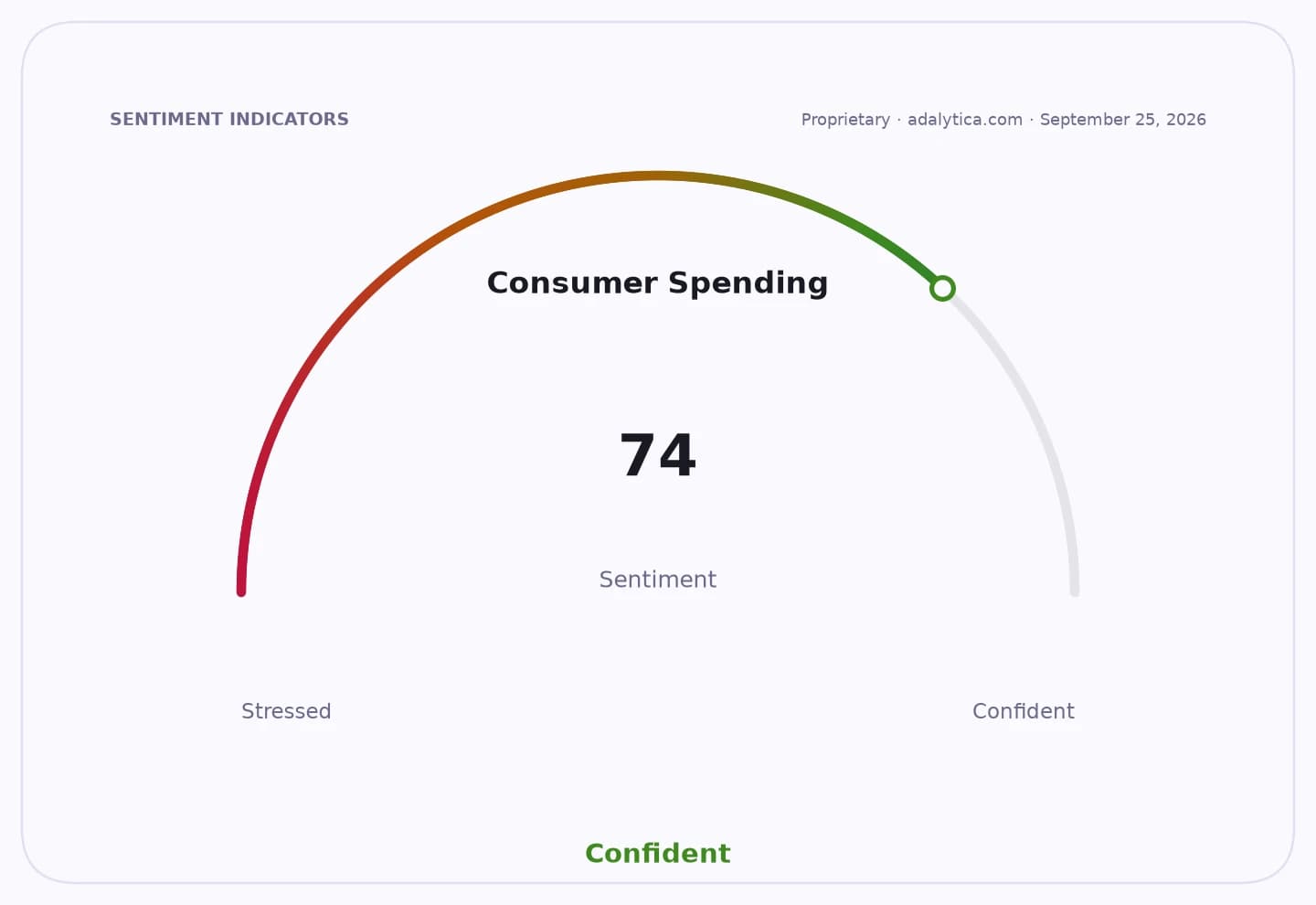
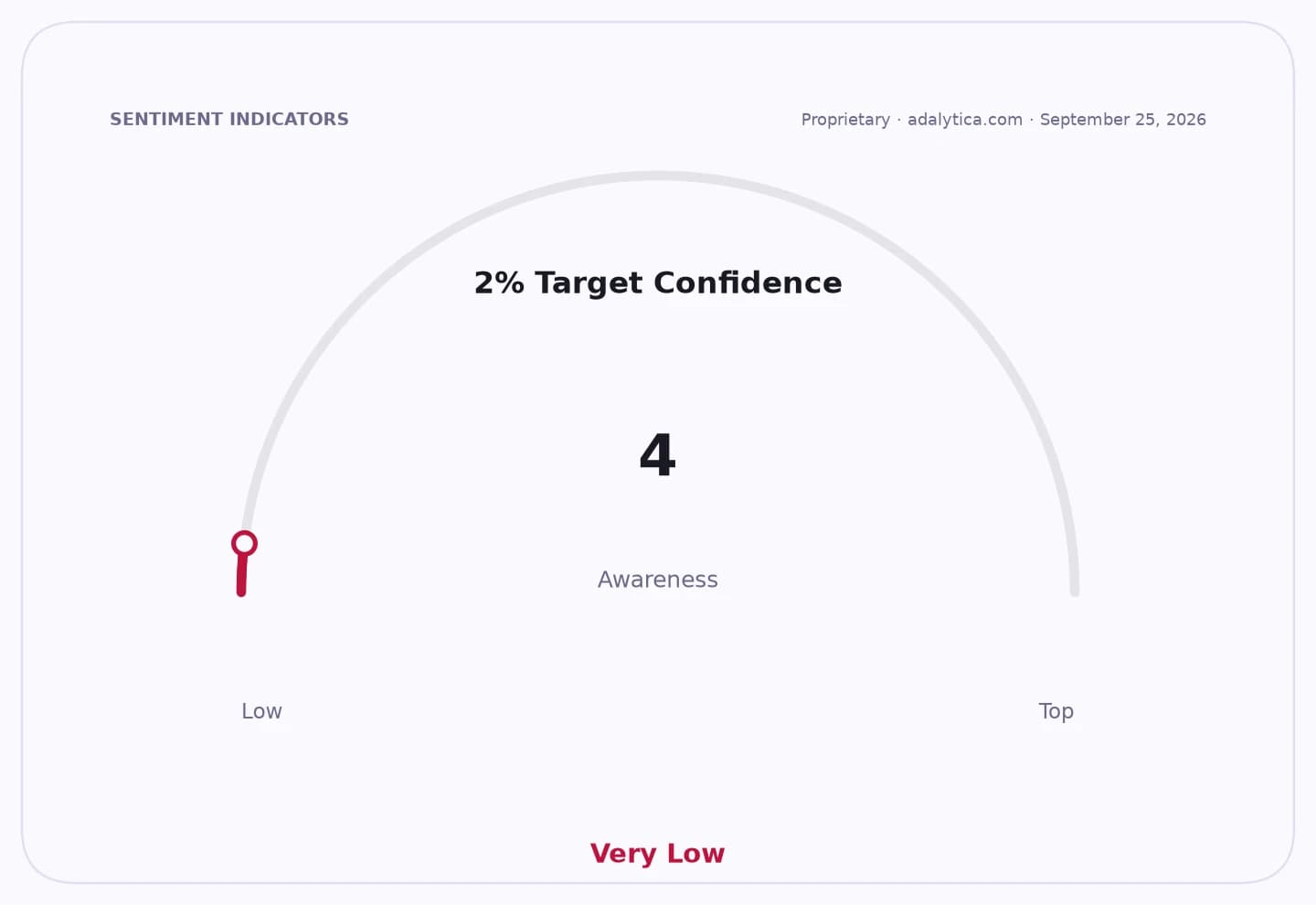
Sentiment IndicatorsⓘProprietary · adalytica.com · July 21, 2026
This is a snapshot — live sentiment, awareness and momentum for 130+ markets update continuously in the dashboard.Open AlphaPulse
The move comes against a backdrop of broader bond-market stress. The U.S. high-yield spread benchmark has climbed back toward the 3% area after swinging sharply over the past year, while the 10-year Treasury yield has held around 4.5%, leaving corporate issuers to absorb a meaningfully higher all-in cost of capital than in the low-rate era. Investor appetite for credit has not vanished — issuance remains open and transactions have still cleared — but the market is demanding more compensation for macro risk, geopolitical tension and the possibility that inflation proves stickier than expected.
For Oracle, that is especially important because the market has already punished the stock. Shares closed near $121.38 on Monday after a violent selloff that left them far below the 50-day and 200-day moving averages, while the 14-day RSI was deep in oversold territory. That technical backdrop suggests the equity is discounting more than just a routine bond-market widening; it reflects concern that higher financing costs could arrive just as Oracle continues to fund a capital-intensive push into cloud infrastructure and data-center expansion.
The bull case is that Oracle’s scale, recurring software revenue and investment-grade access to capital should keep refinancing risk manageable. The company still has substantial financing flexibility, and large-cap issuers with durable cash generation typically regain market access even in choppier credit conditions. The bear case is that Oracle’s growing debt burden leaves it more exposed than many software peers if spreads stay elevated or if the market begins to question how quickly cloud spending turns into cash flow.
The immediate investor question is whether this is a temporary mark-to-market move in corporate debt, or the start of a more durable repricing of Oracle’s credit profile. If Treasury yields remain high and spreads continue to widen, Oracle’s cost of capital rises precisely as it tries to defend growth ambitions. That combination would be a headwind not just for bondholders, but for equity investors betting that the company can convert its cloud push into faster earnings growth without stretching the balance sheet further.
| Entity | Gains | Losses |
|---|---|---|
| Bondholders | ▲Higher yields | ▼Price declines |
| Oracle | ▲Funding access if markets hold | ▼Higher refinancing costs |
| Equity investors in Oracle | ▲Potential oversold rebound | ▼Balance-sheet risk |
| Treasury buyers / cash holders | ▲Safer carry | ▼Corporate credit exposure |