Pakistan is trying to position itself in the race for artificial intelligence and robotics at a time when the technology is moving rapidly from software into machines, with Prime Minister Shehbaz Sharif saying the country is advancing toward leadership in AI, robotics and modern technology.
Pakistan Pushes AI, But Execution Remains Key
That push matters because AI is becoming a strategic growth industry, not just a headline theme. Countries that build skills, data infrastructure and industrial policy around it are competing for investment, higher-value jobs and exportable technology at a moment when automation is reshaping manufacturing, logistics and services.
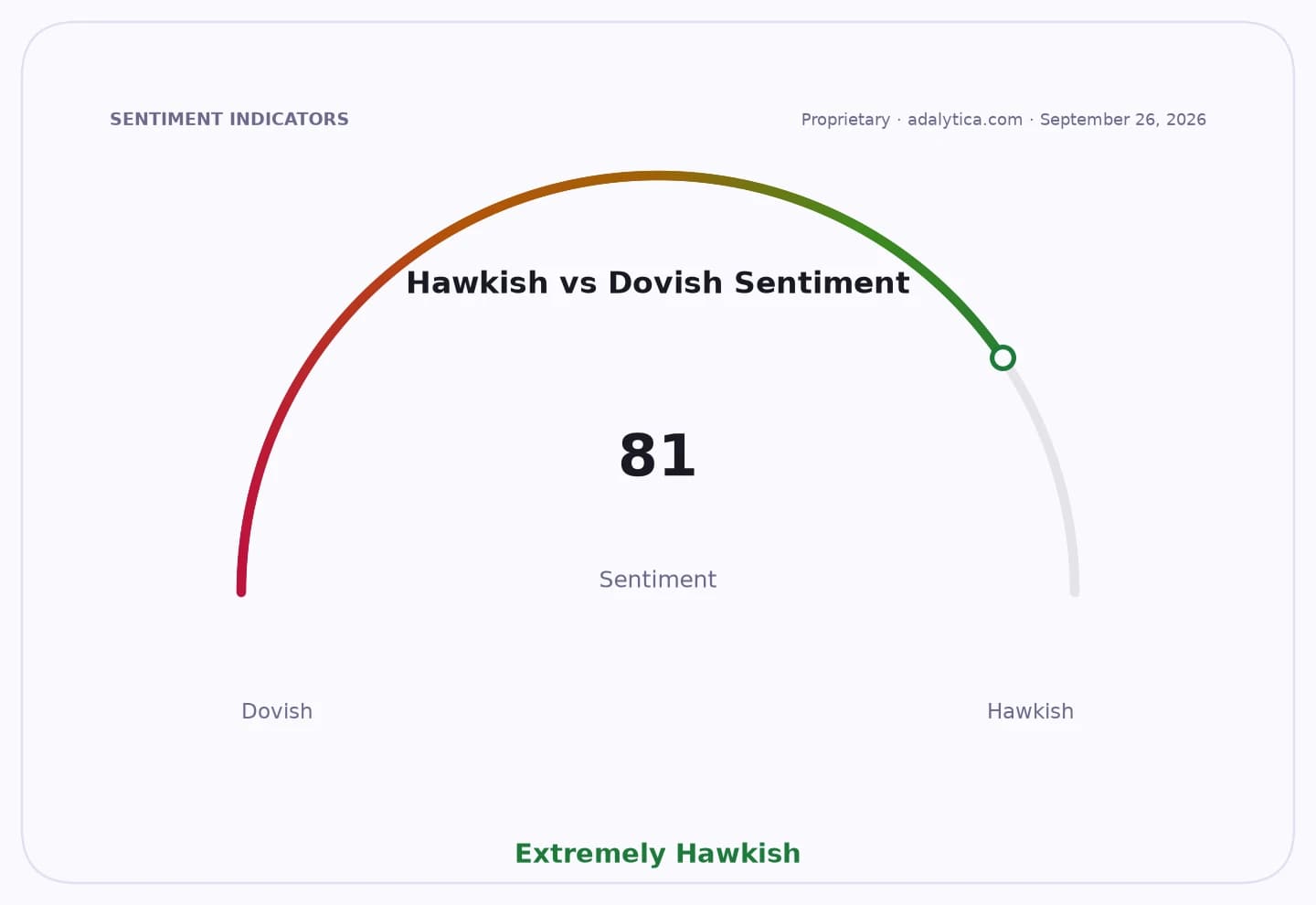
Sentiment IndicatorsⓘProprietary · adalytica.com · July 22, 2026
This is a snapshot — live sentiment, awareness and momentum for 130+ markets update continuously in the dashboard.Open AlphaPulse
The timing is notable. At the World AI Conference in Shanghai, China showcased transport robots and voice-controlled AI devices, underscoring how fast embodied AI is moving into physical-world applications. The sector’s shift toward robotics is also raising the stakes for governments that want to avoid being left with only the labor-market disruption and none of the productivity gains.
For investors, the story is less about Pakistan alone than about where the next wave of AI spending flows. Robotics, semiconductors, cloud infrastructure and industrial automation stand to benefit if governments broaden adoption, while countries without policy follow-through risk remaining dependent on imported systems and foreign capital.
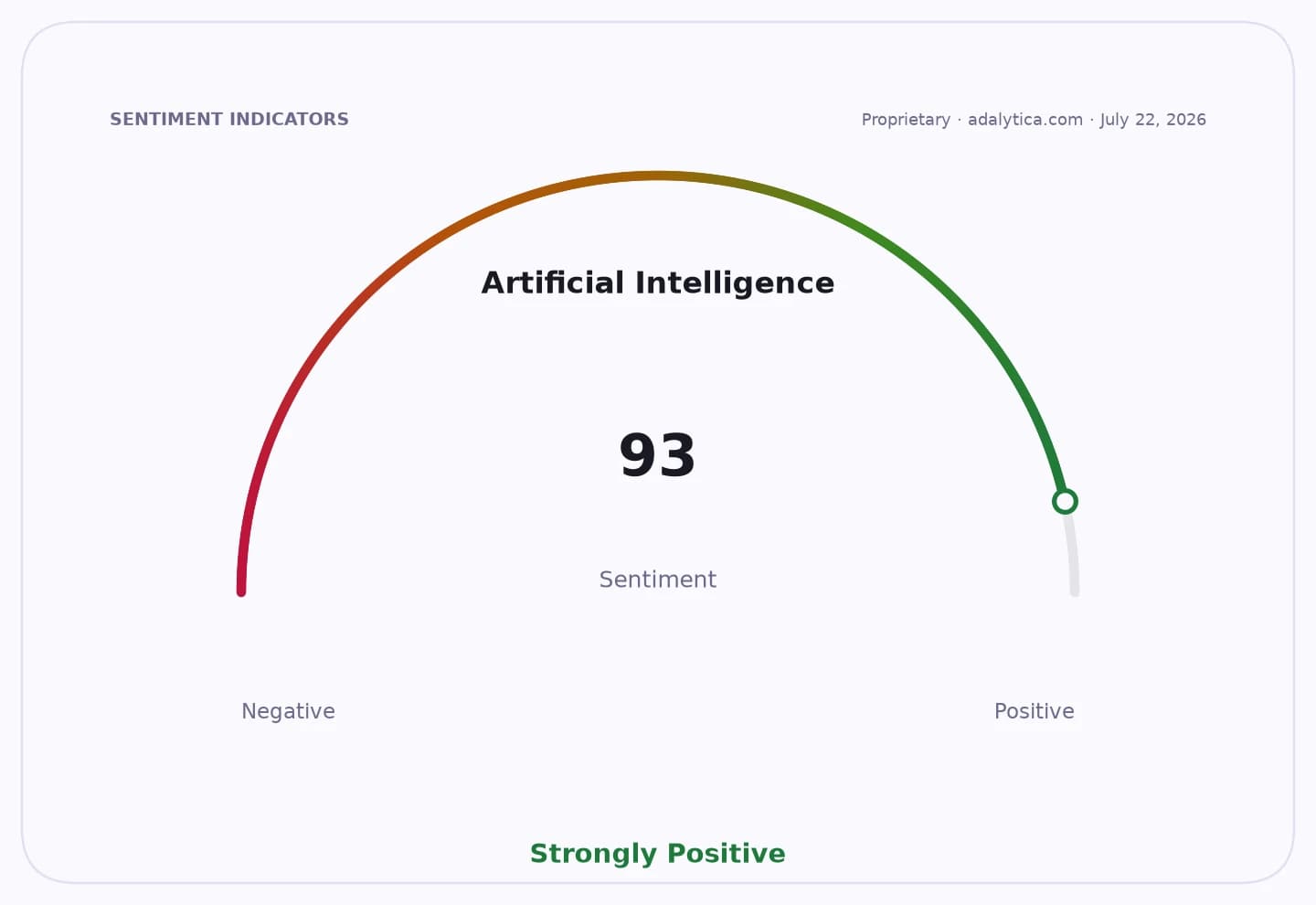
The market backdrop reflects that tension. Shares tied to AI enthusiasm remain elevated, with Adalytica’s AI sentiment gauge at 93, or “Extreme Greed,” while Nvidia earnings sentiment is at 100, showing how tightly investor positioning remains linked to the AI buildout. That same appetite has helped keep the broader AI trade supported even as policymakers in China and Australia tighten scrutiny on data and safety.
Pakistan will need more than speeches to turn the ambition into an investable story. The next test is whether Islamabad can translate the rhetoric into education, power supply, connectivity and incentives that attract companies, researchers and hardware makers rather than just import finished systems.
| Entity | Gains | Losses |
|---|---|---|
| Pakistan tech sector | ▲Policy attention, investment pull | ▼Delayed execution risk |
| AI and robotics companies | ▲New demand narrative | ▼Regulatory uncertainty |
| Foreign hardware suppliers | ▲Potential contracts | ▼Local substitution over time |
| Investors in AI leaders | ▲Continued theme support | ▼Valuation risk if hype cools |