Separatist militants disrupting a copper mine in Pakistan is the latest geopolitical threat to an already tight market, raising the risk of higher costs and tighter supply for Chinese smelters and global buyers.
Pakistan Mine Disruption Supports Copper Prices
The attack matters because copper is one of the most important industrial metals for power grids, construction and electric vehicles, and any interruption to supply can quickly ripple through spot prices, treatment charges and producer margins. With the benchmark U.S. copper price recently around $6.37 a pound on July 23 after trading as high as $6.51 this week, traders are still pricing in a market supported more by supply risk than by demand weakness.
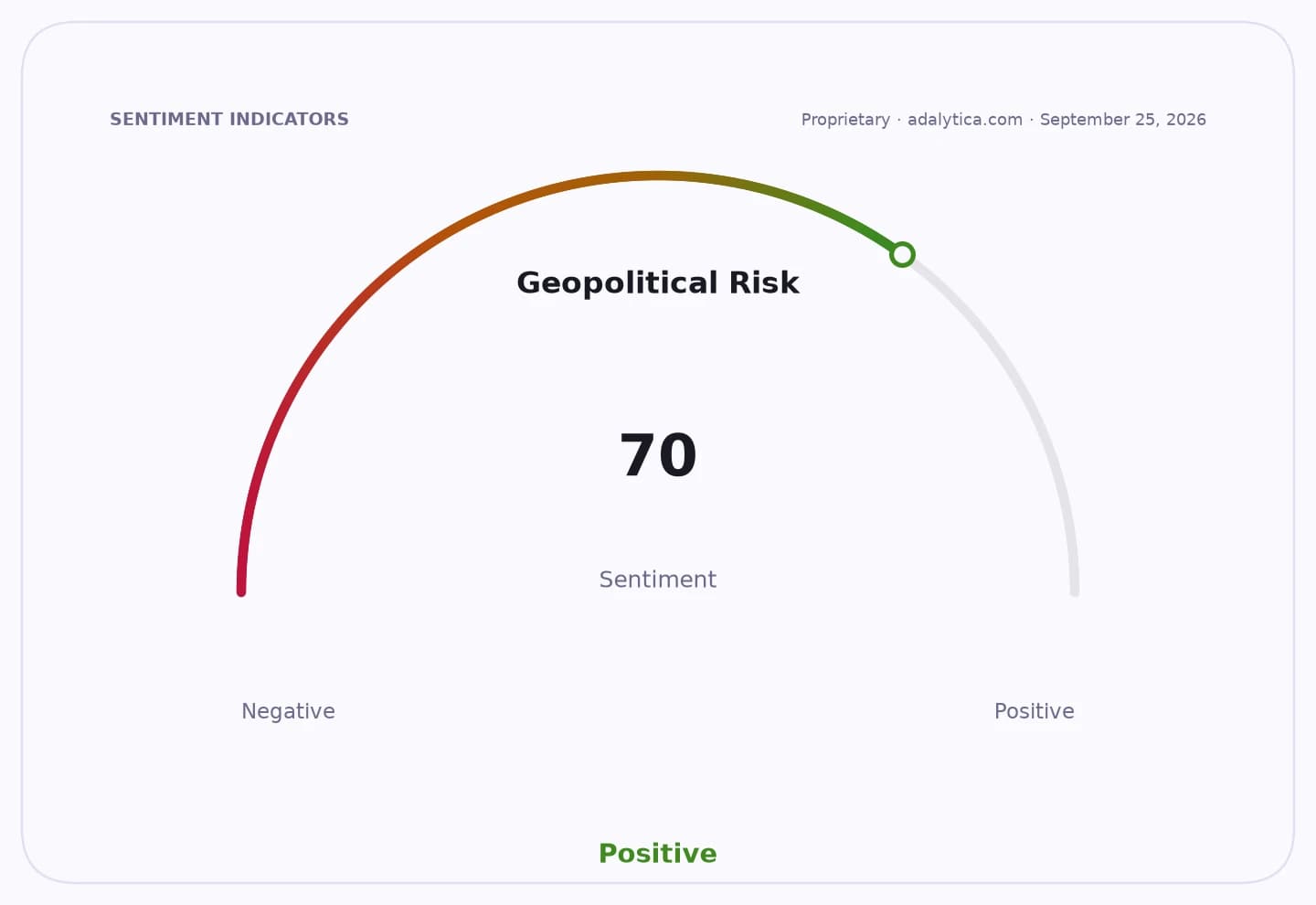
Sentiment IndicatorsⓘProprietary · adalytica.com · July 23, 2026
This is a snapshot — live sentiment, awareness and momentum for 130+ markets update continuously in the dashboard.Open AlphaPulse
The mine disruption also adds another layer of uncertainty for China, the world’s biggest copper consumer, at a time when its growth outlook is being watched closely and tariff fears are keeping commodity markets volatile. Any hit to shipments from Pakistan could squeeze concentrate availability for Chinese processors, especially if the shutdown lasts or the security situation worsens.
That is reinforcing the bull case for miners with stable output and low-cost assets. Southern Copper, Freeport-McMoRan and Teck have all benefited from firm copper prices, while shares of Southern Copper were still up sharply this year even after some recent pullback. Freeport-McMoRan has also held gains despite a more choppy session in the stock, reflecting investor confidence that supply disruptions can offset softer demand.
The broader market backdrop remains supportive. Brent crude near $84.98 a barrel and the U.S. 10-year Treasury yield around 4.64% point to a macro environment where inflation and financing costs are still a concern, while copper’s strength continues to be driven by supply-side shocks rather than a clean demand recovery. Technical readings on copper futures show the metal trading above its 50-day moving average, with RSI back in positive territory, suggesting the rally has not yet run out of momentum.
For investors, the key question is whether the mine disruption becomes a one-off security event or another sign that geopolitical risk is becoming a structural feature of the copper trade. Any escalation could keep prices elevated into the next round of miner results, while prolonged disruption would benefit producers with diversified output and hurt Chinese buyers dependent on imported concentrate.
| Entity | Gains | Losses |
|---|---|---|
| Copper miners with diversified output | ▲Higher realized prices | ▼Less pricing power risk |
| Chinese smelters and processors | ▲None | ▼Tight concentrate supply |
| Southern Copper, Freeport-McMoRan, Teck | ▲Better margins | ▼Near-term volatility |
| Copper buyers and industrial users | ▲None | ▼Higher input costs |