Pakistan has taken the chair of a United Nations-backed borrowers’ platform at a moment when its own debt burden, refinancing needs and interest bill have become a defining constraint on the economy.
Pakistan Leads UN-Backed Borrowers Platform
The move gives Islamabad diplomatic visibility inside a group created to amplify the voice of more than 30 developing and heavily indebted countries, but it does not ease Pakistan’s own financing stress. With external obligations of $138.8 billion and annual hard-currency debt service needs estimated at $21.5 billion to $23 billion, the country is trying to recast itself from a borrower under pressure into a policy voice for others facing the same squeeze.
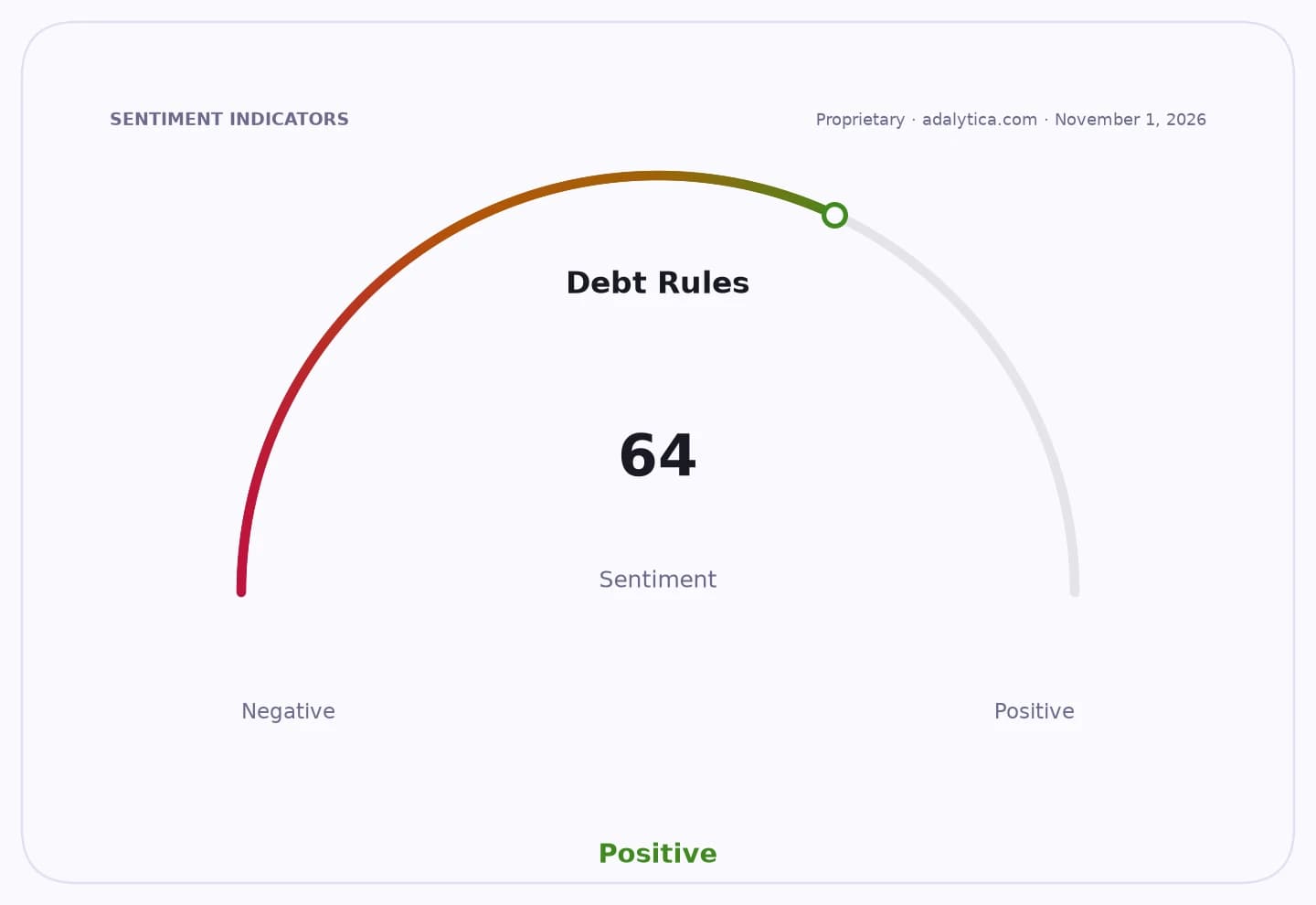
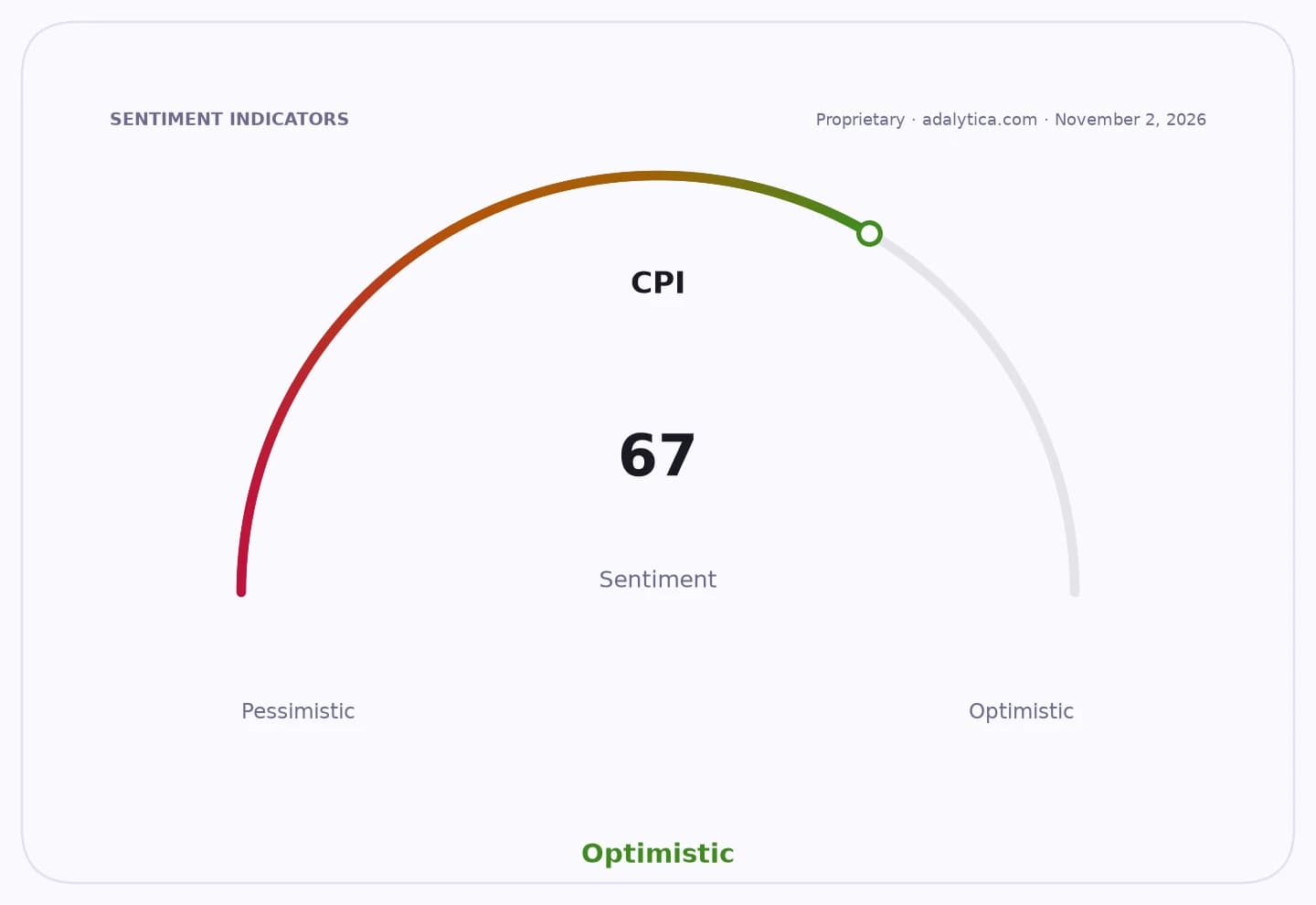
Sentiment Indicators
That tension is the story. Pakistan’s appointment to lead the Global Borrowers Platform, launched with support from UNCTAD, underscores how sovereign debt distress has become a shared problem across the developing world as higher global rates, weaker growth and tighter credit conditions raise the cost of rolling over liabilities. For governments already dependent on multilateral lenders and bilateral creditors, the issue is no longer just how much they owe, but how much they must pay each year simply to stay current.
Pakistan’s own balance sheet explains why its role resonated. Of the $138.8 billion external debt stock, about $22 billion is owed to the World Bank, $16.8 billion to the Asian Development Bank and $9.2 billion to the IMF. China accounts for $23.5 billion, or roughly 22% of the total, while Saudi Arabia is owed about $5.5 billion. Commercial borrowing, largely from Chinese banks, totals around $7.5 billion, and Eurobonds and sukuk add another $7 billion or so. That mix leaves Pakistan exposed to the markets, to bilateral lenders outside the Paris Club and to the timing of deposit rollovers.
The economic pressure is most visible in the interest bill. Pakistan’s foreign public debt interest payments have risen more than 80% to $3.59 billion as global rates climbed, while debt servicing consumes about 40% to 50% of federal budget revenue. That leaves limited room for development spending, tax relief or countercyclical support, and helps explain why successive governments have turned repeatedly to the IMF for rescue packages and austerity-backed reforms.
For investors, the platform chairmanship is meaningful less as a funding event than as a signal of policy continuity. Islamabad is trying to show that it can manage complex creditor relationships, including with China and other non-Paris Club lenders, and that it understands the mechanics of restructuring, deposit rollovers and fiscal adjustment. That may help burnish credibility with official lenders. But it also highlights how little room Pakistan has to absorb shocks from higher oil prices, faster US rates or weaker exports without renewed external support.
Oil and rates remain the key external variables. Brent-linked import costs and global financing conditions can quickly widen Pakistan’s current-account pressure and increase refinancing risk. In that sense, the broader backdrop is still hostile even if the diplomatic role is useful. The platform may let Pakistan help shape the debate on sovereign debt architecture, but it does not change the arithmetic at home.
For markets, the main takeaway is that Pakistan remains a high-beta sovereign story, where policy execution, reserve support and creditor confidence matter more than symbolism. The UN role may improve Islamabad’s standing in multilateral forums, but investors will watch for progress on revenue mobilization, energy-sector reform and the pace of external rollovers before assigning any lasting credit benefit.
| Entity | Gains | Losses |
|---|---|---|
| Pakistan government | ▲Diplomatic visibility | ▼No debt relief |
| Debtor countries | ▲Shared technical platform | ▼No collective bargaining power |
| Multilateral lenders | ▲Better policy dialogue | ▼More pressure to coordinate |
| Investors in Pakistan debt | ▲Reform signal | ▼Ongoing refinancing risk |