Pakistan’s federal government is struggling to move 1 million tonnes of imported wheat after Punjab and Sindh refused to buy the grain, a setback that risks tightening flour supplies and deepening pressure on public finances.
Pakistan wheat import plan stalls as provinces refuse
The refusal by the country’s two biggest provinces matters because they account for most of Pakistan’s wheat consumption and milling demand. Without provincial buying, the federal plan to stabilize the market becomes far harder to execute, leaving Islamabad with a larger import bill, more storage and logistics costs, and less room to manage food inflation.
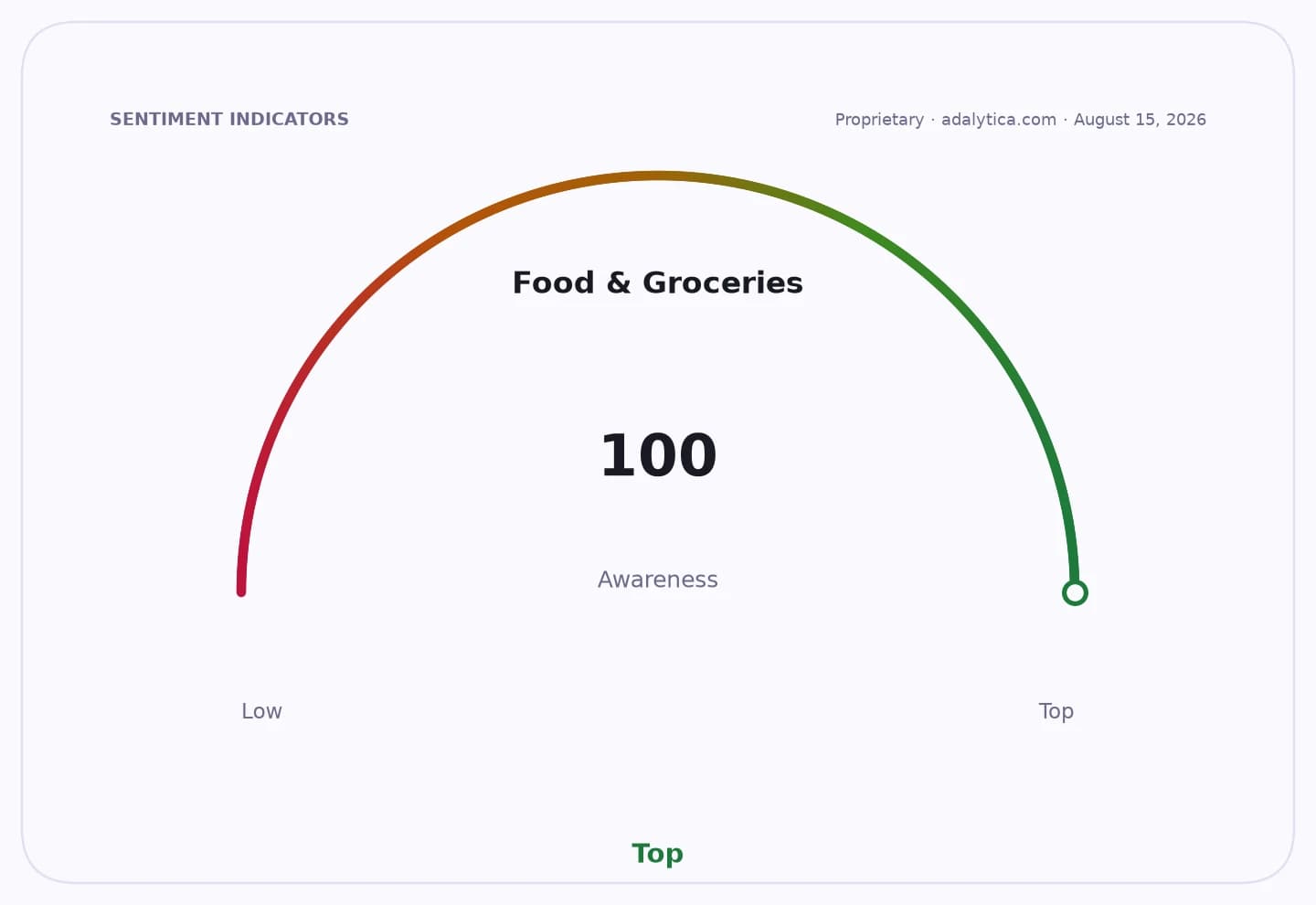
Sentiment IndicatorsⓘProprietary · adalytica.com · August 15, 2026
This is a snapshot — live sentiment, awareness and momentum for 130+ markets update continuously in the dashboard.Open AlphaPulse
That comes at a sensitive time for consumers and policymakers. Food prices remain a flashpoint in Pakistan, and any delay in bringing imported wheat into the domestic chain can feed through to flour, roti and broader household costs. It also increases the risk that the federal government will have to absorb more of the distribution burden itself, rather than offloading it to the provinces.
Global grain markets add another layer of pressure. Wheat has been firm in recent trading, with Chicago wheat futures near recent highs as weather risks and war-related supply concerns keep traders cautious. Benchmark crude and broad commodity gauges also point to a still-inflationary backdrop, which can amplify the cost of imported food for a country that relies on foreign currency to secure staples.
For investors, the immediate takeaway is that Pakistan’s wheat supply chain remains politically fragmented and financially exposed. The standoff raises the odds of higher subsidy costs, more expensive imports and renewed sensitivity in domestic consumer prices, especially if the government is forced to move quickly to prevent shortages.
Market watchers will be looking for whether Islamabad can win provincial cooperation, reroute the grain through state channels or scale back the import program altogether. Any failure to do so could keep flour prices elevated and complicate Pakistan’s wider fight to rein in inflation and stabilize its external accounts.
| Entity | Gains | Losses |
|---|---|---|
| Punjab and Sindh | ▲Budget flexibility | ▼Import burden |
| Federal government | ▲Potential leverage | ▼Supply plan stalls |
| Wheat importers | ▲Possible state orders | ▼Delays and risk |
| Pakistani consumers | ▲Possible future supply relief | ▼Higher flour prices |




