Palantir shares are drawing attention after CTO Shyam Sankar said China’s artificial intelligence models are built on “stolen American IP,” sharpening investor focus on a fast-moving U.S.-China tech rivalry that could shape who wins enterprise AI contracts and who faces export, legal and procurement risk.
Palantir Gains on China AI IP Scrutiny
The comment matters because it puts intellectual-property theft at the center of the AI race just as China starts approving more generative AI models and U.S. companies push to commercialize AI abroad. For investors, that raises the odds of tougher scrutiny of Chinese AI developers, more pressure on Western firms doing business with Chinese counterparts and a louder policy debate over how much advanced software can flow across the Pacific.
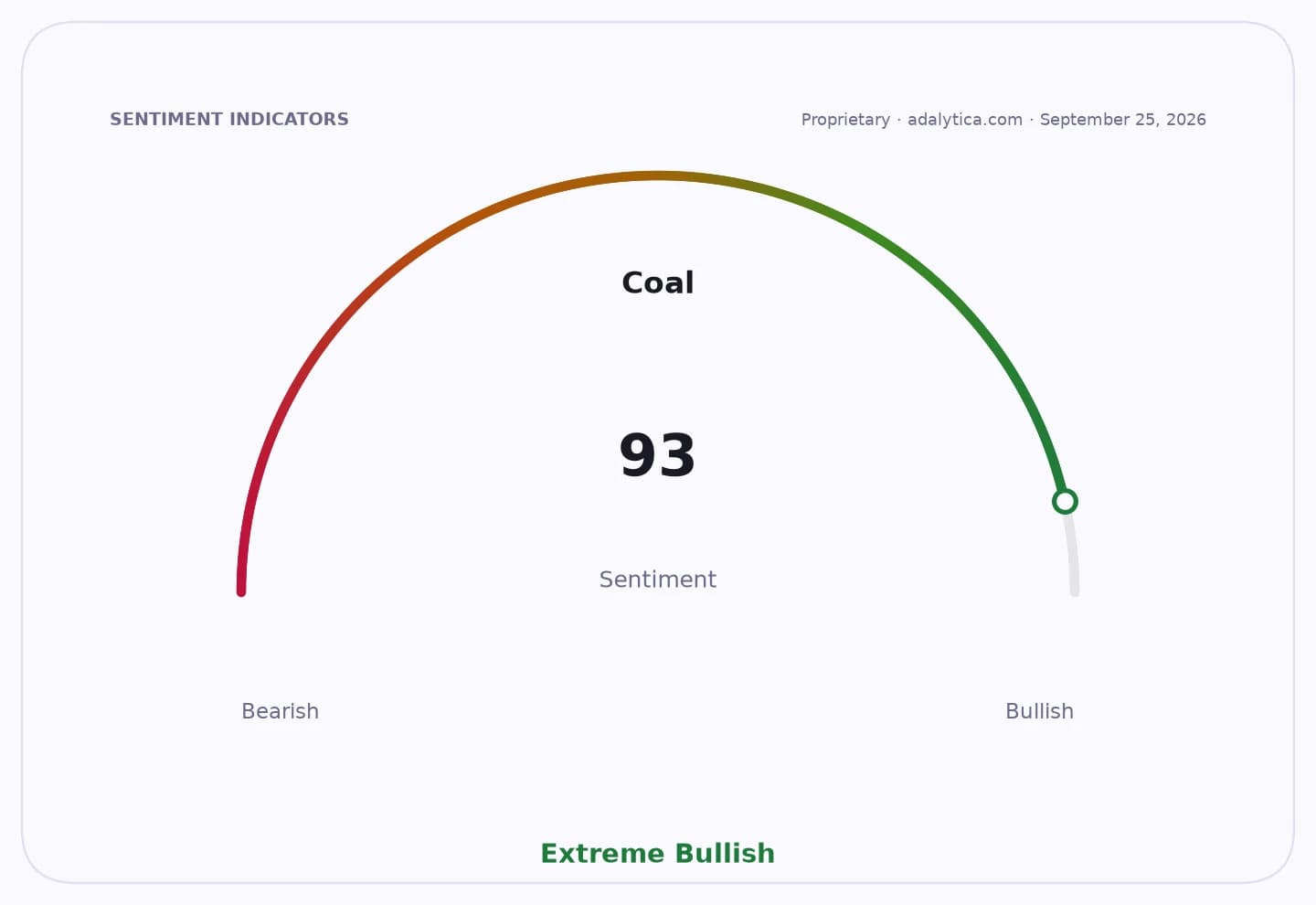
Sentiment IndicatorsⓘProprietary · adalytica.com · July 15, 2026
This is a snapshot — live sentiment, awareness and momentum for 130+ markets update continuously in the dashboard.Open AlphaPulse
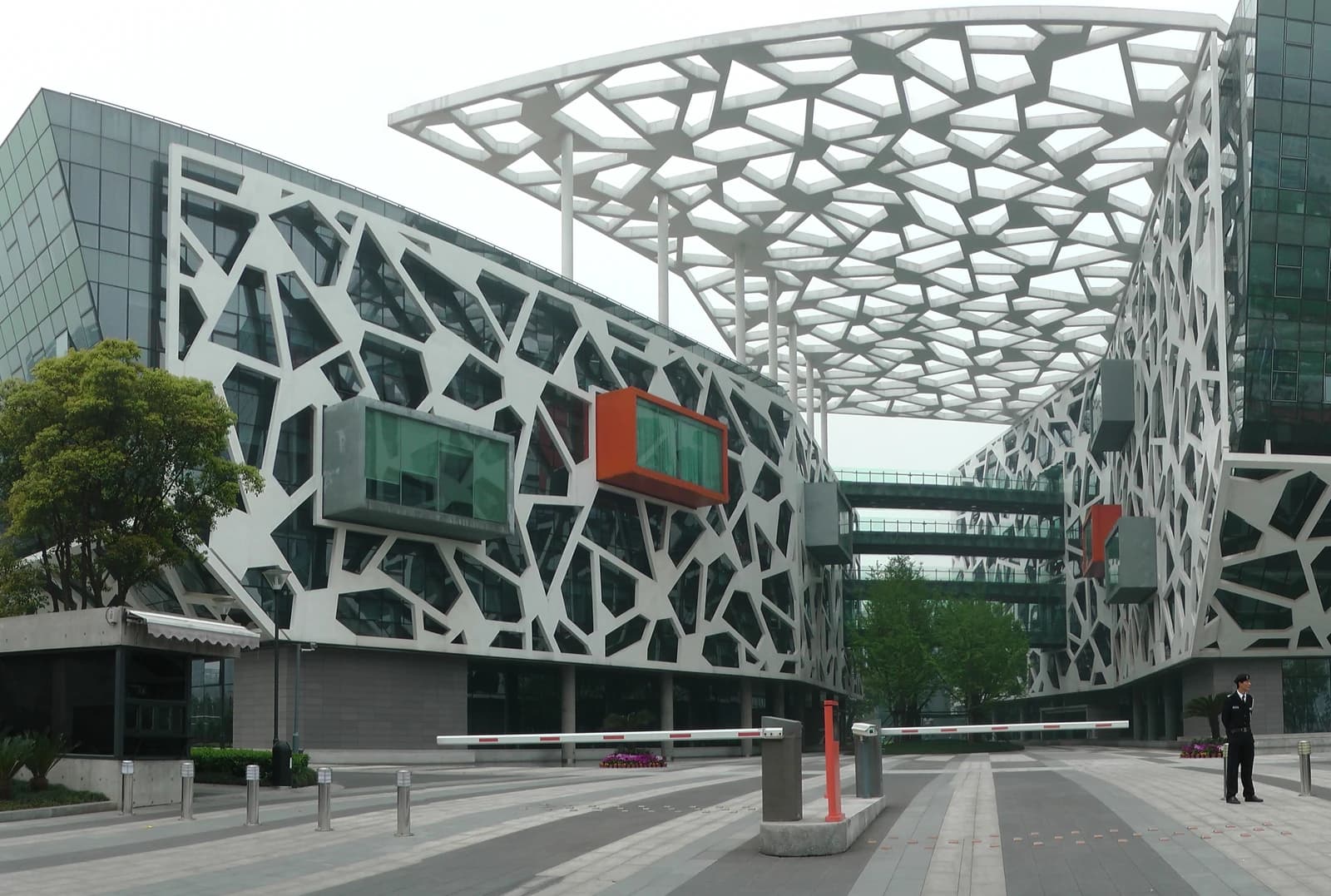
The backdrop is especially relevant for Alibaba, whose stock has been tied to the widening China AI opportunity and to Apple’s push to bring AI features to Chinese users through a partnership with Alibaba. Any perception that Chinese models are tainted by copied American technology could complicate that narrative, even as Beijing opens the door to more mobile-focused AI tools.
Palantir itself is not a direct supplier to China’s consumer AI market, but the company has made its business on sensitive government and enterprise data, security tooling and U.S.-aligned defense relationships. Sankar’s remarks reinforce the pitch that Palantir sells trust as much as software, a message that can support premium valuation multiples when geopolitical risk is rising.
Alibaba Group vs PLTRadalytica.com
Explore this data interactively — full history, time series and cross-market comparisons.Open AlphaPulse
The stock has been volatile but remains near $133.76, up from a June low of $107.27 and above its 50-day moving average of $132.78. The 71.2 RSI reading signals the shares are still stretched after the rebound, while the price remains well below the 200-day moving average of $156.08, showing the longer-term trend is not fully repaired.
Adalytica’s proprietary sentiment gauge on Alibaba shows “Greed” at 85, while its global stability snapshot sits at “Extreme Fear,” underscoring how investors are simultaneously chasing AI upside and hedging geopolitical risk. That mix can keep money rotating into U.S. names seen as beneficiaries of security, compliance and AI infrastructure, while pressuring Chinese tech if Washington or Beijing hardens its stance on intellectual property.
The next catalyst is likely to be whether the China AI approval process expands further and whether U.S. policymakers or corporate buyers turn Sankar’s warning into stricter procurement, licensing or litigation risk for China-linked AI platforms.
| Entity | Gains | Losses |
|---|---|---|
| Palantir | ▲Security-premium narrative | ▼Fewer geopolitical fears |
| Alibaba | ▲AI rollout in China | ▼IP-theft scrutiny |
| Apple | ▲China AI feature path | ▼Regulatory/partner risk |
| U.S. AI firms | ▲Tighter IP protection talk | ▼Broader China exposure |