Pandora’s aggressive move toward platinum is becoming one of the clearest signals yet that the precious-metals trade is changing, even as silver prices stumble.
Pandora shifts jewelry demand toward platinum

That matters because jewelry demand is one of the biggest real-world uses for precious metals, and when a major brand shifts its mix, it can change the flow of metal through the supply chain, the margins of miners and refiners, and ultimately the way investors value the whole complex. Platinum has been volatile, but the market is also sending a clear message: the metal is drawing fresh attention at a time when silver is losing momentum.
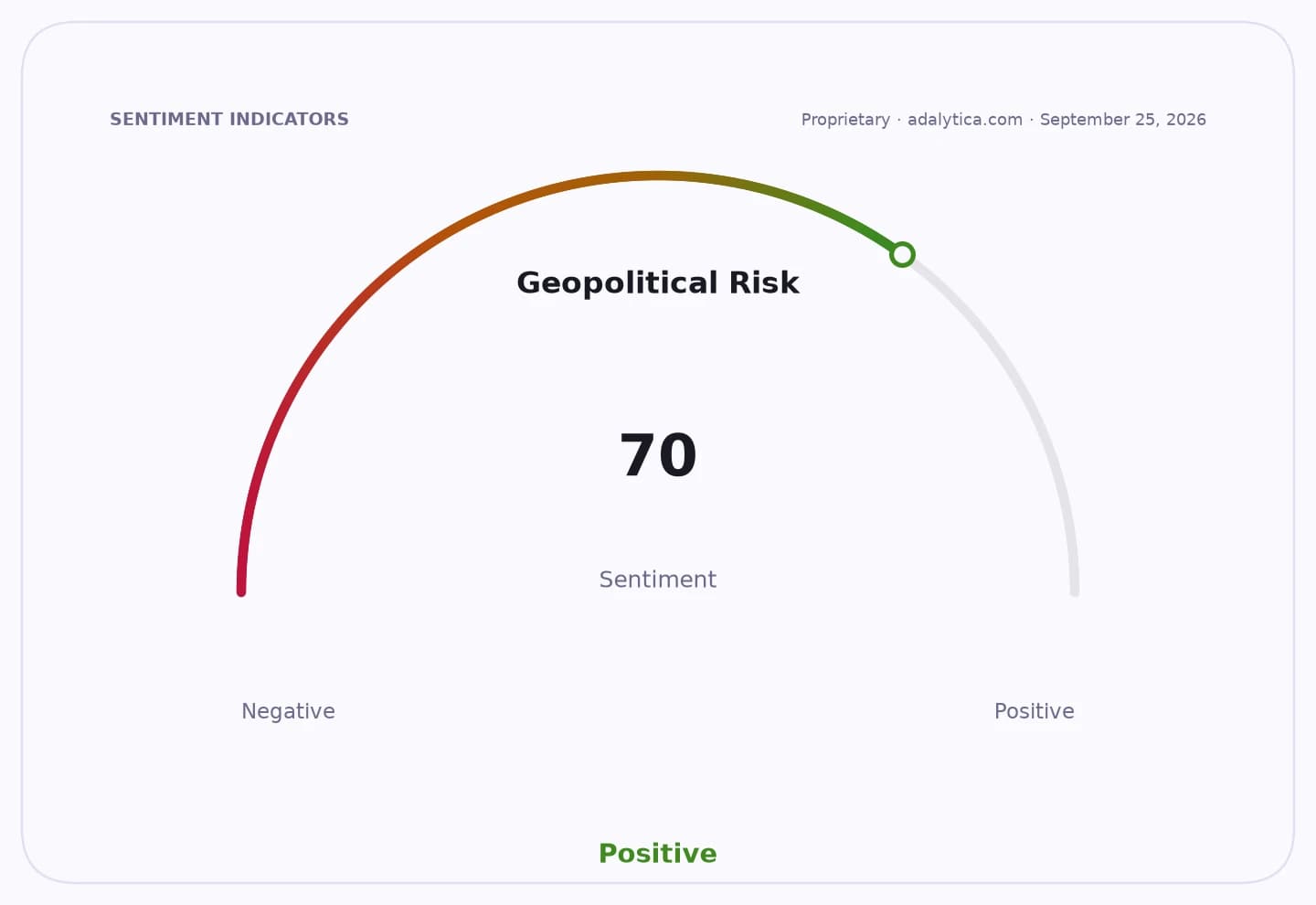
Sentiment IndicatorsⓘProprietary · adalytica.com · August 15, 2026
This is a snapshot — live sentiment, awareness and momentum for 130+ markets update continuously in the dashboard.Open AlphaPulse
The best evidence is in the price action. The abrdn Platinum ETF Trust, PPLT, finished Aug. 14 at $15.87, up from $15.54 the day before, while still sitting below its 200-day moving average of $17.42. That tells investors platinum is recovering, but not yet fully convincing the market that the trend has turned durable. The iShares Silver Trust, SLV, also edged higher to $58.48, yet silver has been far more erratic, after a much larger December run that pushed it to $71.12 and briefly drove its RSI above 87, a classic sign of overheated trading.
The real narrative is that platinum is benefiting from a mix of industrial and luxury demand that silver does not have in the same way. Pandora’s shift away from silver and toward platinum reflects a consumer-facing preference for a more premium metal, and that can support pricing power for the companies that mine and process platinum-group metals. JSE-listed Impala Platinum, or Implats, has already said stronger metal prices should improve full-year earnings, underscoring how quickly a better price backdrop can flow through to producers.
Investors should also note that this is not a simple straight-line bull case. Platinum still has to prove it can hold above the closely watched $1,750 level mentioned by market participants, and the spot market remains marked by weak consumption and persistent contango. In plain English, that means the market is not short of caution even after the recent bounce. For silver, the story is even less compelling near term: the metal has seen big swings, but the broad trend has been choppy and the recent pullback suggests the market is digesting the earlier surge rather than extending it.
The broader takeaway is that precious metals are no longer moving as one trade. Gold is still flashing greed, with Adalytica’s Gold Fear & Greed Index at 80, while the S&P 500 trade signal has cooled to neutral. That mix helps explain why investors are rotating selectively within commodities rather than simply buying everything with a shiny finish.
For long-term investors, the important point is not whether platinum or silver wins this week. It is that shifting industrial and jewelry demand can create multi-year opportunities in a market that often looks inert until it suddenly isn’t. Pandora’s pivot is worth watching because it could mark the kind of demand reallocation that helps platinum reclaim a stronger place in precious-metals portfolios. For patient investors, that makes platinum exposure worth keeping on the watchlist, even if silver remains the more familiar name.
| Entity | Gains | Losses |
|---|---|---|
| Pandora | ▲Premium positioning | ▼Silver dependence |
| Platinum miners | ▲Stronger pricing power | ▼Inventory pressure |
| Silver holders | ▲Brief rebounds | ▼Momentum fade |
| Platinum investors | ▲Repricing upside | ▼Weak demand risk |