Paper gains are becoming one of the cleanest ways for companies to supercharge reported earnings, and the latest results show why investors should care: when asset prices, strategic holdings and fair-value marks move higher, profits can surge without any corresponding improvement in day-to-day operating performance.
Paper Gains Lift Reported Earnings Across Companies
That matters because the economy is sitting in a rate regime that rewards financial assets while punishing long-duration capital. The 10-year Treasury yield is holding near 4.73%, the fed funds rate is around 3.63% and inflation is still running above 332 on the CPI index, a combination that keeps market values moving across equities, credit and private holdings. In that environment, unrealized gains are not just accounting noise. They can become a material earnings engine for banks, insurers, industrial conglomerates and listed investment vehicles.
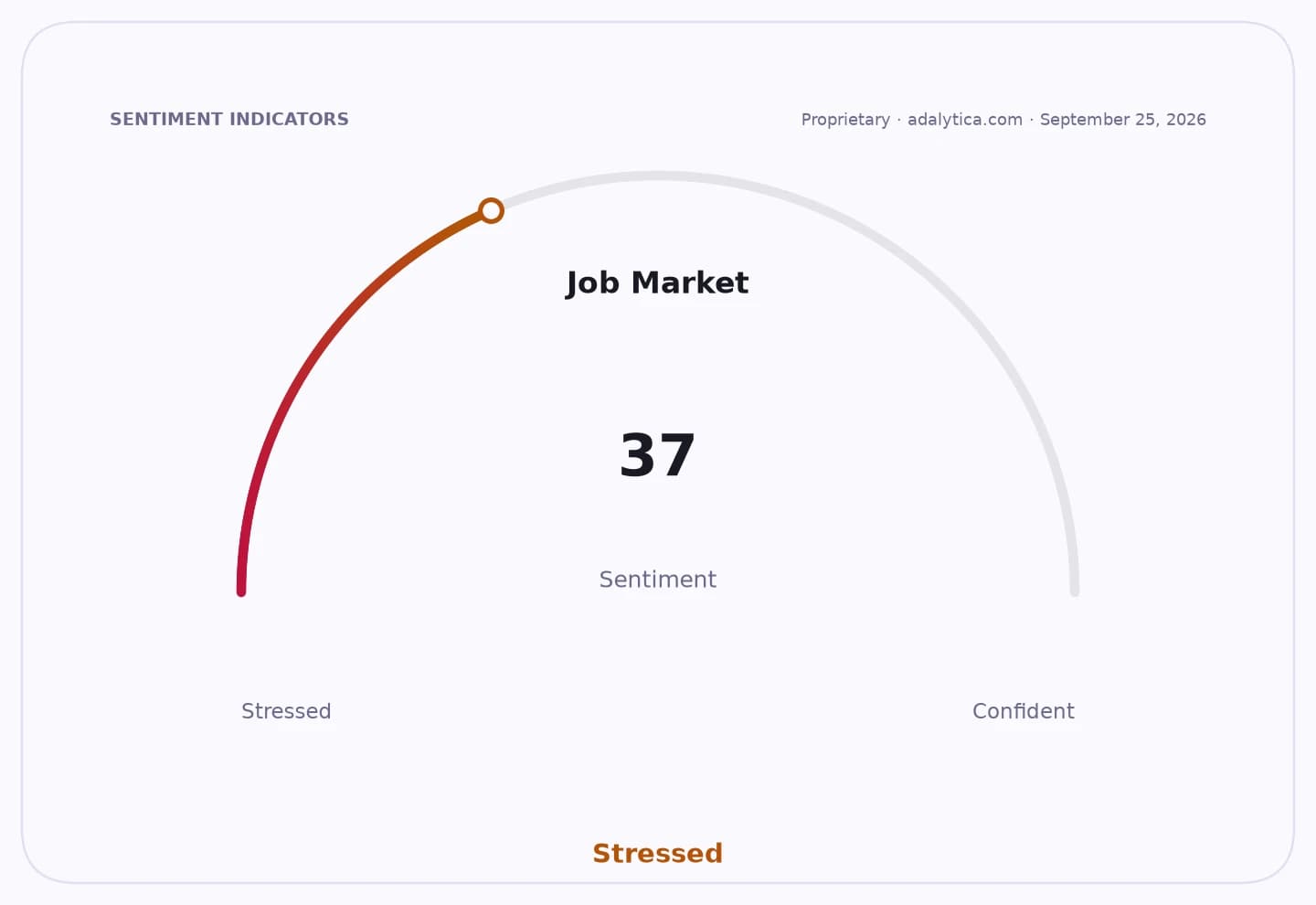
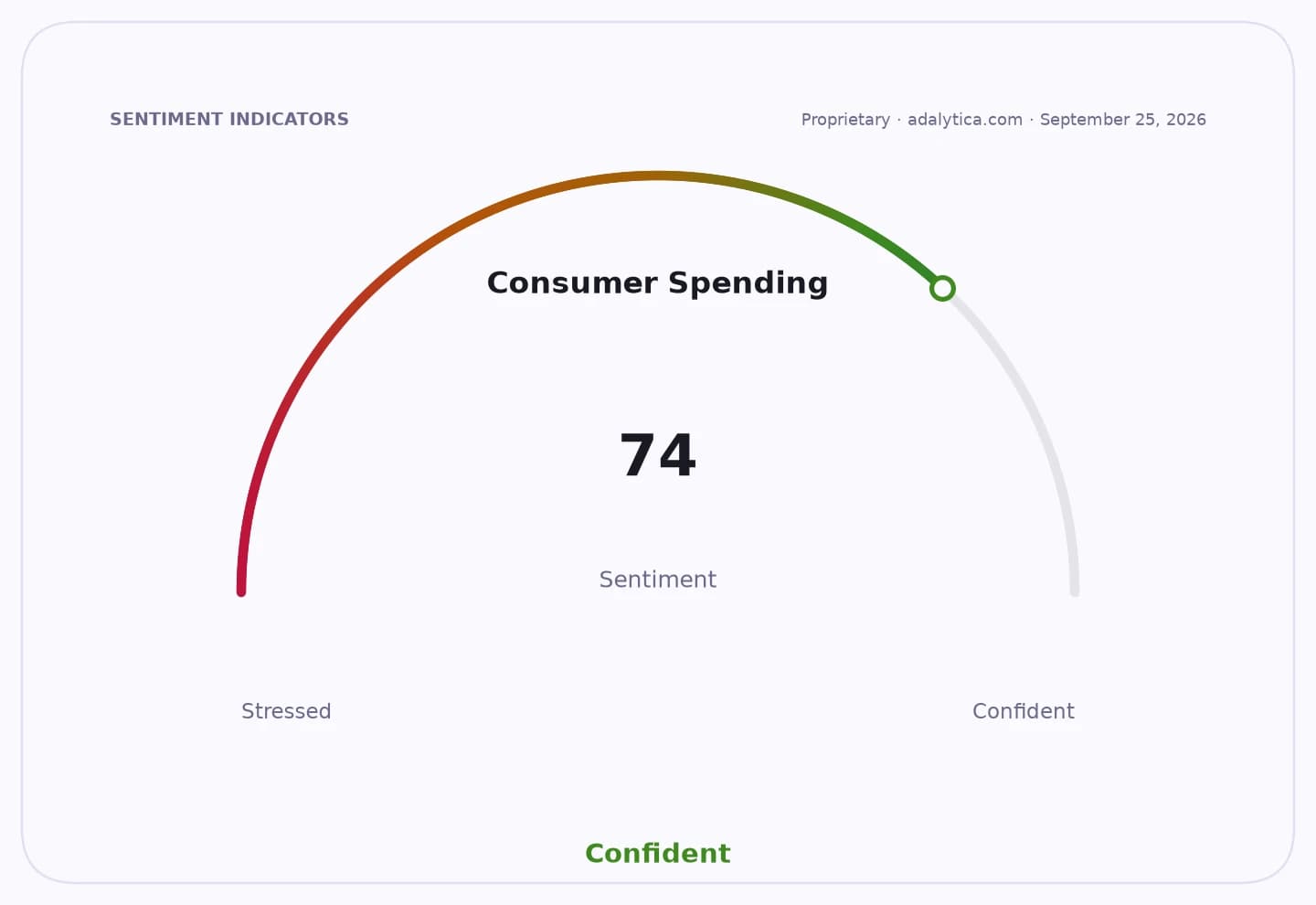
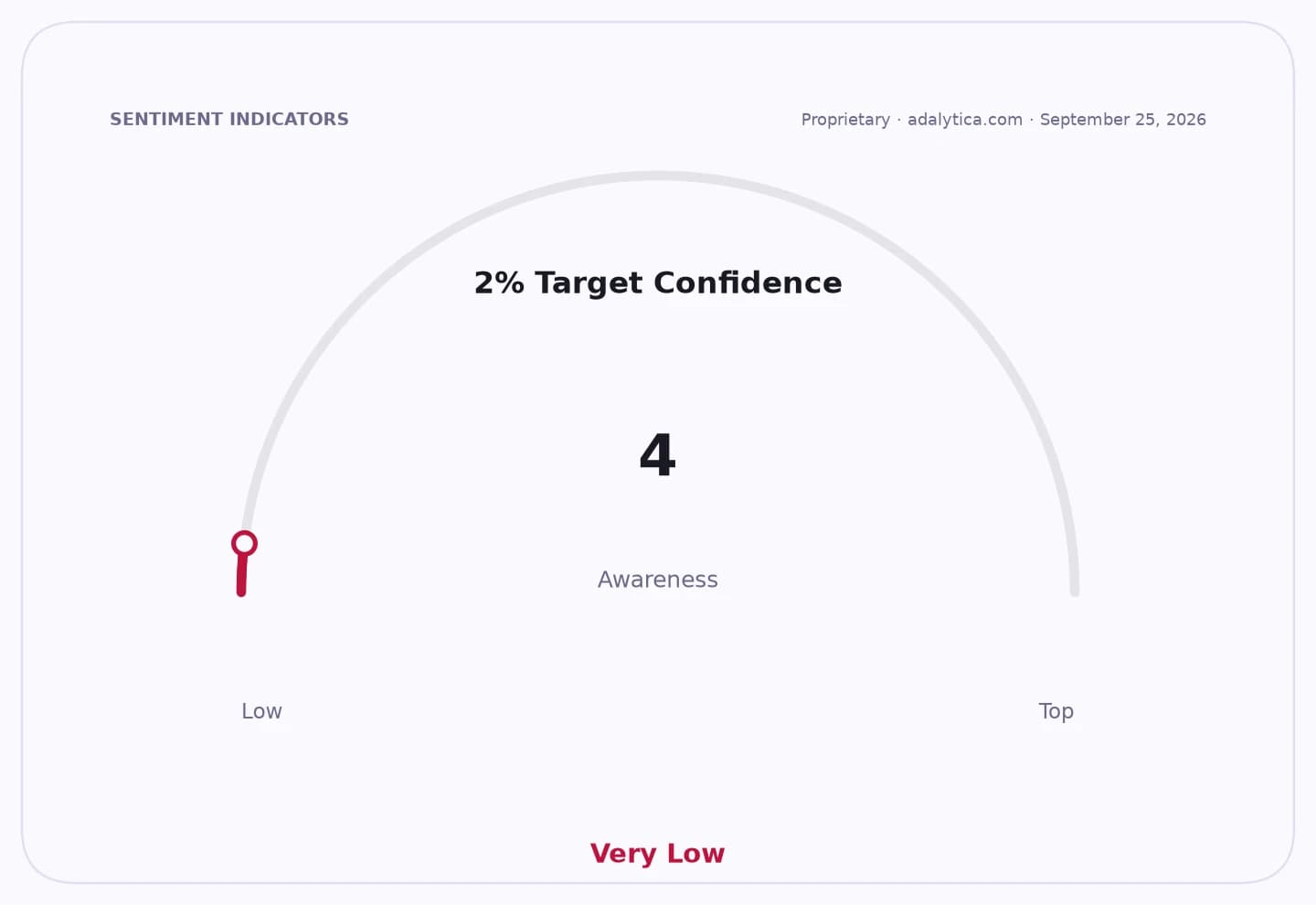
Sentiment IndicatorsⓘProprietary · adalytica.com · August 20, 2026
This is a snapshot — live sentiment, awareness and momentum for 130+ markets update continuously in the dashboard.Open AlphaPulse
Alphabet offered the starkest example. The company reported a $94 billion paper gain tied to SpaceX in the second quarter, helping lift reported net income to $112 billion and driving a 300% jump in profit. That kind of revaluation is the purest form of earnings inflation: no new product launch, no surge in ad pricing, no step-change in operating leverage, just a mark-up in the value of an asset already on the balance sheet or disclosed in investments. For shareholders, the headline number can look extraordinary, but the cash flow story may be far more ordinary.
The same dynamic is showing up across financial markets. Goldman Sachs said first-half investment banking revenue rose 52% from a year earlier, while second-quarter net revenue climbed 39%, underscoring how higher deal activity, trading and fair-value marks can boost earnings in a volatile market. JPMorgan also posted a $4.6 billion net gain in the quarter from its Visa share exchange, a reminder that even the biggest lenders can see reported profit swing on one-off investment events. When rates stay elevated and asset prices remain bid, the winners are firms with large portfolios, strategic stakes and trading books; the losers are businesses tied to fixed income, slower deal flow or assets that do not reprice as quickly.
Outside the United States, the pattern is just as clear. Zain Group said first-half profit jumped 73% on investment gains, while Nippon Paper Industries booked a record 220 billion yen sale of Lintec shares and expects extraordinary profits by fiscal 2027. Vista Energy’s stock also rose after Thiel Macro took a stake, showing how capital-mark-to-market gains and investor enthusiasm can reinforce one another. In each case, the reported earnings boost comes from the balance sheet as much as from the operating statement.
For investors, the key is to separate durable earnings power from paper-rich earnings that can vanish as fast as they appear. Gains from asset sales, equity stakes and fair-value accounting can support share prices in the short term, but they are inherently cyclical and often tied to market conditions that can reverse abruptly. That is especially relevant now, with Treasury-bond sentiment flashing fear and the market’s broad sentiment gauge from Adalytica showing neutral overall readings even as awareness remains elevated.
The opportunity is to own the businesses that repeatedly harvest these marks while keeping a margin of safety around the headline profits. That favors diversified financials, asset managers, exchanges, insurers with large investment books and industrials sitting on valuable strategic stakes. It also argues for caution on names where earnings strength depends too heavily on unrealized gains. The market underestimates how much of today’s profit growth is really a valuation story — and valuation stories can turn fast.
| Entity | Gains | Losses |
|---|---|---|
| Companies with strategic stakes | ▲Higher reported earnings | ▼Profit quality concerns |
| Banks and asset managers | ▲Trading and mark-to-market gains | ▼Volatile comp base |
| Long-duration bond holders | ▲— | ▼Lower marks, rate pressure |
| Investors chasing headline EPS | ▲Short-term upside | ▼Reversal risk when gains fade |