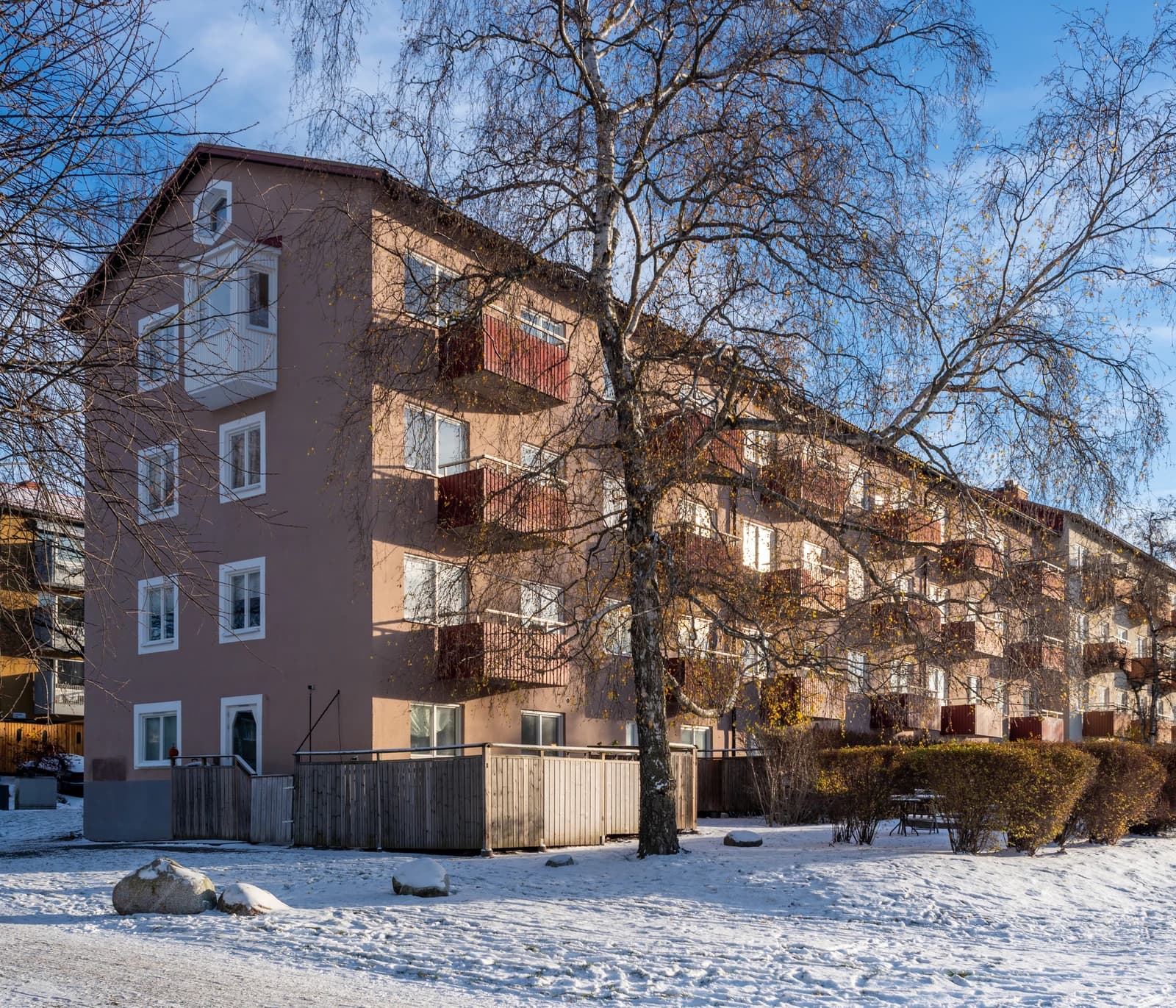
The biggest takeaway from Paris’s decision to double its tax on vacant housing is not the tax itself, but what it says about a world still struggling with chronic housing shortages and the value of existing property stock. For long-term real estate investors, that matters because when cities push empty homes back into use, they are trying to do with policy what the market has struggled to do on its own: increase effective supply without waiting years for new construction.
Paris Vacancy Tax Supports Real Estate Thesis

Paris says the higher levy, set for 2027, is designed to bring roughly 20,000 empty properties back into the rental market. That is economically important because vacant homes are a kind of trapped asset — capital that is not earning income and housing that is not serving demand. If the policy works, it could ease rent pressure and improve housing availability in a city where supply has been tight for years. If it fails, it still underscores how severe the shortage has become.
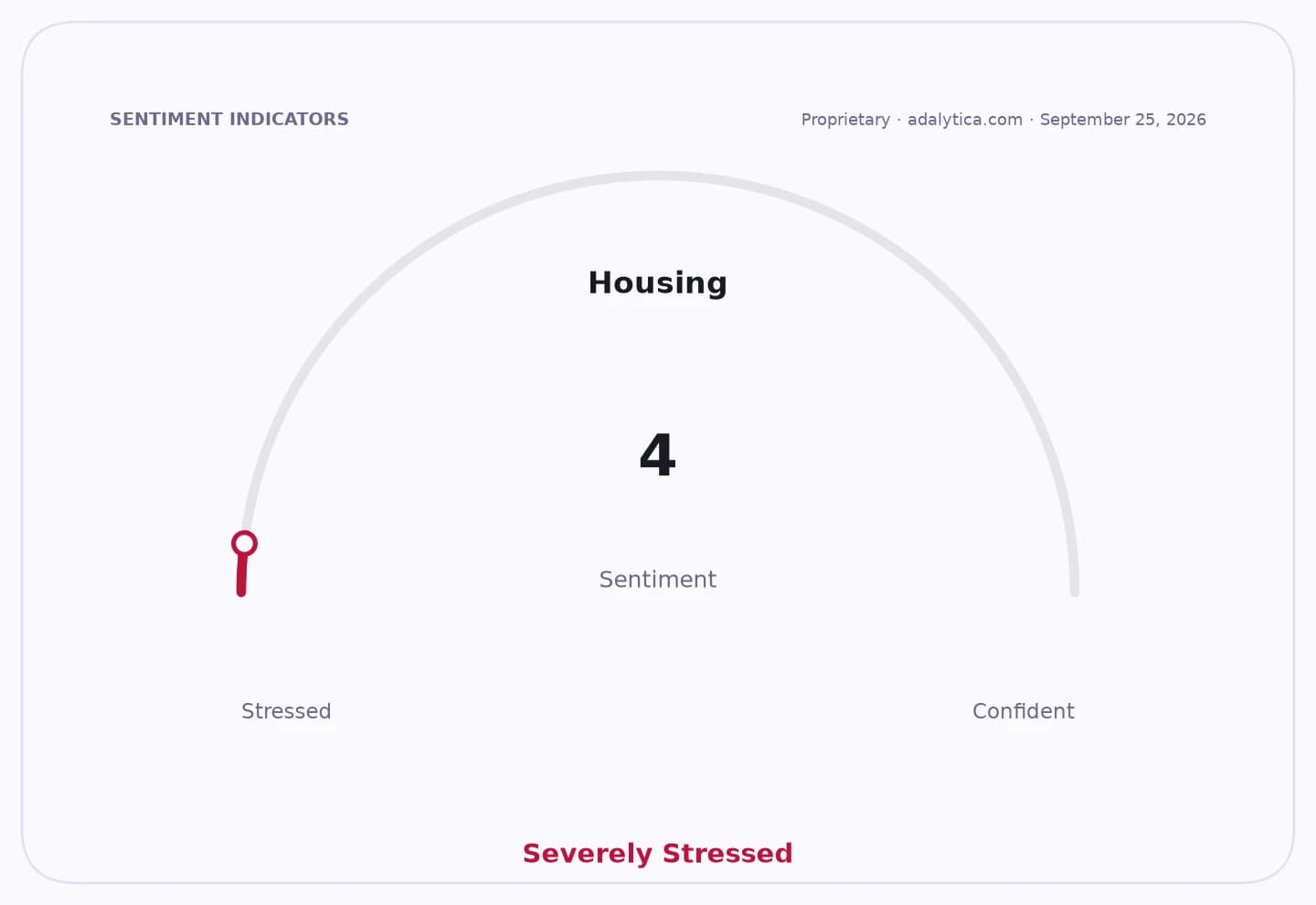
For investors, the lesson is broader than one city. Housing scarcity tends to support occupancy, rental pricing power and asset values for owners of well-located, income-producing real estate. That is the kind of backdrop that can be favorable for diversified real estate vehicles such as VNQ, especially when new construction remains subdued and existing stock becomes more valuable. In other words, scarcity can be a tailwind for quality landlords and property owners even as it squeezes households and policymakers.
The market context also argues for patience. VNQ has climbed above its 50-day and 200-day moving averages, and recent momentum has been strong, even if conventional indicators such as RSI suggest the fund has moved into stretched territory at times. That tells you investors are already paying up for real estate exposure, likely on the expectation that rates, yields and property fundamentals will eventually settle into a more supportive balance.
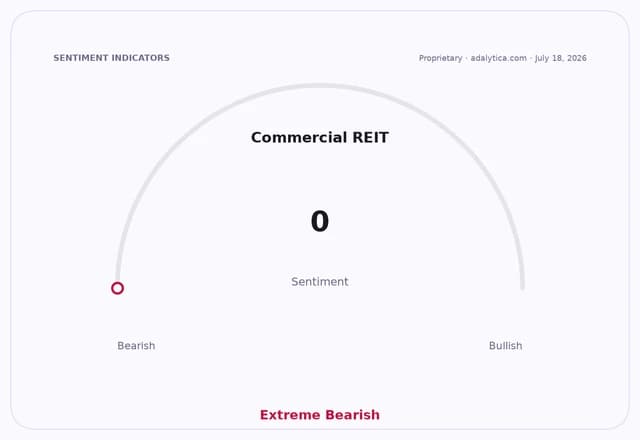
At the same time, sentiment in commercial real estate has turned sharply fearful even as awareness remains high, which usually means the asset class is still widely watched but not yet fully trusted. That kind of divide can create opportunity for investors with a multi-year horizon. When headlines are dominated by taxes, vacancies and policy fixes, it is often a sign that the underlying asset class remains central to the economy and still under-owned relative to its long-term role.
The long-term takeaway is simple: governments keep looking for ways to unlock housing supply, and that makes prime real estate more, not less, relevant. For investors, the best response is usually not to chase the news, but to own diversified exposure, stay patient, and focus on income, quality and compounding. Paris’s move is worth watching, and so is the broader real estate setup.
| Entity | Gains | Losses |
|---|---|---|
| Renters | ▲More available housing | ▼Less vacancy-driven scarcity |
| Property owners leasing homes | ▲Higher occupancy potential | ▼Pressure to use or pay taxes |
| Vacancy-tax policymakers | ▲More supply leverage | ▼Risk of enforcement failure |
| Broad REIT investors | ▲Support for occupied assets | ▼Near-term valuation volatility |