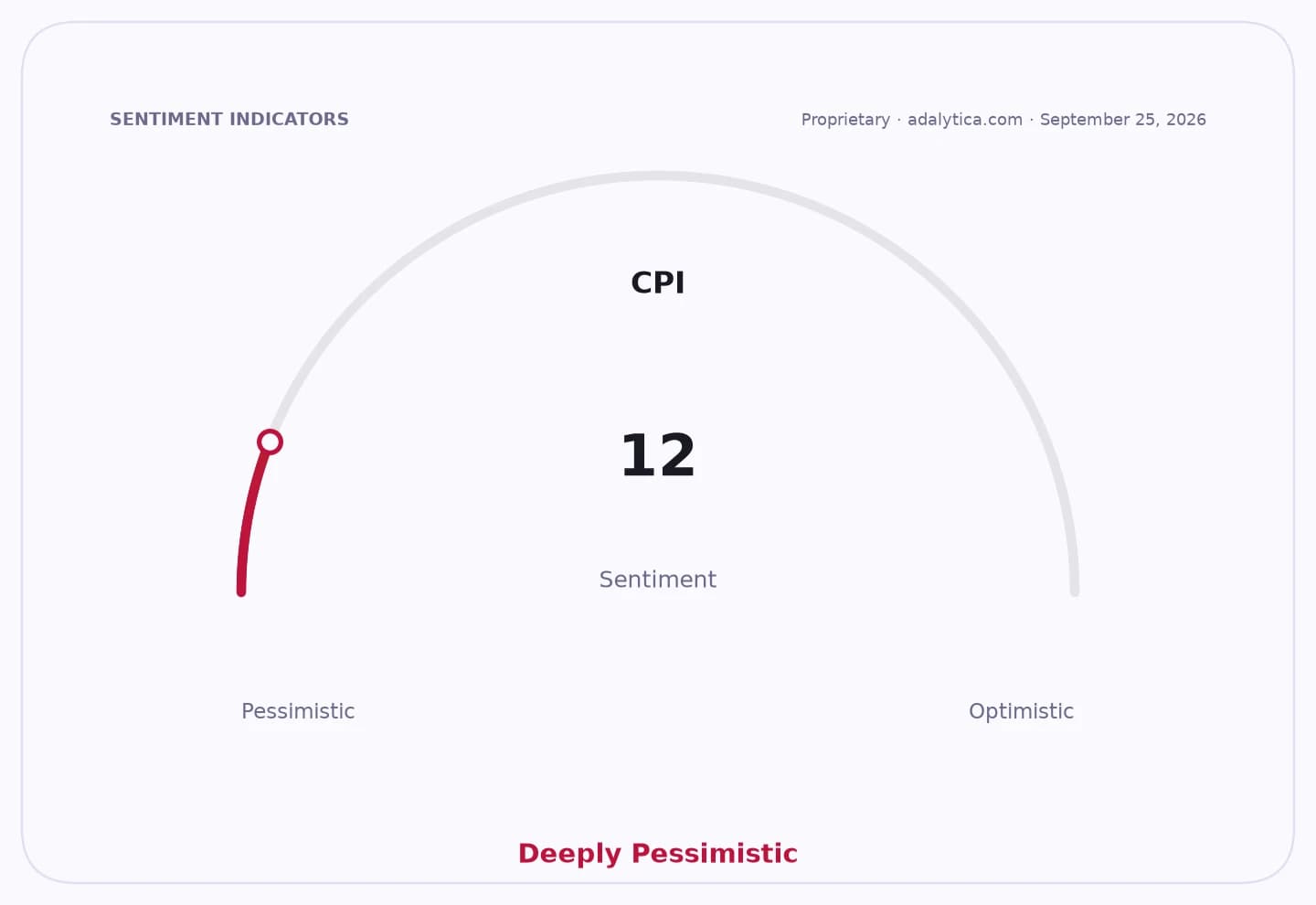
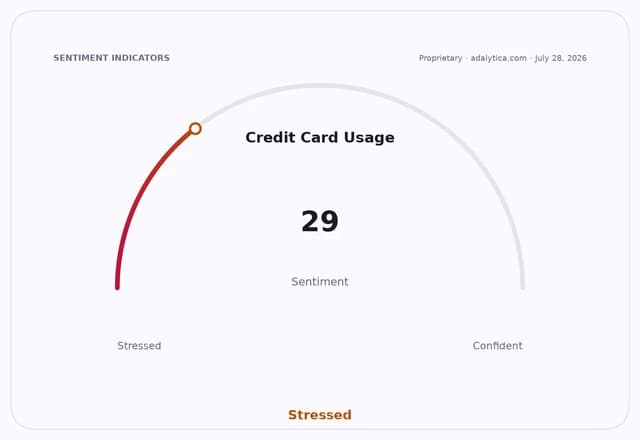
Households are staring at a classic wealth-building decision: keep carrying expensive debt, or use excess cash to wipe it out and then invest the leftovers with far less risk. With debt stress sentiment at 86, or “Extreme Greed,” and credit card usage sentiment sinking to 29, the message is clear: for many borrowers, the smartest first move is to pay off what they owe before chasing returns elsewhere.
Pay Down Debt Before Chasing Returns

That matters because rising debt burdens don’t just squeeze family budgets; they shape spending, savings, and eventually the broader economy. When households are stretched, more income goes to interest instead of consumption and investing, which can slow growth and increase the odds of financial stress. In that environment, eliminating high-rate debt can deliver a guaranteed after-tax return that is often better than what many investors can expect from risky markets.

The recent shift in sentiment also suggests households are becoming more cautious. Credit card sentiment fell 11 points in a day and is down 63 points over the past month, while debt-stress sentiment jumped 29 points in a day and 71 points over the past week. That kind of swing usually reflects a growing recognition that leverage cuts both ways. If borrowing costs stay high, the “house money” approach becomes more than a catchy phrase — it becomes a disciplined way to protect long-term wealth.
For investors, the implication is straightforward. Paying off debt is a risk-free hurdle rate. If your credit card carries a double-digit interest rate, retiring it is equivalent to earning that same return without market volatility, taxes, or the need to guess the next winner in tech, AI, or any other hot theme. Only after the balance is gone does it make sense to redirect cash into diversified assets that can compound for years.
That doesn’t mean every extra dollar should go to debt at the expense of all investing. The best long-term plan is usually balanced: eliminate the most expensive borrowing first, keep an emergency fund, then build a diversified portfolio for the next 3 to 10 years and beyond. For many households, that means broad index funds, high-quality dividend payers, and patiently adding to positions rather than trying to time every move.
The bigger lesson is that debt reduction is itself a form of investing. It improves cash flow, lowers stress, and gives you flexibility when markets turn volatile. In a world where household debt remains a persistent worry and borrowing costs are still a headwind, investors would be wise to treat debt paydown as the foundation of compounding, not the enemy of it. Worth watching — and for many readers, worth acting on now.
| Entity | Gains | Losses |
|---|---|---|
| Debt-free households | ▲Lower interest costs | ▼None |
| Credit card lenders | ▲Higher revolving balances | ▼Faster paydowns |
| Long-term investors | ▲More future cash to deploy | ▼Less capital today |
| Heavily leveraged borrowers | ▲Immediate relief from stress | ▼Lost access to easy credit |