The Pentagon’s plan to spend $400 million on lasers to counter drones is a sign the U.S. military is moving from experimentation to procurement on one of the fastest-growing threats to bases, ships and critical infrastructure.
Pentagon plans $400 million laser spending for counter-drone defense
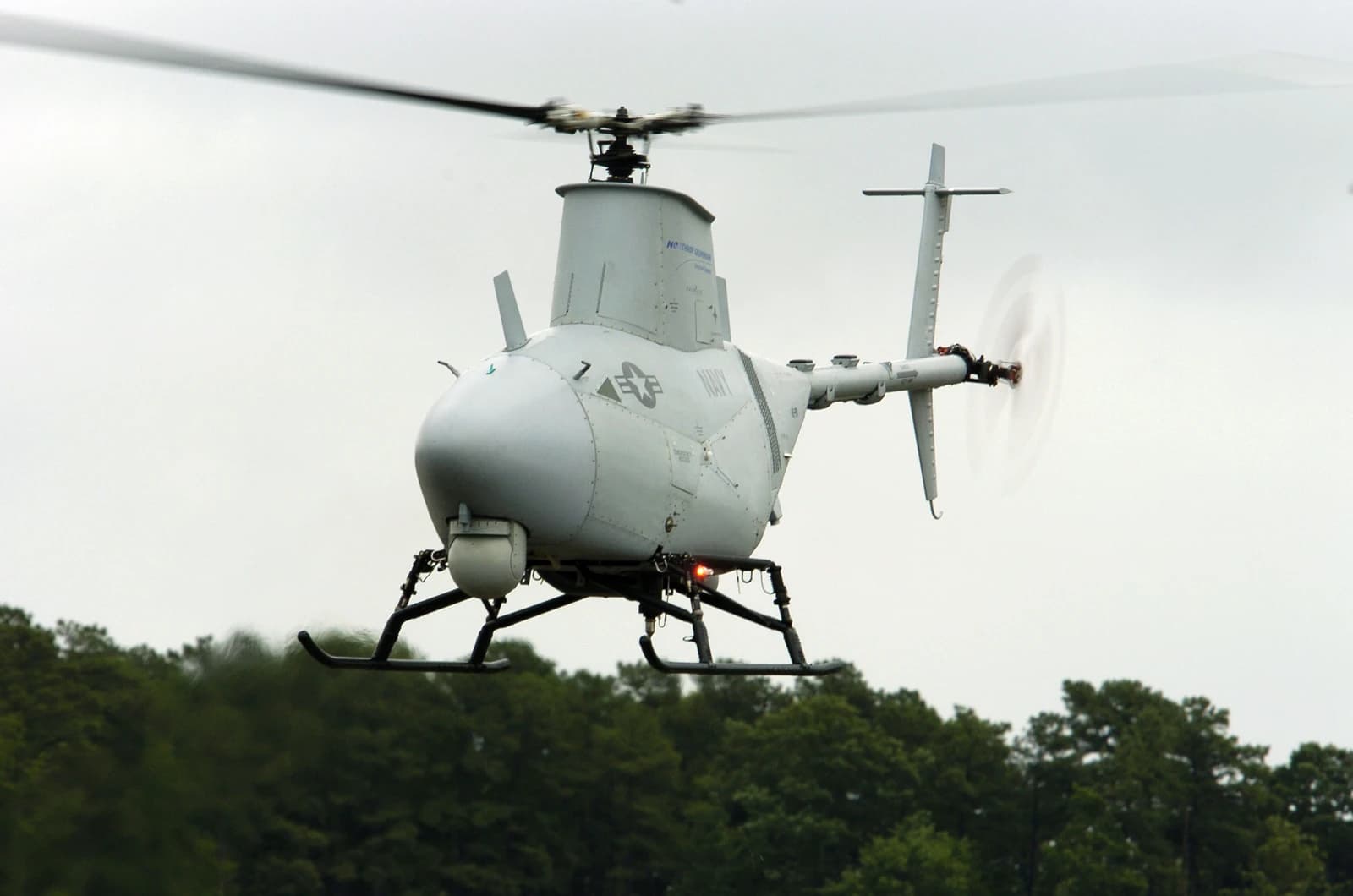
That matters economically because low-cost drones have exposed a high-cost vulnerability: traditional air defenses are often too expensive to use against small unmanned aircraft that can be deployed in swarms and in large numbers. Directed-energy systems offer the Pentagon a way to cut the cost per engagement and preserve missile inventories for higher-value targets, while pushing the defense industrial base toward a new class of weapons that could scale over time.
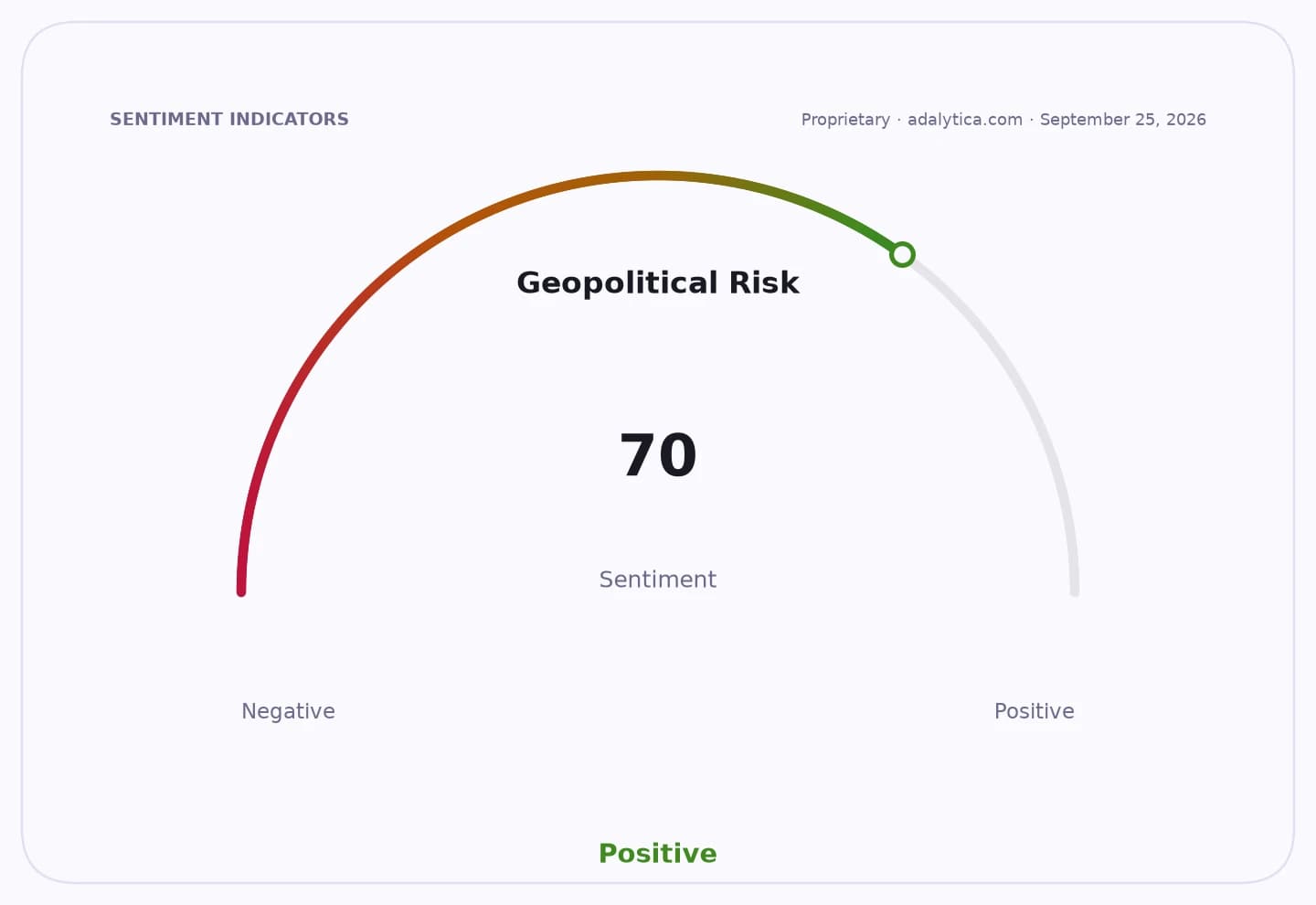
Sentiment IndicatorsⓘProprietary · adalytica.com · August 7, 2026
This is a snapshot — live sentiment, awareness and momentum for 130+ markets update continuously in the dashboard.Open AlphaPulse
For investors, the budget line is a fresh proof point that counter-UAS capabilities are becoming a real spending category rather than a future concept. The spending should benefit contractors with relevant laser, sensing and command-and-control programs, while reinforcing demand for integrated air and missile defense. It also broadens the competitive field beyond the traditional missile primes that have benefited from war-driven replenishment orders.
The move comes as drone incidents in Europe and the war in Ukraine have underlined how quickly inexpensive aircraft can disrupt airports, military sites and critical infrastructure. German authorities have recently faced criticism over fragmented responses to drone incursions, while defense experts have pushed for centralized detection and laser-based defenses. That broader security backdrop is helping turn counter-drone technology into a procurement priority across NATO markets as well as the U.S.
Raytheon parent RTX, Lockheed Martin and Northrop Grumman all stand to gain if the Pentagon translates the funding into production contracts, though the exact winners will depend on which firms supply the lasers, sensors, software and integration work. RTX has already been drawing support from missile and air-defense demand, with recent filings showing large bookings tied to Patriot, AMRAAM and Sidewinder systems, underscoring how the counter-drone market can complement existing air-defense franchises. Lockheed and Northrop, meanwhile, could benefit if the Pentagon leans toward broader integrated defense architectures rather than standalone laser platforms.
The bull case is that lasers can become a durable procurement theme as drone threats spread and budgets shift from interceptors to cheaper, reusable defenses. The bear case is that adoption remains slow because fielding reliable high-energy systems is technically difficult, especially in bad weather, and because the Pentagon may still favor layered defenses that combine electronic warfare, missiles and guns.
For now, the key takeaway is that the Pentagon is putting real money behind a capability that could reshape how militaries defend against drones. If execution improves, the addressable market could expand beyond a one-off budget item into a recurring modernization cycle for U.S. and allied defense buyers.
| Entity | Gains | Losses |
|---|---|---|
| RTX | ▲Counter-drone bookings | ▼Legacy missile exclusivity |
| LMT | ▲Directed-energy integration work | ▼Single-system focus |
| NOC | ▲Air-defense modernization demand | ▼Budget share to rivals |
| Drone operators | ▲— | ▼Easier interception |