Pertamina’s decision to add 6,600 kilolitres of fuel to Medan stations is a stopgap with broader significance: it shows that a local fuel queue problem in North Sumatra has become a supply-chain issue that is now drawing government scrutiny, forcing emergency distribution, and exposing how tightly balanced regional inventories remain.
Pertamina Fuel Additions Ease Medan Shortages
The immediate aim is simple — reduce long lines and refill stations running dry in Medan and surrounding parts of North Sumatra — but the economic signal is less comforting. When a state fuel distributor has to surge supply into one city to prevent public disruption, it usually means the underlying logistics system is operating with little margin for error. That raises the risk of recurring shortages, especially in neighbouring areas such as Aceh Tamiang that are already reporting dry pumps and rationing across gasoline, Pertalite, Pertamax and diesel.
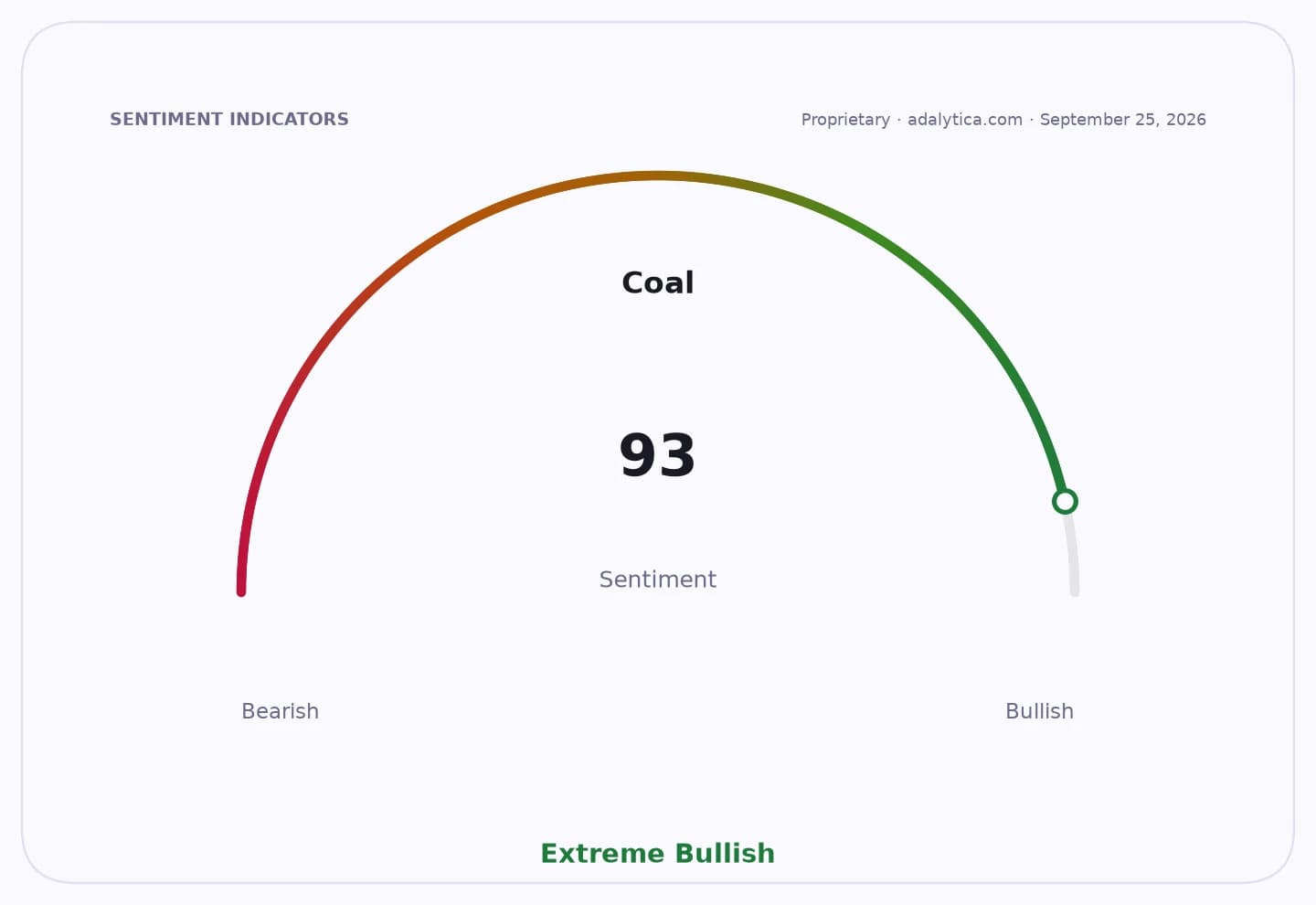
Sentiment IndicatorsⓘProprietary · adalytica.com · July 17, 2026
This is a snapshot — live sentiment, awareness and momentum for 130+ markets update continuously in the dashboard.Open AlphaPulse
The episode matters because fuel availability sits at the centre of Indonesia’s transport, food, logistics and consumer-price chains. A shortage of retail fuel does not stay at the pump for long; it quickly feeds into delivery costs, commuter spending, and business activity across the region. In an economy where many households and small businesses rely on motorbikes and light vehicles for daily transport, even short-lived disruptions can ripple through retail traffic and local commerce.
Authorities have widened inspections and pressed Pertamina to speed distribution, while lawmakers have accused internal operational issues, including problems involving tank drivers, of worsening the shortage. That points to a supply-side rather than pure demand-side problem. If the bottleneck is in depots, tanker coordination or station replenishment, then pumping more fuel into the system solves only the symptom unless distribution discipline improves.
The government’s response also underscores the political sensitivity. Fuel queues are highly visible and tend to become a proxy for broader questions about state capacity and subsidy management. The push to expand storage capacity and build new depots capable of holding 90 days of supply suggests officials recognise the current buffer is inadequate. But such projects take time, leaving the near-term market exposed to disruptions from operational missteps, weather, or policy changes.
The recent launch of B50 biodiesel has added another layer of strain, according to the reports, because a fuel-mix shift can alter product flows and logistics planning. For refiners and distributors, that can mean tighter coordination between product types at exactly the moment when demand patterns are already under stress. If the transition is not managed smoothly, the result can be temporary scarcity at retail even when overall fuel availability is not structurally collapsing.
For investors, the key issue is not just whether Medan queues ease in the coming days, but whether this becomes a template for wider regional disruptions. A localized shortage can usually be absorbed by emergency shipments. A pattern of recurring shortages, however, suggests weaker operating execution, higher working-capital needs, and potentially more intervention from regulators. That would matter not only for Pertamina’s distribution performance but also for transport operators, consumer spending in Sumatra, and any businesses dependent on reliable diesel supply.
Market pricing around oil has also been volatile, with USO and broader oil sentiment showing sharp swings. But this is less about global crude direction than about downstream logistics resilience. Even in a period when international oil markets are not the main driver, domestic distribution failures can still create local scarcity and inflationary pressure. That makes the issue economically important well beyond the fuel retailers themselves.
The near-term catalyst is straightforward: whether the extra 6,600 kilolitres restores normal station throughput and clears queues without another intervention. The larger test is whether Pertamina and the authorities can turn emergency replenishment into a more durable regional supply framework. If they cannot, Medan may be less an isolated incident than an early warning that Indonesia’s fuel distribution network is more brittle than its population can afford.
| Entity | Gains | Losses |
|---|---|---|
| Medan motorists | ▲Shorter queues | ▼Persistent uncertainty |
| Pertamina distribution arm | ▲Temporary public relief | ▼Scrutiny over execution |
| Local businesses | ▲Better fuel access | ▼Disruption costs |
| Government regulators | ▲Visible action | ▼Credibility if shortages persist |