A pledge by Keiko Fujimori to raise Peru’s minimum wage to S/1,300 would be economically meaningful not because it is unprecedented, but because it lands at a moment when the country is still balancing weak growth, fragile hiring and pressure to protect real incomes.
Peru Wage Hike Could Pressure Labor-Heavy Firms

The central question for investors is whether the economy can absorb a higher wage floor without denting formal employment, margins and inflation expectations. In a labor market where the unemployment rate has hovered near 4.2% to 4.3% and nonfarm payrolls remain elevated, a moderate increase may be digestible in aggregate. But the risk is not the headline level alone; it is whether employers in labor-intensive sectors can pass through higher costs or are forced to slow hiring, trim hours or shift workers into informality.
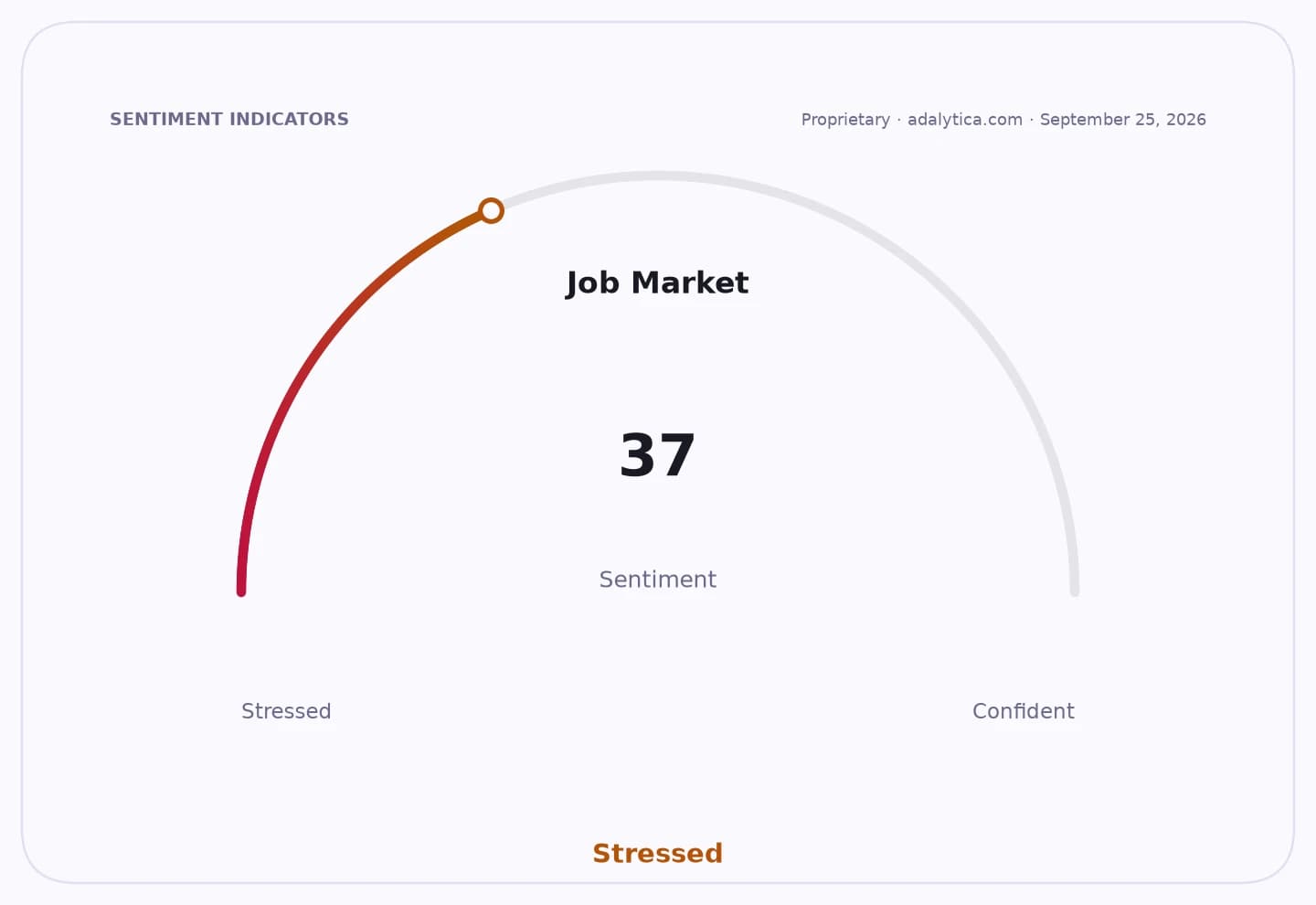
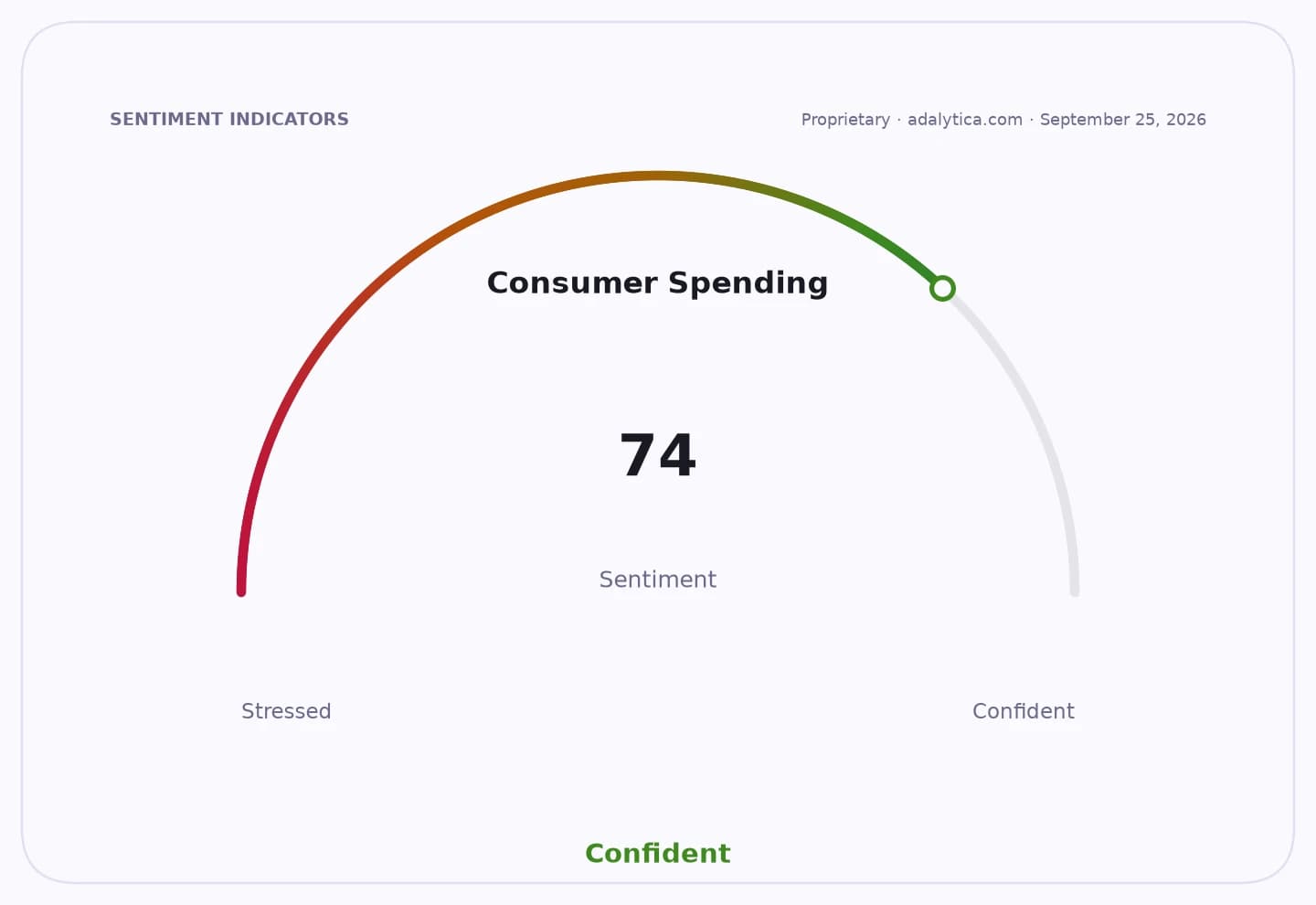
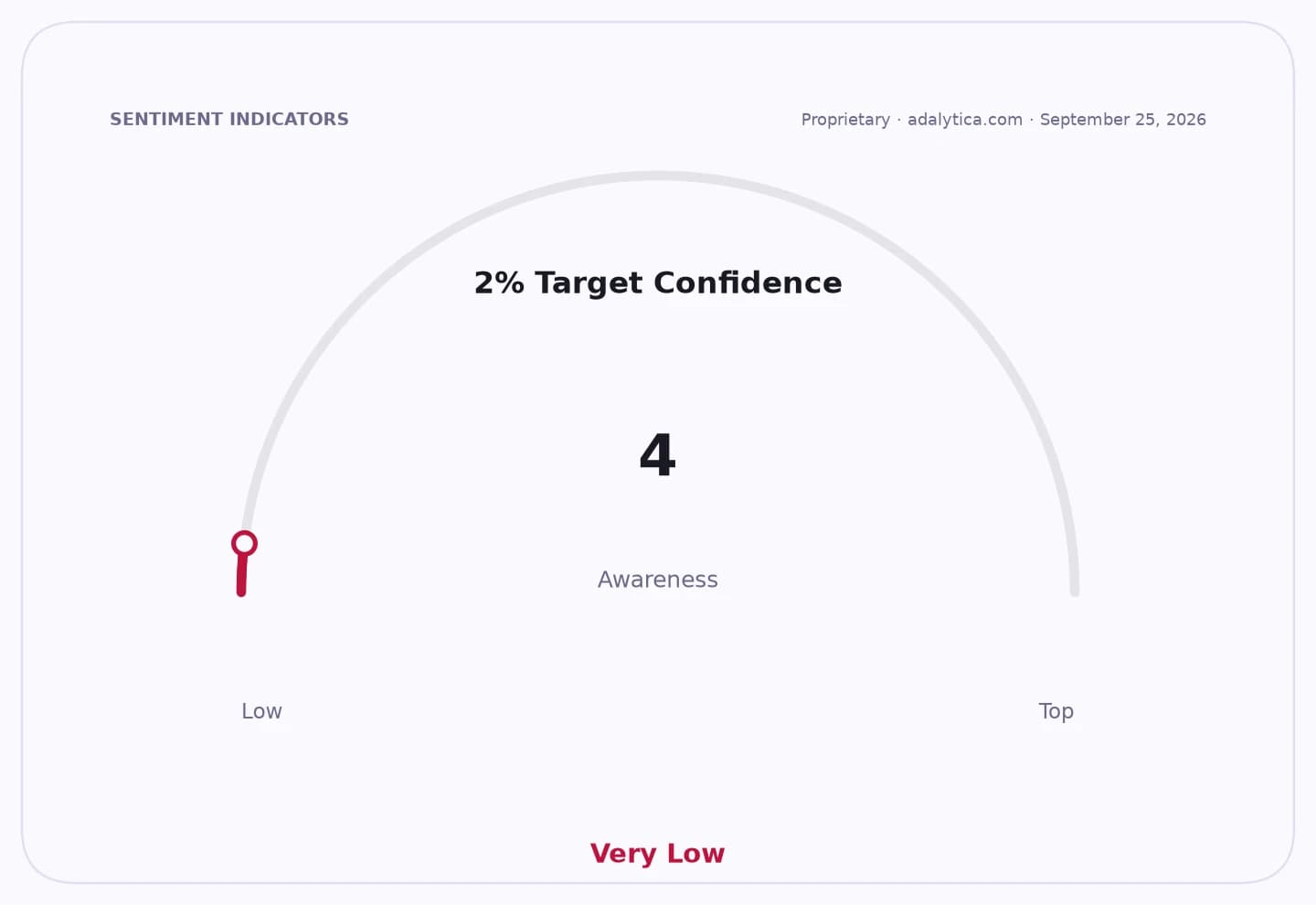
Sentiment IndicatorsⓘProprietary · adalytica.com · July 29, 2026
This is a snapshot — live sentiment, awareness and momentum for 130+ markets update continuously in the dashboard.Open AlphaPulse
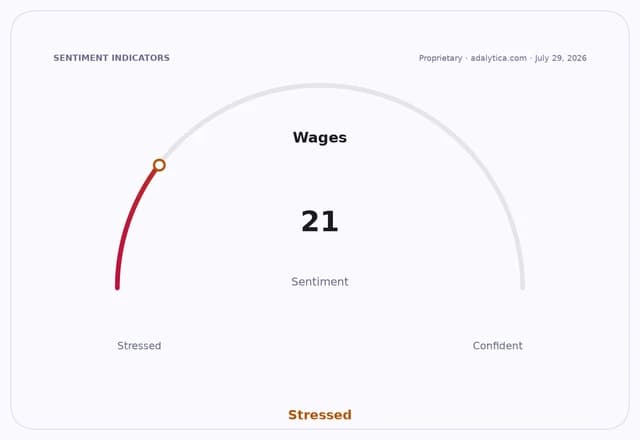
The case for the hike is straightforward. Peru’s minimum wage has lagged the cost of living, and the political appeal of a raise is clear when households feel squeezed by food, transport and housing expenses. That pressure is real even in a macro environment that is more stable than during crisis periods: US CPI data show inflation has cooled from the pandemic peak, but price levels remain far above pre-2020 norms, leaving low-income workers with limited relief in purchasing power. A higher floor could support consumption at the margin, especially among workers with the highest propensity to spend.
The bull case is that the increase is small enough to be absorbed if paired with stronger productivity, formalization and tax compliance. Peru’s labor market has proved more resilient than many feared, and a wage adjustment could reduce turnover while lifting household demand. For a candidate, it also signals a pro-worker stance without the bluntness of more aggressive intervention.
The bear case is more consequential. If the move is implemented alongside a regional minimum wage structure, as some debate has suggested, it risks widening disparities between Lima and the interior and could encourage migration toward higher-paying areas or informal work. Employers with thin margins would be the first to feel the squeeze, especially in retail, agriculture, services and other labor-heavy industries. That is where the policy could matter more than the macro averages imply: formal payroll costs rise immediately, while productivity gains arrive slowly, if at all.
Markets have already shown that investors are sensitive to Peru’s policy risk. The Peru ETF has been trading well above its 200-day moving average, but recent swings in price and RSI readings point to a market that can reprice quickly when political or labor-cost uncertainty increases. Peru-focused assets tend to respond less to the minimum wage itself than to what it implies about future intervention, fiscal discipline and business confidence.
For multinationals operating in the region, wage pressure is not trivial. Companies such as Nike have disclosed that a meaningful increase in minimum wages can raise operating costs and force supply-chain adjustments. Retailers, consumer companies and exporters with low-value-added labor exposure would be the most vulnerable to a policy that outpaces productivity. On the other side, workers, unions and consumer-facing firms with stronger pricing power stand to benefit if demand holds up.
The broader narrative is that Peru is once again confronting a classic emerging-market trade-off: raise pay fast enough to preserve living standards, but not so fast that it undermines formal employment and investment. Whether the economy “withstands” S/1,300 will depend less on the number than on implementation, sector exemptions, enforcement and the pace of growth. If output strengthens, the hike may look manageable. If growth stays soft, the wage floor could become a test of how much stress Peru’s labor market and political consensus can bear.
| Entity | Gains | Losses |
|---|---|---|
| Low-wage workers | ▲Higher take-home pay | ▼Risk of fewer hours |
| Unions/Fujimori campaign | ▲Political momentum | ▼Credibility if jobs weaken |
| Employers in labor-intensive sectors | ▲Predictability if phased in | ▼Higher payroll costs |
| Peru-focused investors | ▲Clarity on policy direction | ▼Valuation risk from labor costs |