The Mexican peso edged higher against the dollar as investors responded to a reported U.S.-Iran truce announcement, with the move reflecting a familiar shift into higher-yielding emerging-market currencies when geopolitical risk looks contained, even if only briefly.
Peso Gains on Brief Iran Truce Hopes
For Mexico, the currency’s advance matters because the peso remains one of the most liquid proxies for global risk appetite and carry trades. When investors see an opening for de-escalation in the Middle East, they are more willing to rotate out of defensive dollar exposure and into currencies that offer carry and relative stability. That can support Mexican assets more broadly, including local sovereign debt and the equity market, while easing imported inflation pressures for a central bank still balancing growth concerns against price stability.
The move came against a backdrop of still-fragile global conditions. Iran’s later rejection of a U.S. proposal for a 10-day truce in the broader conflict undercut hopes for a durable diplomatic breakthrough, a reminder that any currency lift tied to geopolitical calm may be short-lived. Even so, the initial response showed how sensitive foreign-exchange markets remain to signs of reduced oil-supply risk and lower safe-haven demand.
That sensitivity was evident in exchange-traded funds tied to the dollar and Mexico. The Invesco DB US Dollar Index Bullish Fund, UUP, was trading around 28.58 in the latest session, still above its 50-day and 200-day moving averages, suggesting the dollar trend remains constructive despite episodic pullbacks. By contrast, the iShares MSCI Mexico ETF, EWW, has recovered from March weakness and was recently trading near 76.34, just under its 50-day average and above its 200-day average, a sign that Mexican assets continue to attract support even as they digest swings in global sentiment.
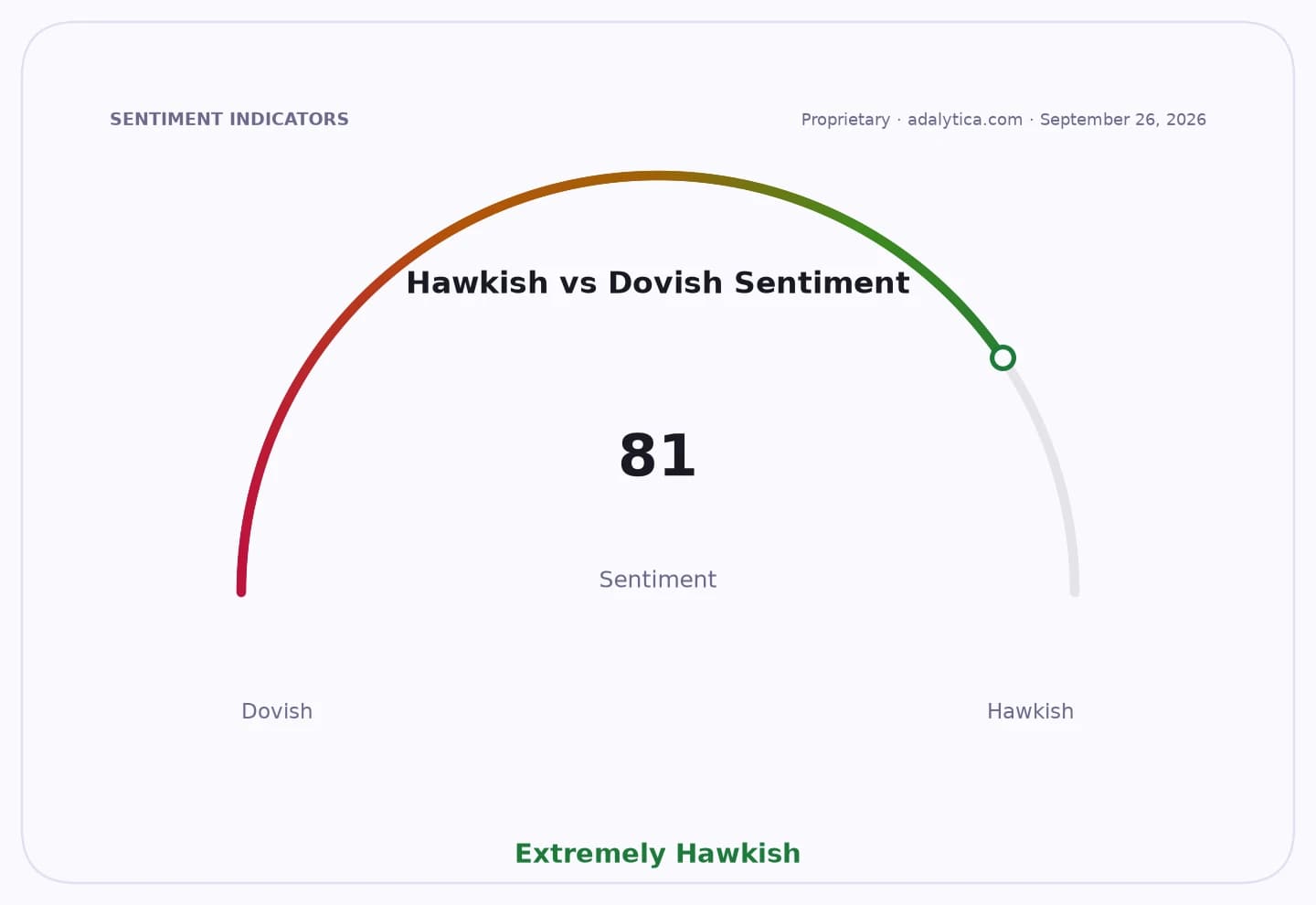
The macro channel runs through oil, rates and risk premia. Any sustained easing in Middle East tensions can reduce the market’s fear of energy-price spikes, which tends to favor importers and currencies like the peso. It can also soften demand for the dollar if investors perceive less need for defensive positioning. But if diplomatic efforts fail, the trade can reverse quickly, particularly in the peso, whose liquidity makes it a first stop for macro hedging.
For investors, the key question is whether the truce narrative becomes a genuine de-escalation trade or just another headline-driven bounce. A real easing of tensions would likely support carry trades, lift Mexican assets and pressure the dollar’s near-term dominance. A breakdown in talks would do the opposite, restoring demand for safe havens and leaving the peso exposed to renewed volatility.
| Entity | Gains | Losses |
|---|---|---|
| Mexican peso | ▲Higher carry appeal | ▼Safe-haven flows |
| U.S. dollar | ▲Short-term weakness | ▼Risk-off demand |
| Mexican assets | ▲Lower risk premium | ▼Geopolitical uncertainty |
| Oil importers | ▲Lower price shock risk | ▼Energy inflation fears |