PFFA’s headline yield looks compelling, but the backdrop of still-elevated rates and only modestly improving credit conditions argues the risk-reward remains more balanced than bullish.
PFFA Yield Appeal Near 20.47 on July 30
The iShares-style preferred-income trade has been helped by a Federal Reserve that has held its policy rate at 3.63% and a 10-year Treasury yield that is still near 4.61%, leaving income investors with few easy alternatives. But that same environment keeps the economics of leveraged preferred and high-yield income funds under pressure: borrowing costs remain high enough to eat into net investment income, while credit spreads have narrowed only modestly, limiting the scope for outsized price gains.
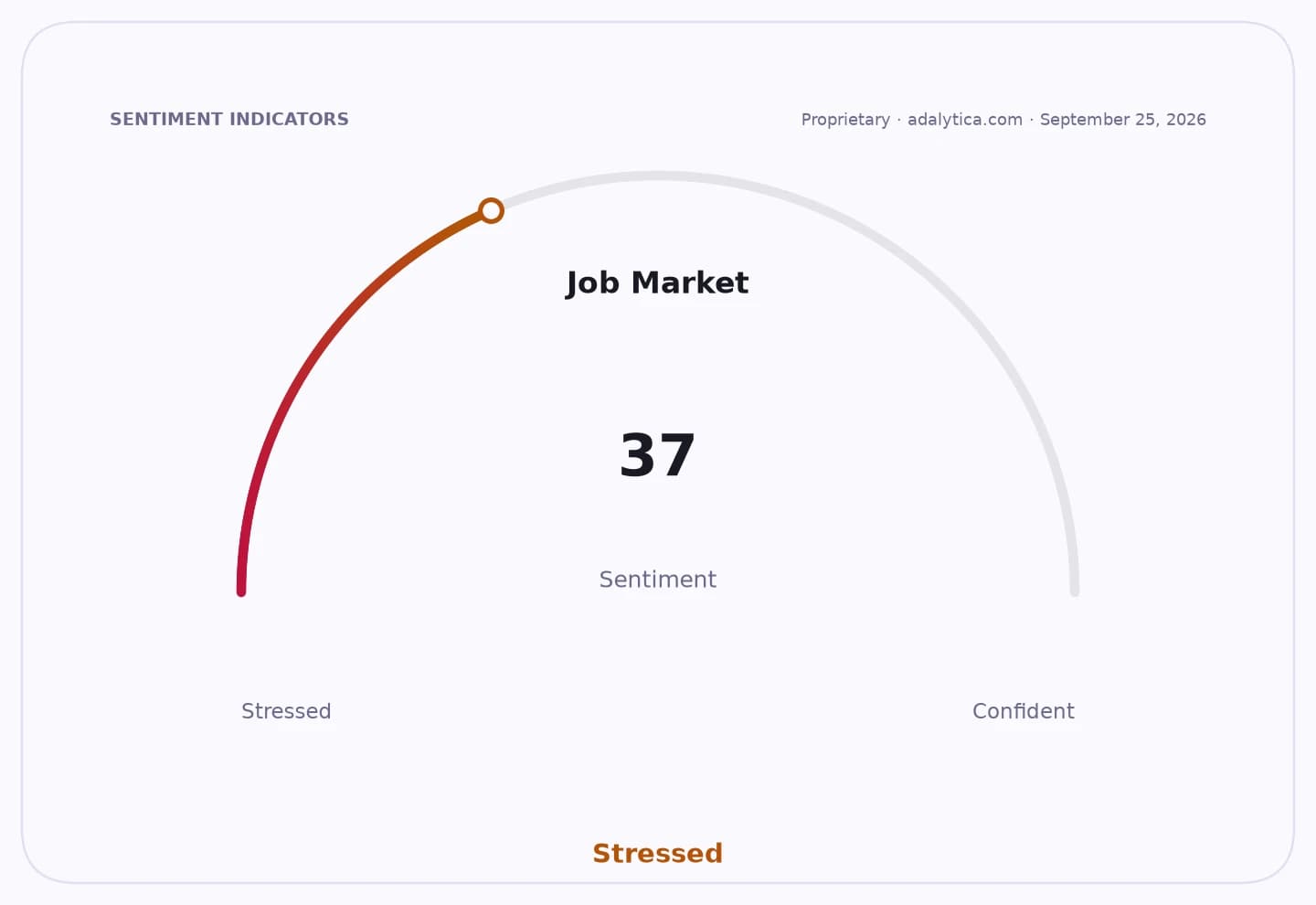
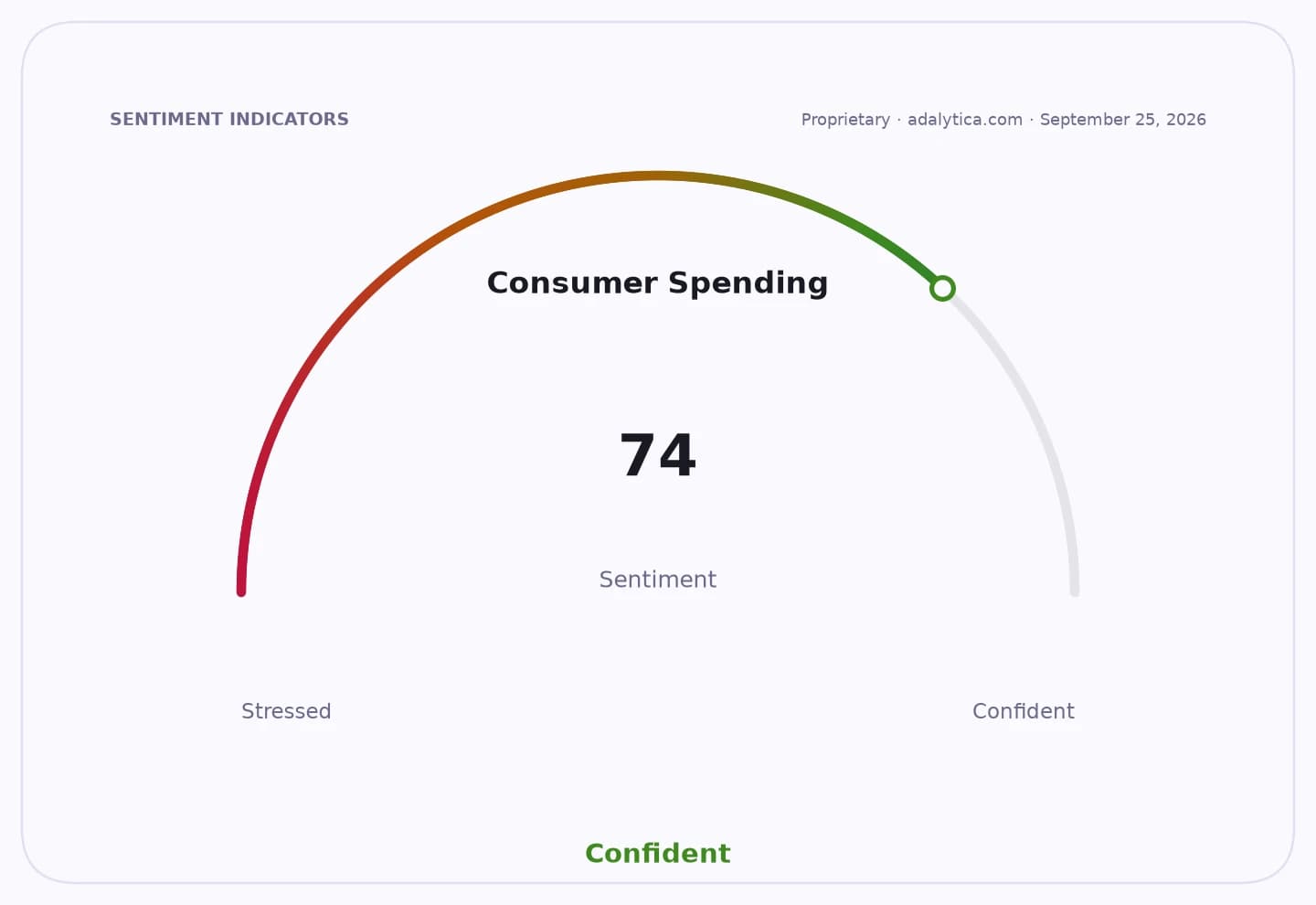
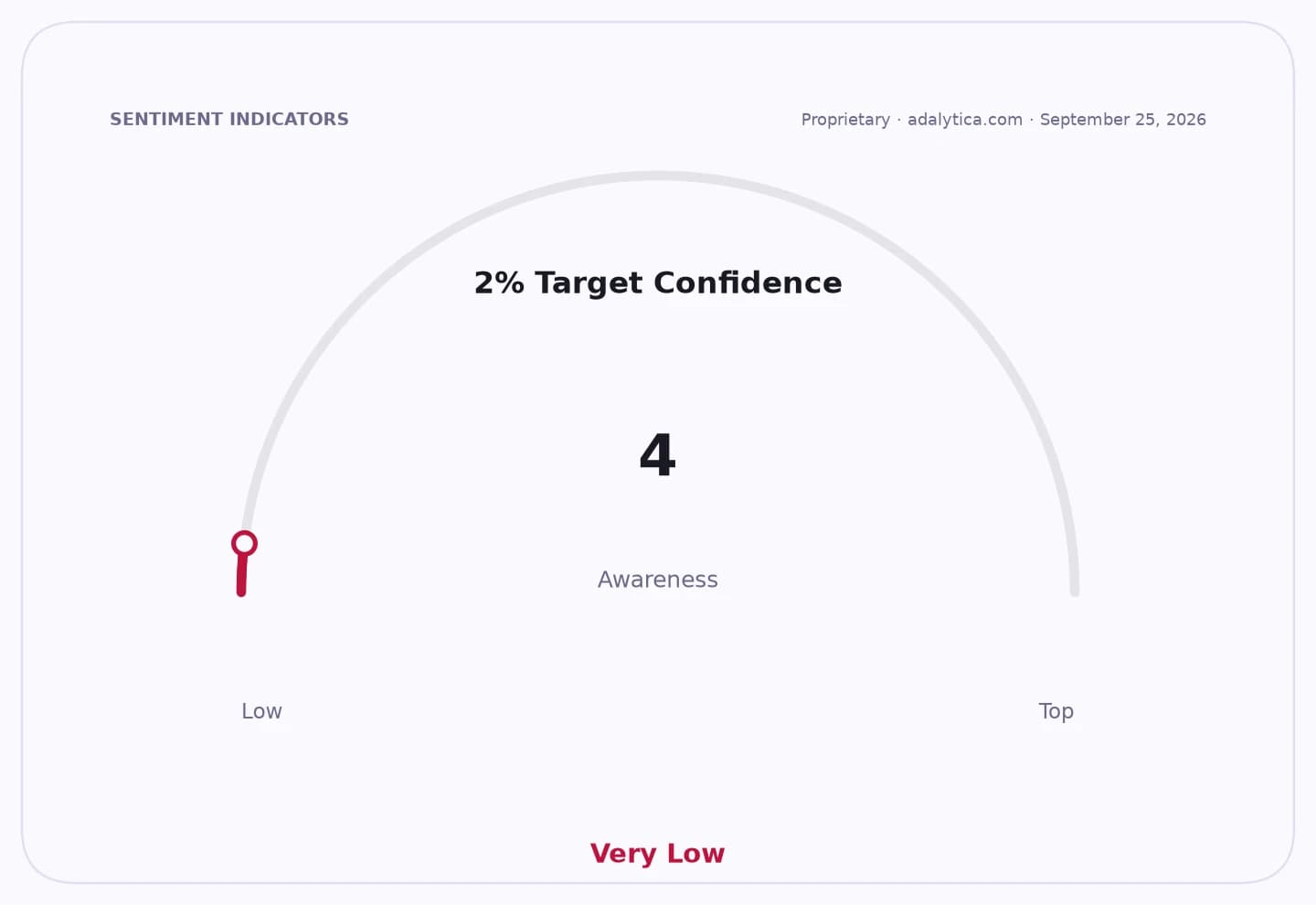
Sentiment IndicatorsⓘProprietary · adalytica.com · July 30, 2026
This is a snapshot — live sentiment, awareness and momentum for 130+ markets update continuously in the dashboard.Open AlphaPulse
That is why the case for PFFA is less about capital appreciation than about harvesting carry. The fund closed at 20.47 on July 30, only slightly above its 50-day moving average of 20.77 and essentially in line with its 200-day average of 20.53, a sign of a market that is neither rewarding nor aggressively selling the income trade. Its RSI reading of 37.2 suggests the fund is not overbought, but the MACD remains negative, reinforcing the view that momentum is fragile rather than constructive.
The broader high-yield and credit complex tells the same story. HYG finished at 79.43 and JNK at 95.61, both near their recent ranges, while the option-adjusted spread on high-yield debt sits around 2.87 percentage points, down from earlier this year but still wide enough to reflect residual default concern. Investors have also seen Treasury-bond sentiment and Fed expectations swing sharply in Adalytica’s signals, a reminder that the market is still trading policy uncertainty rather than a clean easing cycle.
For PFFA, that matters because preferred securities sit in an awkward middle ground: they offer more income than Treasuries, but less protection than senior debt, and their prices can be sensitive to both rate moves and credit stress. If the Fed stays on hold and bond yields drift lower, the fund’s distribution may remain attractive to income seekers. If rates stay elevated longer, or if credit markets widen again, the yield will not be enough to fully offset price risk.
The bull case is straightforward: yield remains scarce, the Fed is not tightening further, and stable credit conditions can keep PFFA’s carry intact. The bear case is just as clear: with policy still restrictive and the fund trading close to its moving averages, investors are paying for income without much valuation cushion. That leaves PFFA looking more like a hold for cash-flow buyers than a compelling risk-adjusted buy.
| Entity | Gains | Losses |
|---|---|---|
| PFFA holders | ▲High current income | ▼Limited price cushion |
| Yield seekers | ▲Better payout than Treasuries | ▼Rate-sensitive volatility |
| Treasury bonds | ▲Support from stay-high yields | ▼Lower upside if yields fall |
| High-yield/credit funds | ▲Carry appeal in a pause | ▼Wider spreads if risk rises |