Consumer brands are leaning harder on analytics to prove that sustainability claims translate into sales, and investors are rewarding the companies best able to tie cleaner branding to higher margins, stronger traffic and better shelf execution.
P&G, Unilever and Walmart on sustainability data
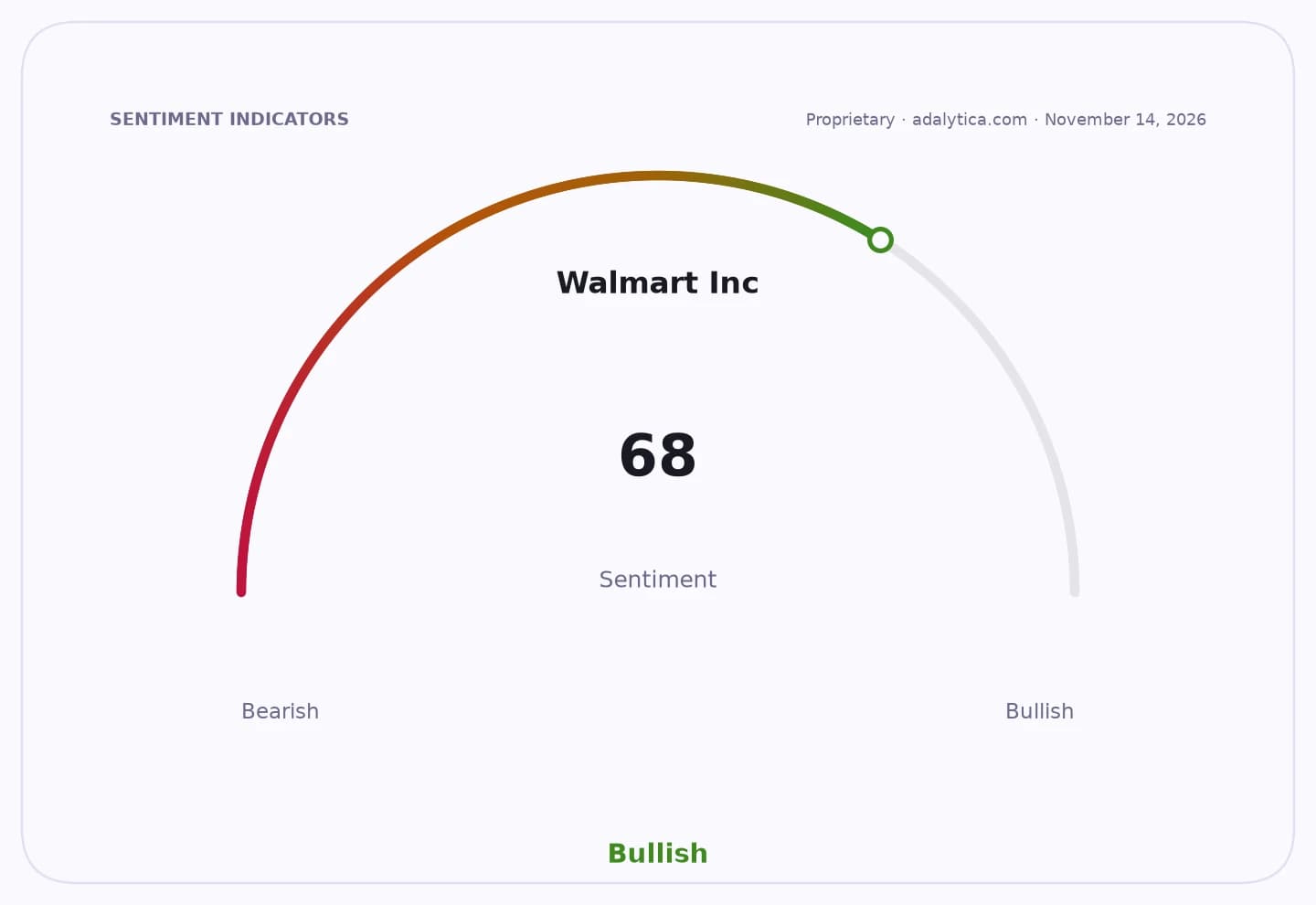
That shift is showing up in Procter & Gamble, Unilever and Walmart shares, which have all held above key technical levels even as the market rotates between defensives and growth. P&G closed at $169.80, roughly 16% above its 50-day moving average of $153.59, while its relative strength index at 72.4 points to extended but still strong momentum. Unilever finished at $66.21, above both its 50-day and 200-day moving averages, and Walmart ended at $128.09, near the upper end of its recent range and well above its 200-day average of $118.61.
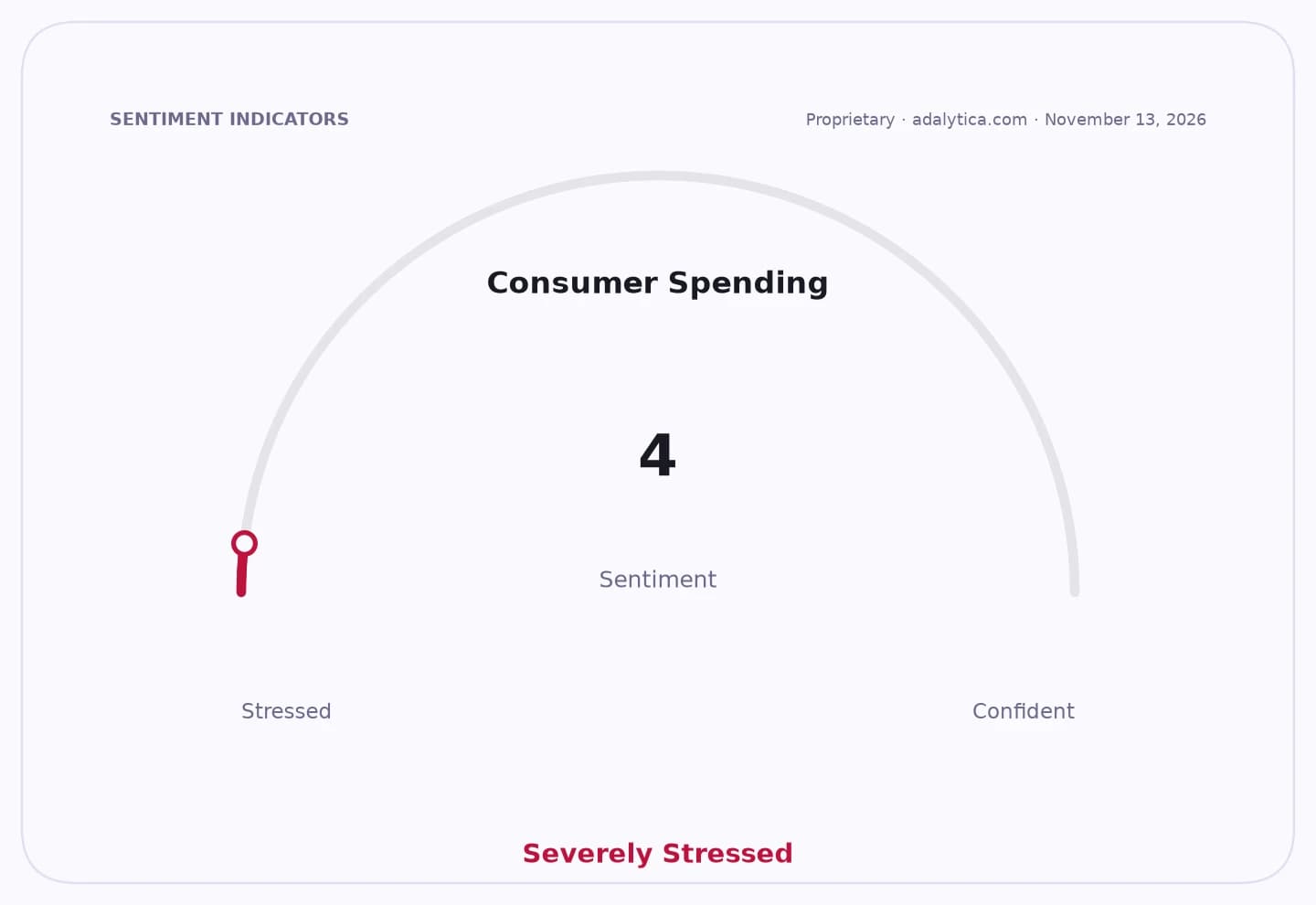
The market’s message is that sustainability is no longer being treated as a marketing add-on. Consumer companies are under pressure to use first-party data, retailer analytics and omnichannel sales tools to measure whether purpose-led campaigns actually lift conversion, pricing power and repeat purchase rates. That matters because in a slower-growth consumer environment, the winners are likely to be the brands that can justify premium positioning with hard numbers rather than broad messaging.
Unilever’s recent investor event underscored that point. The company told investors it is sharpening its portfolio around personal care, beauty and well-being, while also promising €1 billion in productivity savings by the end of 2029. For shareholders, that is a bet that tighter category focus and cleaner execution can support both sustainability-led branding and margins.
Walmart is part of the same trade. The retailer has said its U.S. eCommerce sales and omnichannel model are helping drive comparable sales, showing how data-rich retail networks can amplify consumer trends and give suppliers better feedback on what messages work. For packaged-goods groups, that makes Walmart’s platform more important as a test bed for sustainable product claims and targeted promotions.
P&G’s stock action suggests investors still see the company as one of the best-positioned names in the category, but the stretched technical setup also leaves it vulnerable if growth slows or margin improvement fades. Unilever and Walmart look steadier on the charts, with both stocks trading above their longer-term averages, but they too will need evidence that sustainability marketing is supporting volume, not just image.
The next catalyst is execution: upcoming earnings, investor updates and retailer data will show whether data-driven sustainability campaigns are delivering measurable demand, or whether they are simply raising marketing costs without enough payoff.
| Entity | Gains | Losses |
|---|---|---|
| P&G | ▲premium branding with data backing | ▼investors if momentum cools |
| Unilever | ▲focus, savings, cleaner growth story | ▼legacy categories and low-return spend |
| Walmart | ▲supplier traffic, ad/analytics monetization | ▼lagging brands with weak execution |
| Consumers | ▲more relevant offers and claims | ▼higher prices if premiumization sticks |