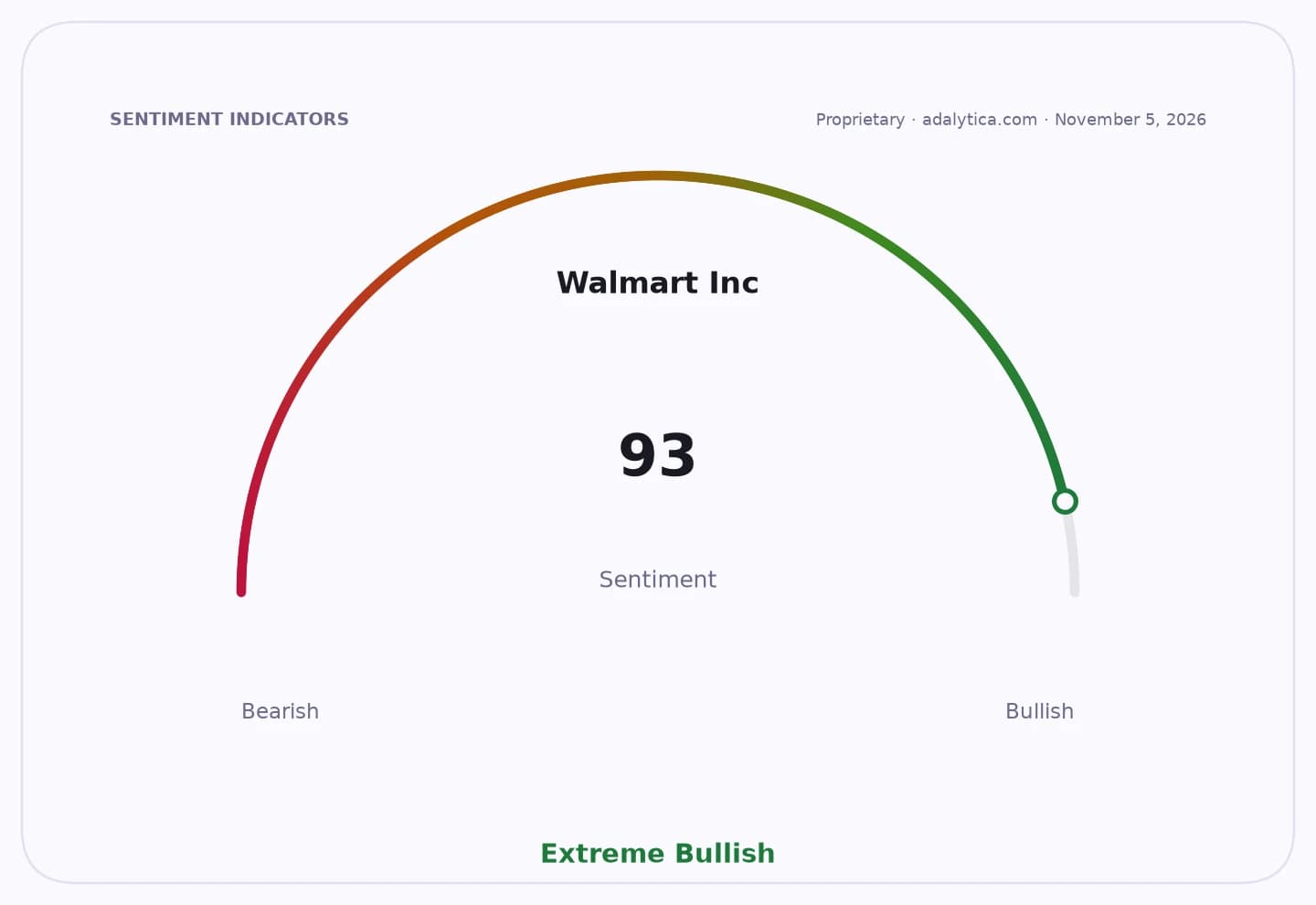
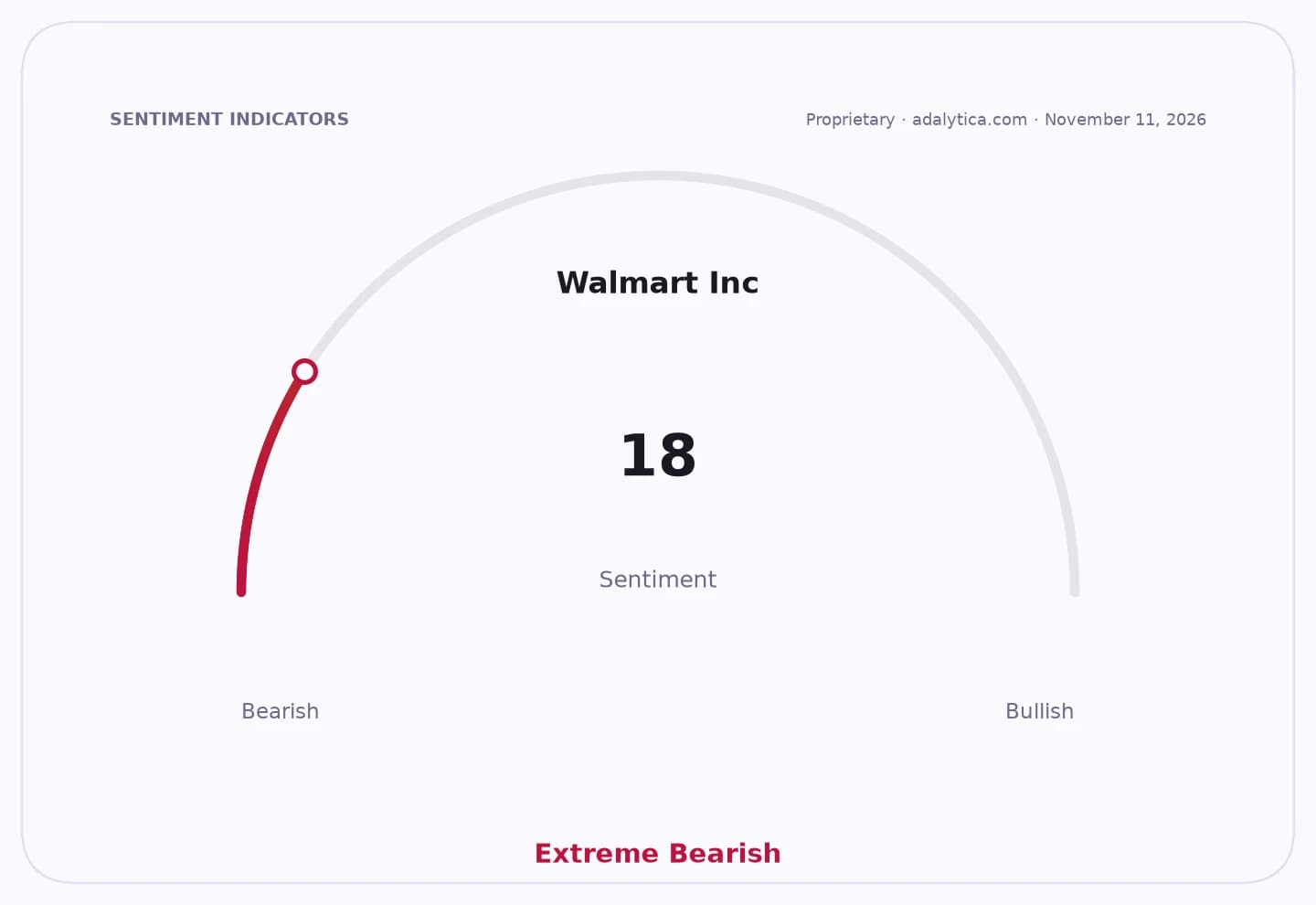
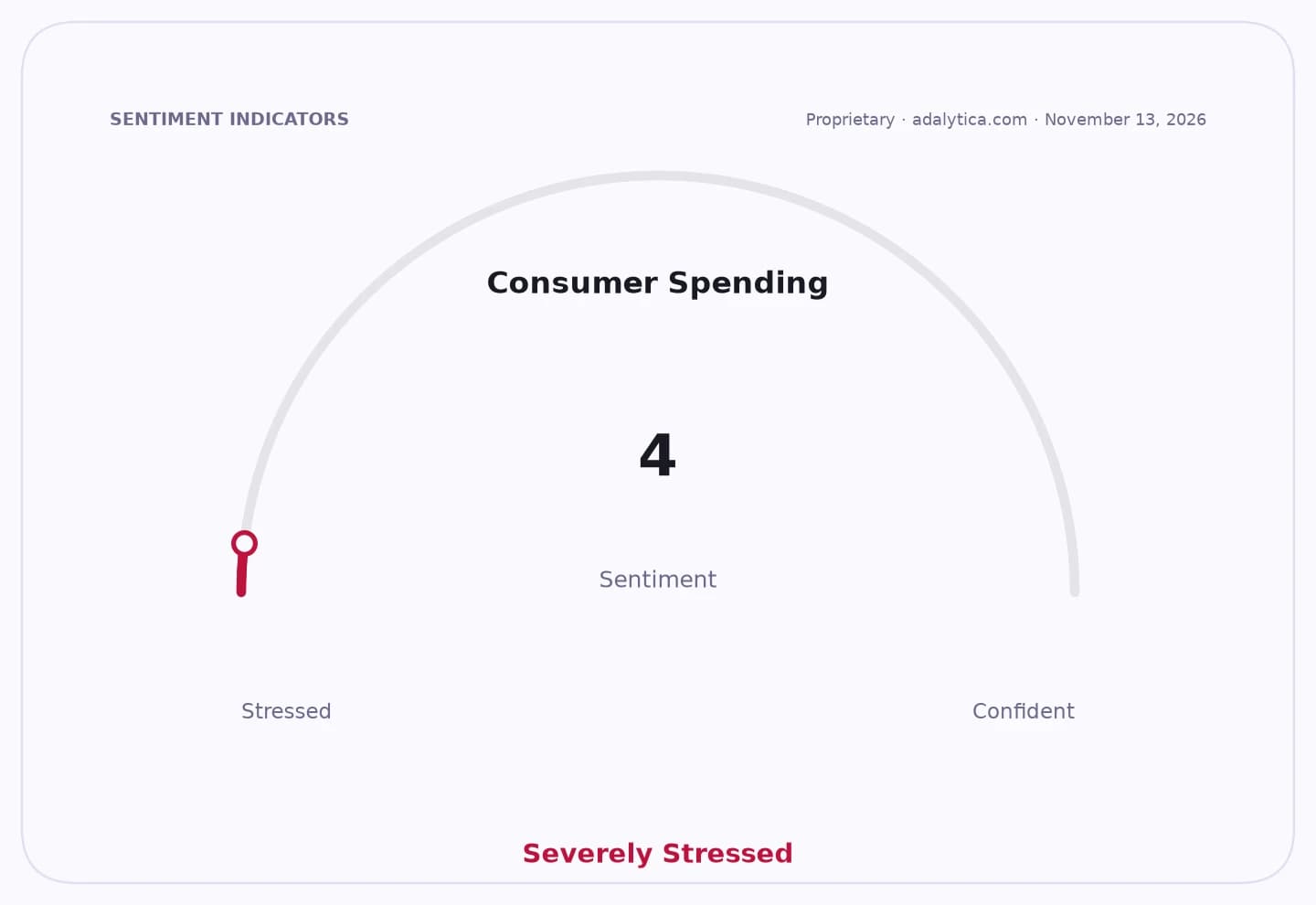
Walmart is using the holidays to do what it does best: turn store exclusives into traffic drivers, and that matters because a simple seasonal soda can still help move real volume in a year when shoppers are more price-sensitive and brands are fighting harder for attention.
Walmart Mountain Dew Holiday Soda Boosts Traffic
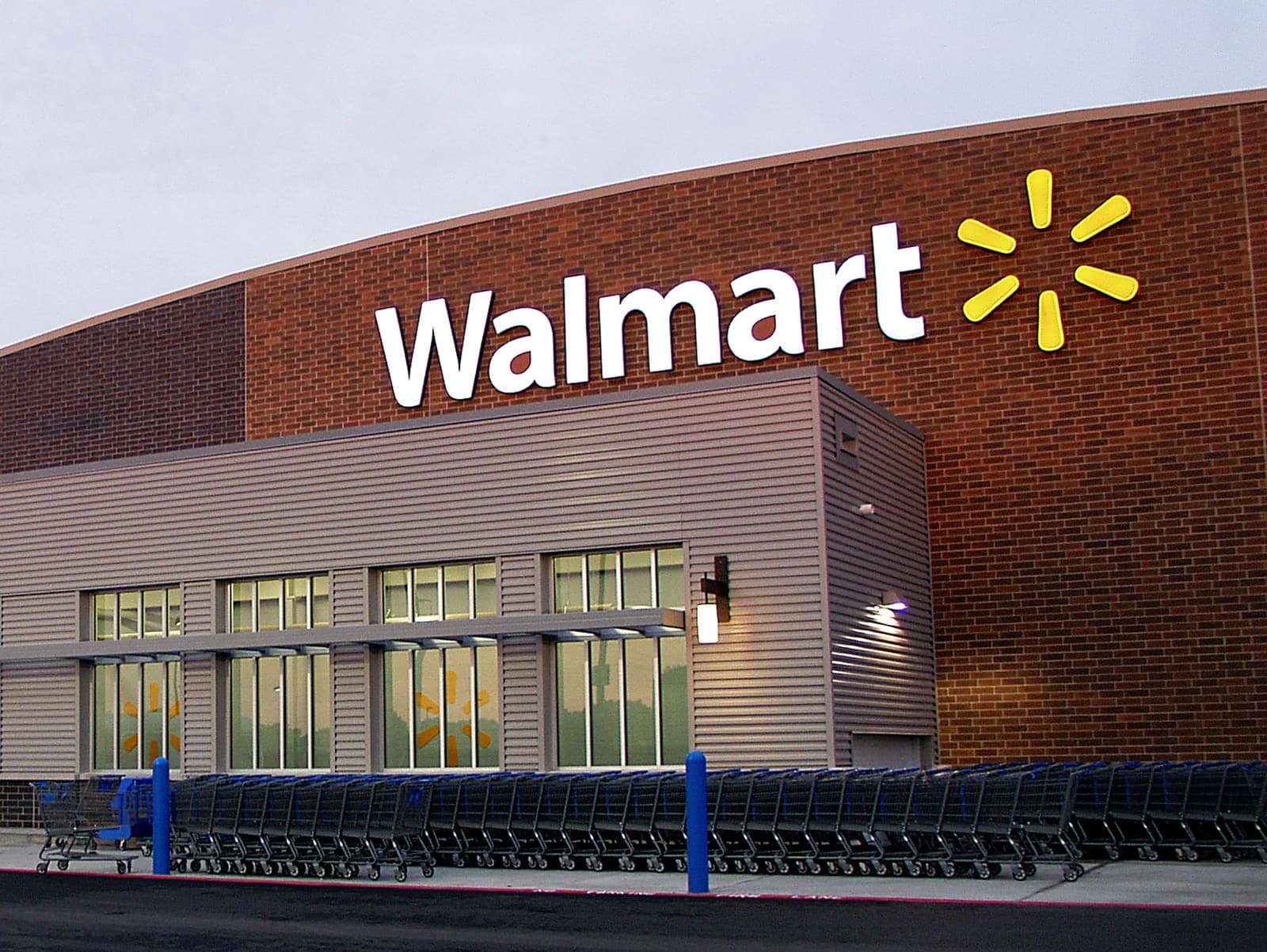
The retailer’s exclusive Mountain Dew gift soda is more than a novelty. It is a reminder that Walmart’s advantage is not just low prices, but its ability to shape what shoppers buy at the very moment they are in the aisle or scrolling online. For PepsiCo, which owns Mountain Dew, that kind of exclusive placement can be valuable because it helps defend shelf space, reinforces brand visibility and nudges incremental purchases during the most promotional part of the year.

That matters economically because consumer staples companies increasingly need ways to keep sales growing without relying only on broad price increases. Holiday packaging, limited-edition flavors and retailer-only products can lift basket size and create urgency, especially when households are choosier about discretionary spending. Walmart, for its part, benefits from products that feel special enough to draw shoppers in, but familiar enough to sell at scale. It is a classic retail playbook: differentiate the aisle, then monetize the trip.
Investors should care because this kind of partnership speaks to the durability of the Walmart-PepsiCo ecosystem. Walmart has been one of the best-positioned retailers in a tougher consumer backdrop, and PepsiCo still depends on mass-market distribution to keep its beverage brands front and center. If a holiday soda resonates, it can support repeat visits and keep Pepsi’s brands relevant in a category where rivals are always looking to steal share with new flavors, smaller packs or better pricing.
The stock picture backs up the broader point. Walmart shares have rallied sharply and are trading near the upper end of recent ranges, while PepsiCo has also recovered from earlier weakness and is now well above its 200-day moving average. Technical indicators such as the 50-day moving average and RSI readings suggest both stocks have enjoyed strong recent momentum, though neither looks cheap simply because of a seasonal promotion.
The bigger narrative is that holiday merchandising still matters in packaged food and beverage, even in an age of algorithms, delivery apps and private-label pressure. Limited-edition products will not transform either company on their own, but they can keep brands culturally relevant and help retailers capture more share of seasonal spending. For long-term investors, that makes Walmart and PepsiCo worth watching, especially if you want businesses that can keep compounding through both good markets and cautious ones.
| Entity | Gains | Losses |
|---|---|---|
| Walmart | ▲More store traffic | ▼Generic holiday assortment |
| PepsiCo | ▲Shelf visibility | ▼Slower brand turnover |
| Consumers | ▲Festive novelty | ▼Less price competition |
| Rival beverage brands | ▲— | ▼Fewer premium holiday slots |