Walmart and Starbucks are betting that exclusive holiday coffee merchandise can lift spending at a time when consumers are more selective, using limited-edition product tie-ins to pull traffic, reinforce brand loyalty and capture a bigger share of seasonal purchases.
Walmart Starbucks Holiday Coffee Merchandising Push
The collaboration matters because holiday merchandising is one of the few periods when retailers can still command attention without deep discounting. For Walmart, the partnership adds a branded, higher-margin lifestyle angle to a business that has leaned heavily on omnichannel growth and assortment breadth. For Starbucks, it extends the company’s push to deepen customer engagement through brand-led marketing as it works through restructuring and attempts to stabilize demand.
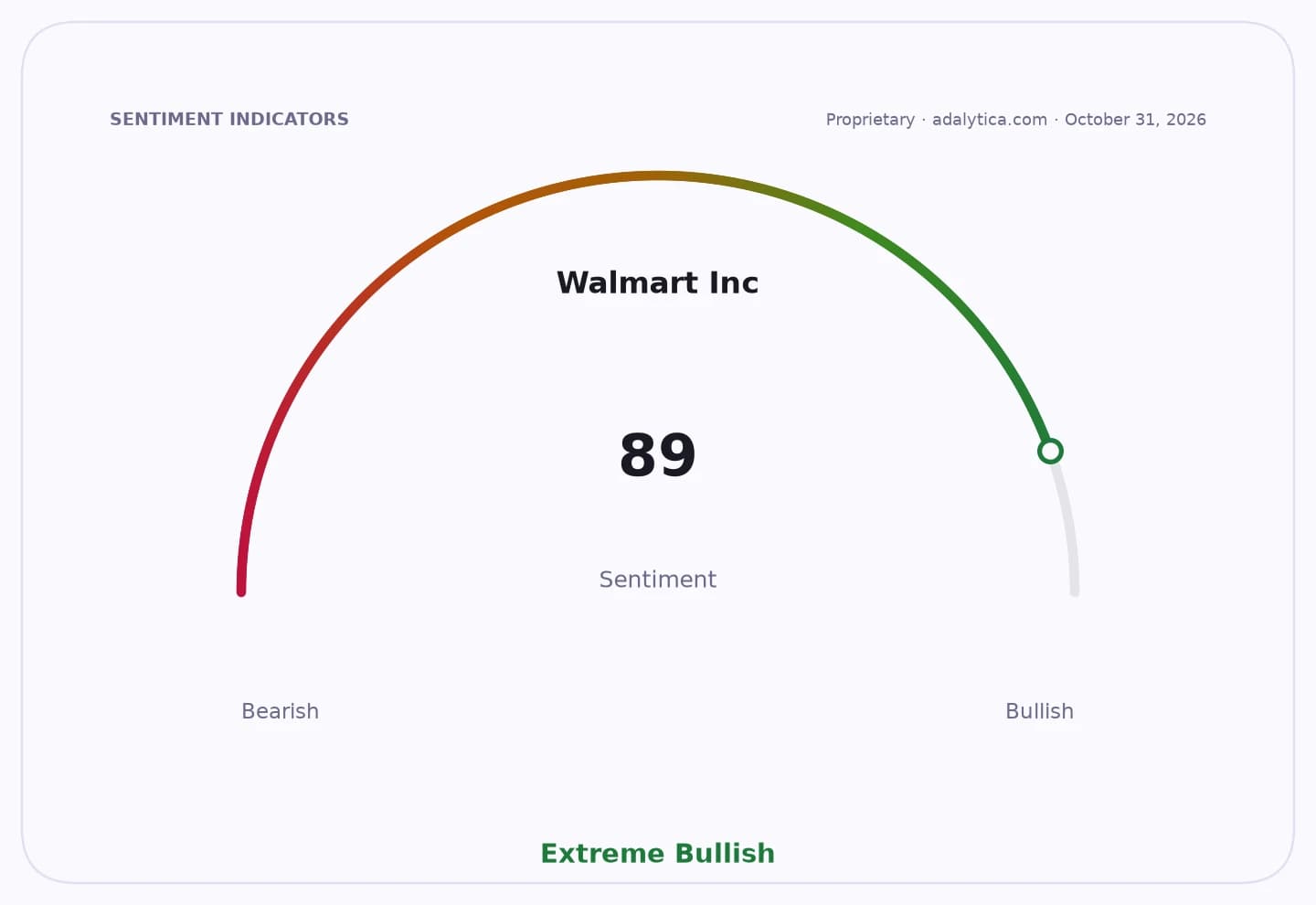
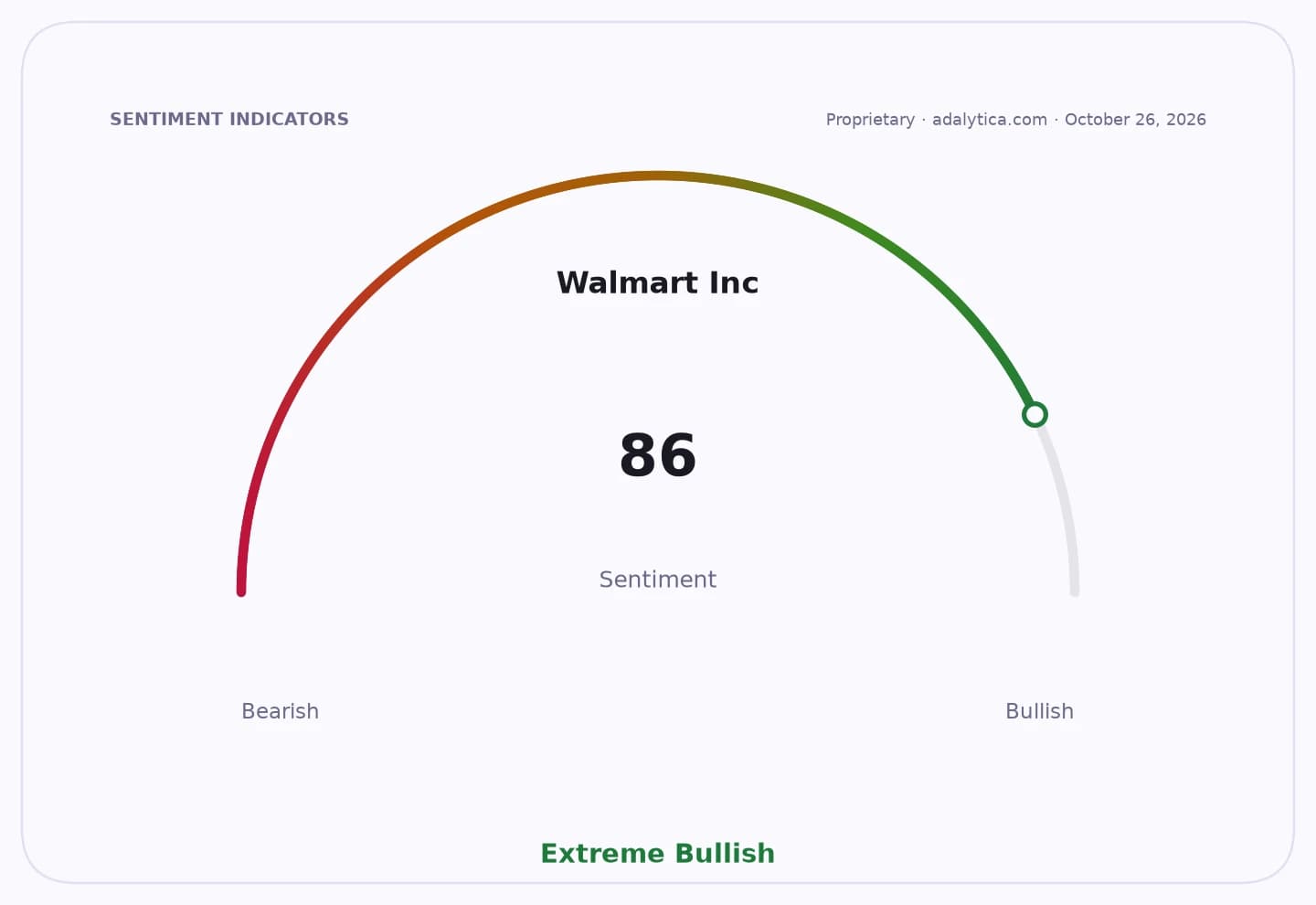
Sentiment Indicators
That timing is important. Adalytica’s Consumer Spending Sentiment has fallen back to 43, a neutral reading after a sharp one-day drop, suggesting shoppers remain cautious even as awareness of holiday promotions stays elevated. In that environment, themed merchandise can be more effective than broad price cuts because it encourages incremental purchases from loyal customers rather than forcing retailers into margin-eroding promotions.
The move also fits with Starbucks’ broader effort to widen the brand beyond cafés and drinks. The company has said it wants to amplify the brand through marketing, menu innovation and Starbucks Rewards engagement, while also reducing complexity across parts of its store base. Exclusive holiday goods help support that strategy by turning the brand into a retail destination and giving customers a reason to buy outside the core coffee occasion.
Walmart, meanwhile, has been one of the market’s stronger large-cap names, with its shares trading well above both the 50-day and 200-day moving averages in recent sessions. That strength reflects investor confidence in its ability to take share across grocery, discretionary and digital channels. Seasonal exclusives with Starbucks give it another way to blend traffic generation with higher-value merchandise, particularly as consumers continue to compare prices carefully across channels.
For investors, the near-term question is not whether holiday merchandise moves the needle on earnings, but whether it improves basket size, traffic and customer attachment at relatively low execution risk. Bullishly, the partnership plays to both companies’ core strengths: Walmart’s scale and distribution, and Starbucks’ brand cachet. Bearishly, the tie-up is still a limited merchandising event, and its impact may be modest if consumer spending softens further or if holiday shopping becomes more promotion-driven than premium-led.
The broader takeaway is that retailers are increasingly using branded collaborations to win discretionary dollars without relying solely on price. If the Walmart-Starbucks holiday push resonates, it could reinforce a template for future seasonal tie-ins across grocery, beverage and lifestyle categories.
| Entity | Gains | Losses |
|---|---|---|
| Walmart | ▲Higher traffic, basket lift | ▼Margin if promos deepen |
| Starbucks | ▲Brand reach, loyalty buzz | ▼Risk of limited sales impact |
| Consumers | ▲Exclusive holiday goods | ▼Fewer discount-led bargains |
| Rivals | ▲— | ▼Share of seasonal spending |