The Philippines is leaning harder on a “China-free” manufacturing strategy just as tensions in the South China Sea and a weakening domestic backdrop raise the cost of getting it wrong.
Philippines Pushes China-Free Manufacturing Strategy
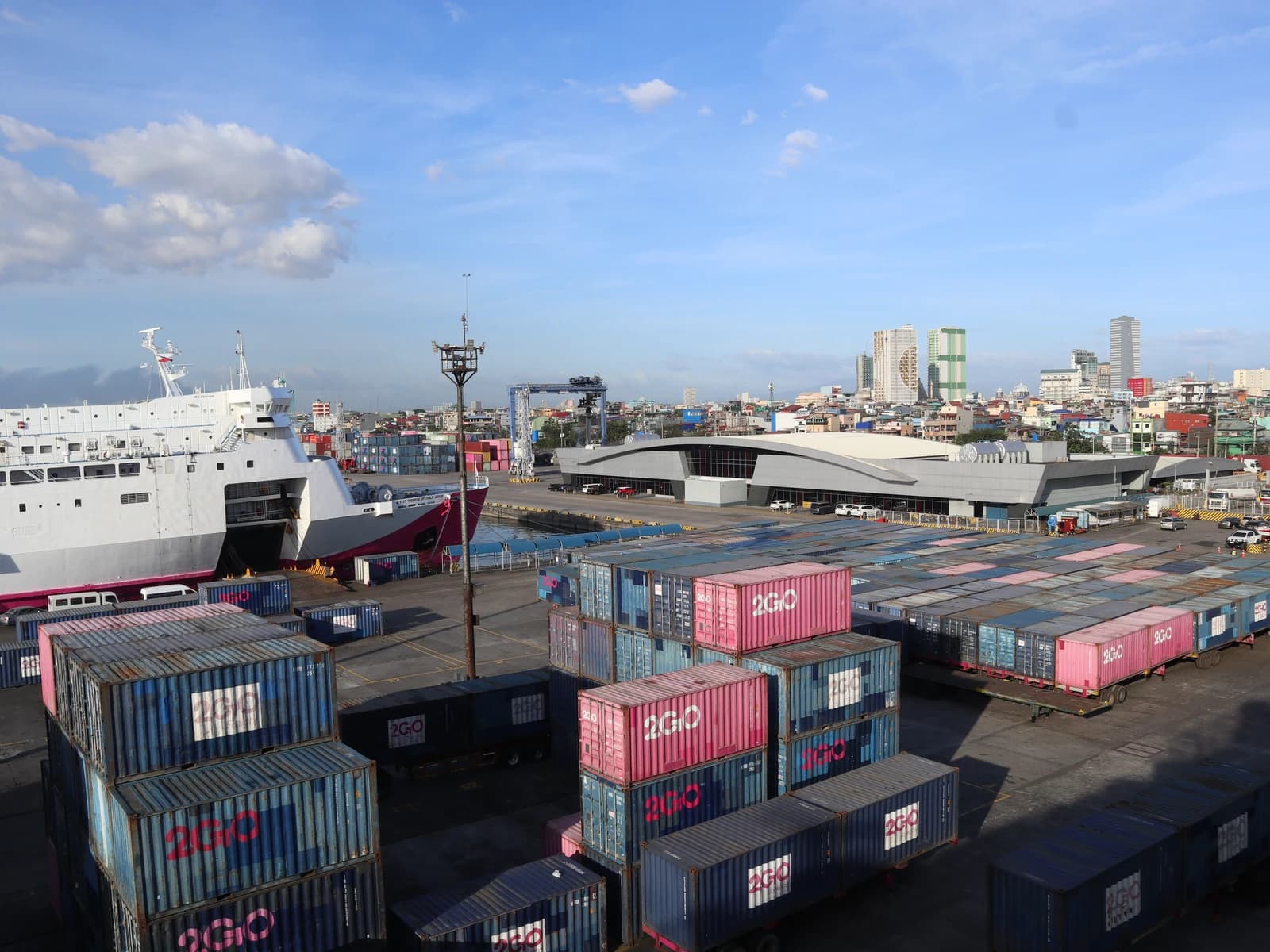
President Ferdinand Marcos Jr. is betting that new supply-chain investment from the US, Japan and Europe can help anchor growth through the Luzon Economic Corridor and the US-backed Pax Silica initiative, which Manila hopes will draw in multibillion-dollar commitments and reduce reliance on Chinese manufacturing networks. But the strategy comes with a geopolitical premium: any flare-up around disputed waters could rattle trade routes, scare off investors and deepen pressure on an economy already facing inflation, corruption-hit infrastructure spending and the risk of stagflation.
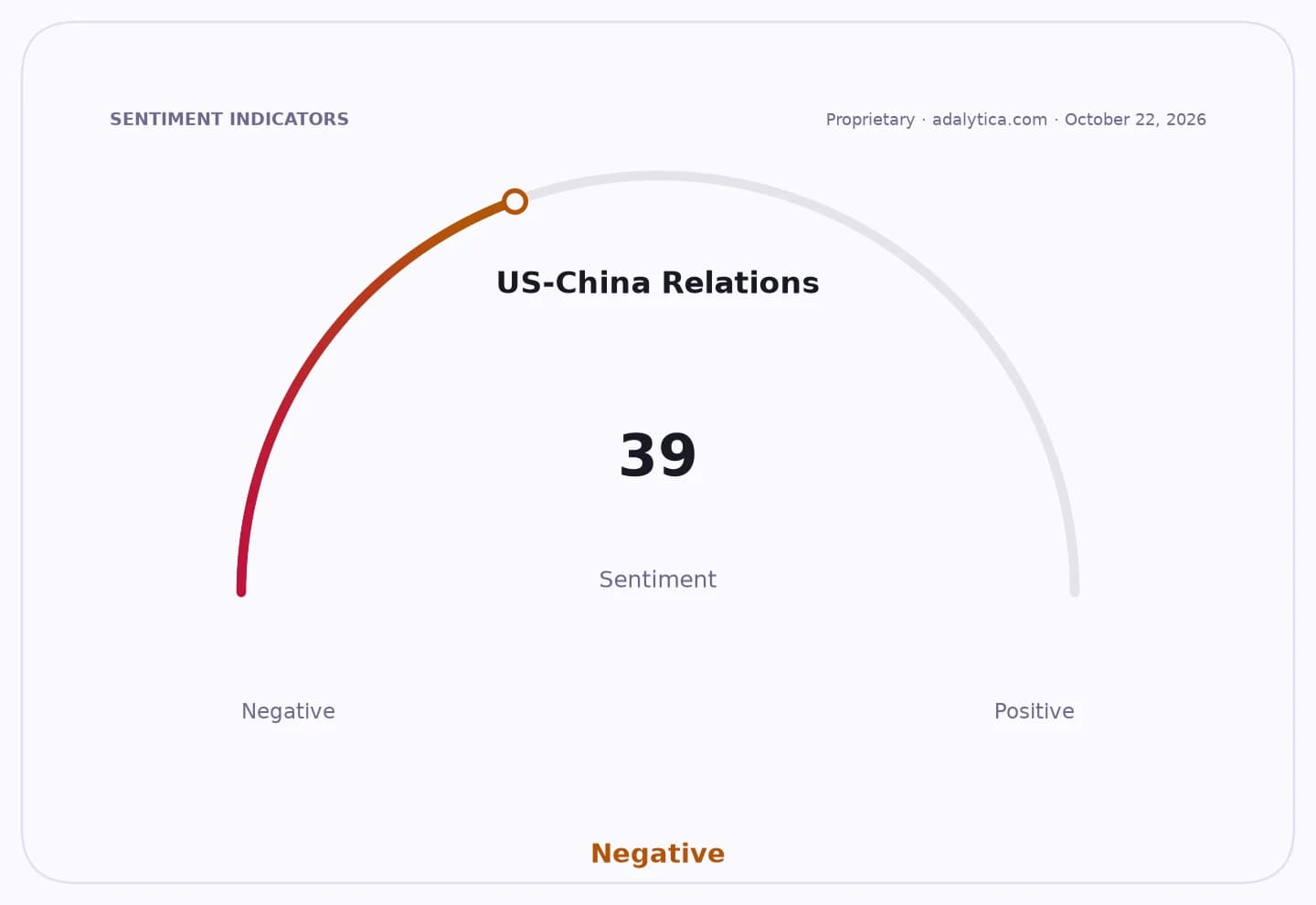
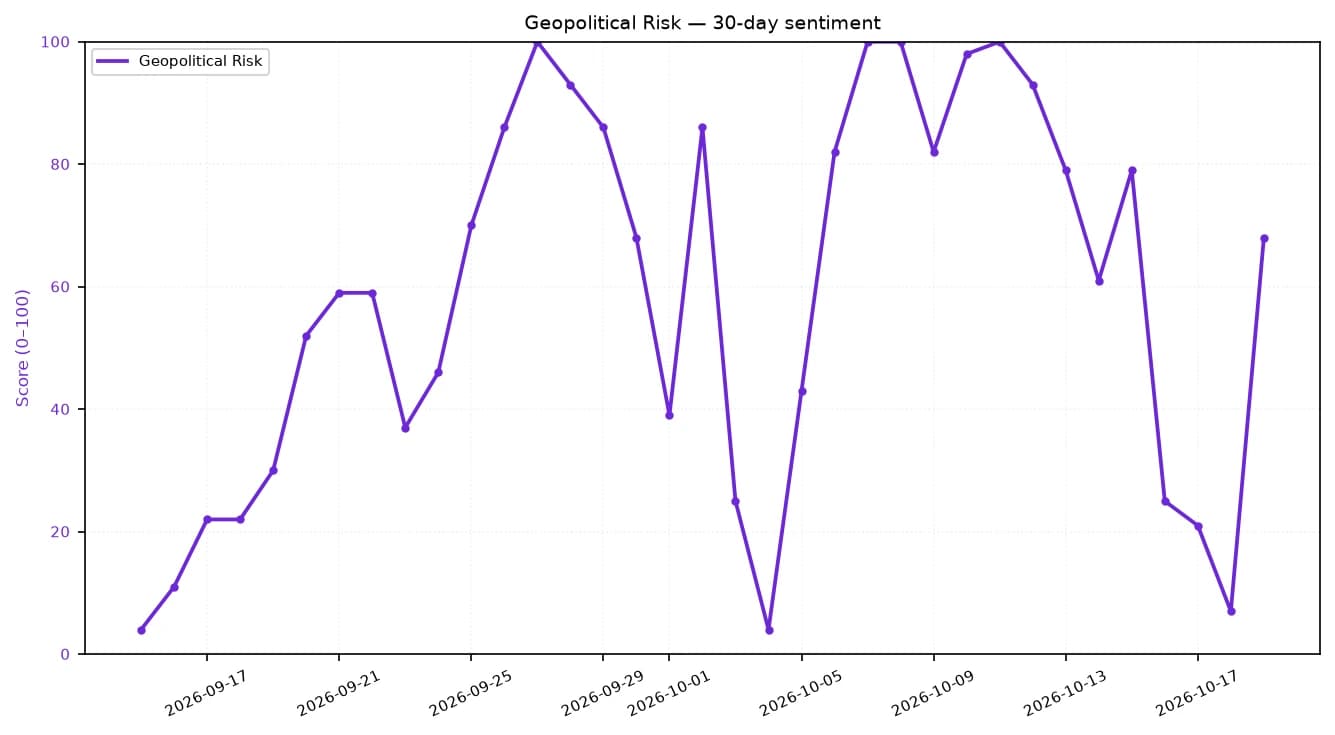
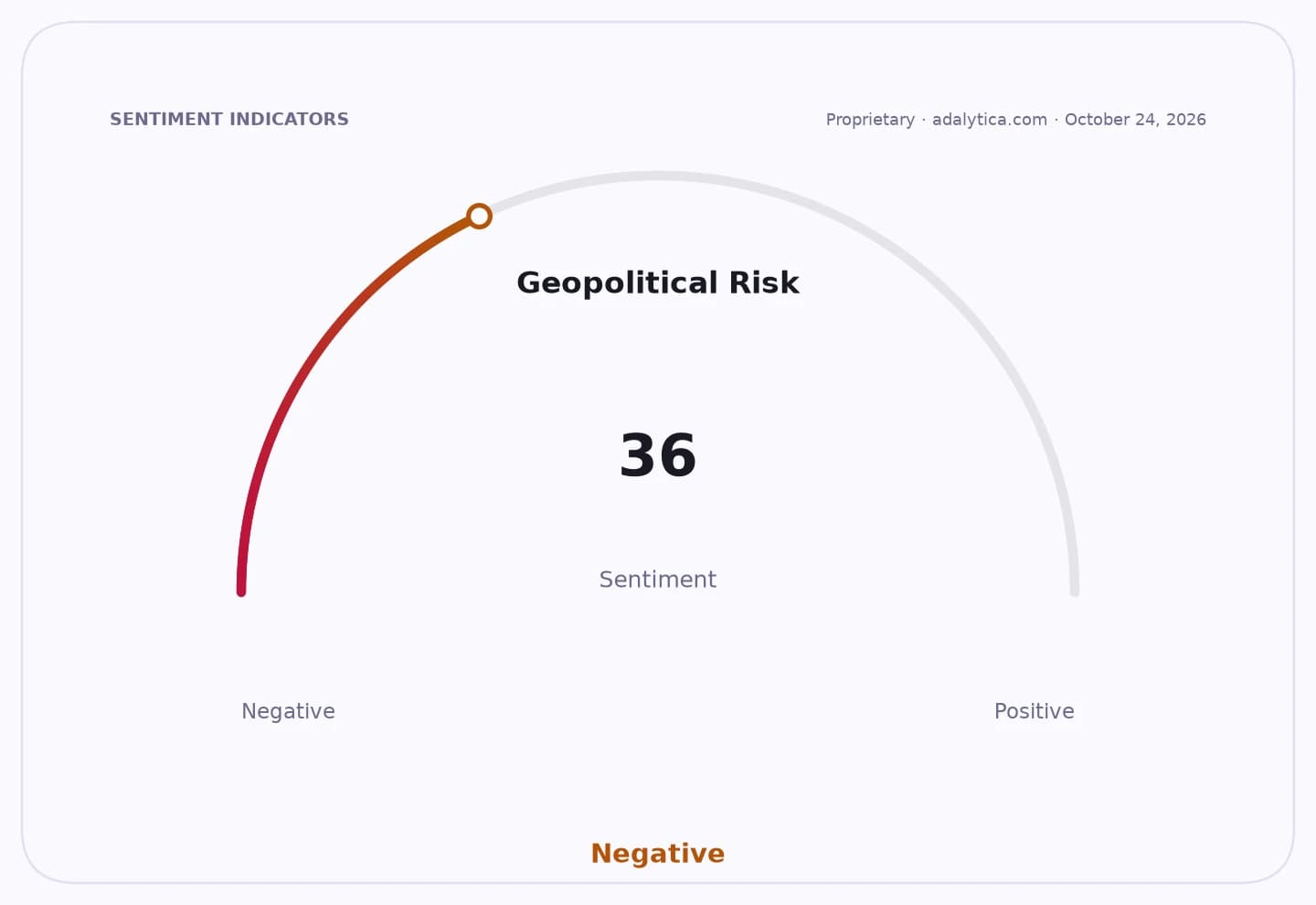
Sentiment IndicatorsⓘProprietary · adalytica.com · October 20, 2026
This is a snapshot — live sentiment, awareness and momentum for 130+ markets update continuously in the dashboard.Open AlphaPulse
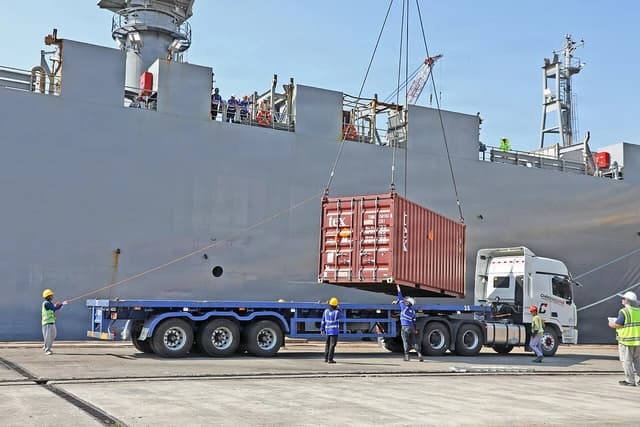
That matters economically because the Philippines is trying to convert strategic alignment into real industrial capacity. A China-light manufacturing base could bring higher-value logistics, semiconductor-related activity and infrastructure investment, but it also depends on foreign capital that is sensitive to politics, execution and regional security. Manila’s challenge is not just attracting announcements, but building plants, ports and transport links fast enough to compete with established regional hubs.
The timing is awkward. China and the Philippines have repeatedly traded accusations over incidents in the South China Sea, and even a limited skirmish would reverberate far beyond the disputed shoal, given the waterway’s role in global commerce. At home, a corruption scandal in flood-control projects has hobbled infrastructure delivery, undercutting the very bottleneck relief needed to support manufacturing expansion.
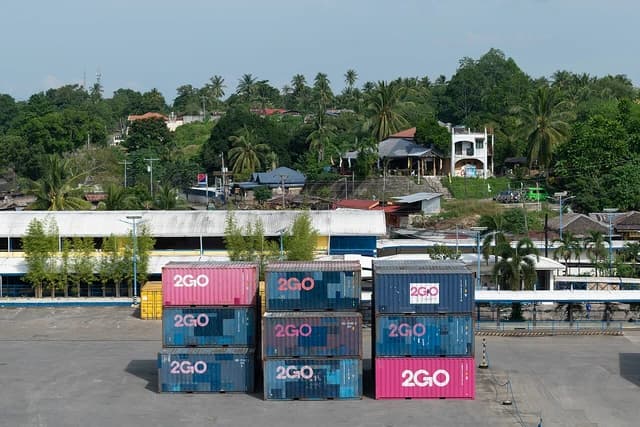
Investors should read the plan as a high-conviction but high-variance bet on policy continuity, foreign policy alignment and execution. A successful Luzon buildout could benefit construction, ports, industrial land and logistics names, while US, Japanese and European suppliers stand to gain from supply-chain diversification. But if tensions escalate or infrastructure delays persist, the same strategy could leave the Philippines exposed to capital flight, higher borrowing costs and missed industrial investment.
For now, Marcos is doubling down on partnerships that fit Washington’s push to diversify critical supply chains. Trump is expected to sign a framework agreement for Pax Silica during a visit to Manila next month, a near-term catalyst that could test whether strategic rhetoric turns into bankable projects.
| Entity | Gains | Losses |
|---|---|---|
| Philippines government | ▲Foreign investment pledges | ▼Policy credibility if projects stall |
| US, Japan, Europe | ▲Diversified supply chains | ▼China-centric manufacturing share |
| Local infrastructure and logistics firms | ▲Industrial buildout demand | ▼Delays from corruption and execution risk |
| China-linked manufacturers | ▲— | ▼Market share in Philippine supply chains |