The Trump administration is trying to turn Central Asia into a bigger source of critical minerals and a larger economic partner for the United States, a move that matters because supply chains for materials such as rare earths, copper and other strategic inputs remain dangerously concentrated.
US Pushes Central Asia Critical Minerals Deals
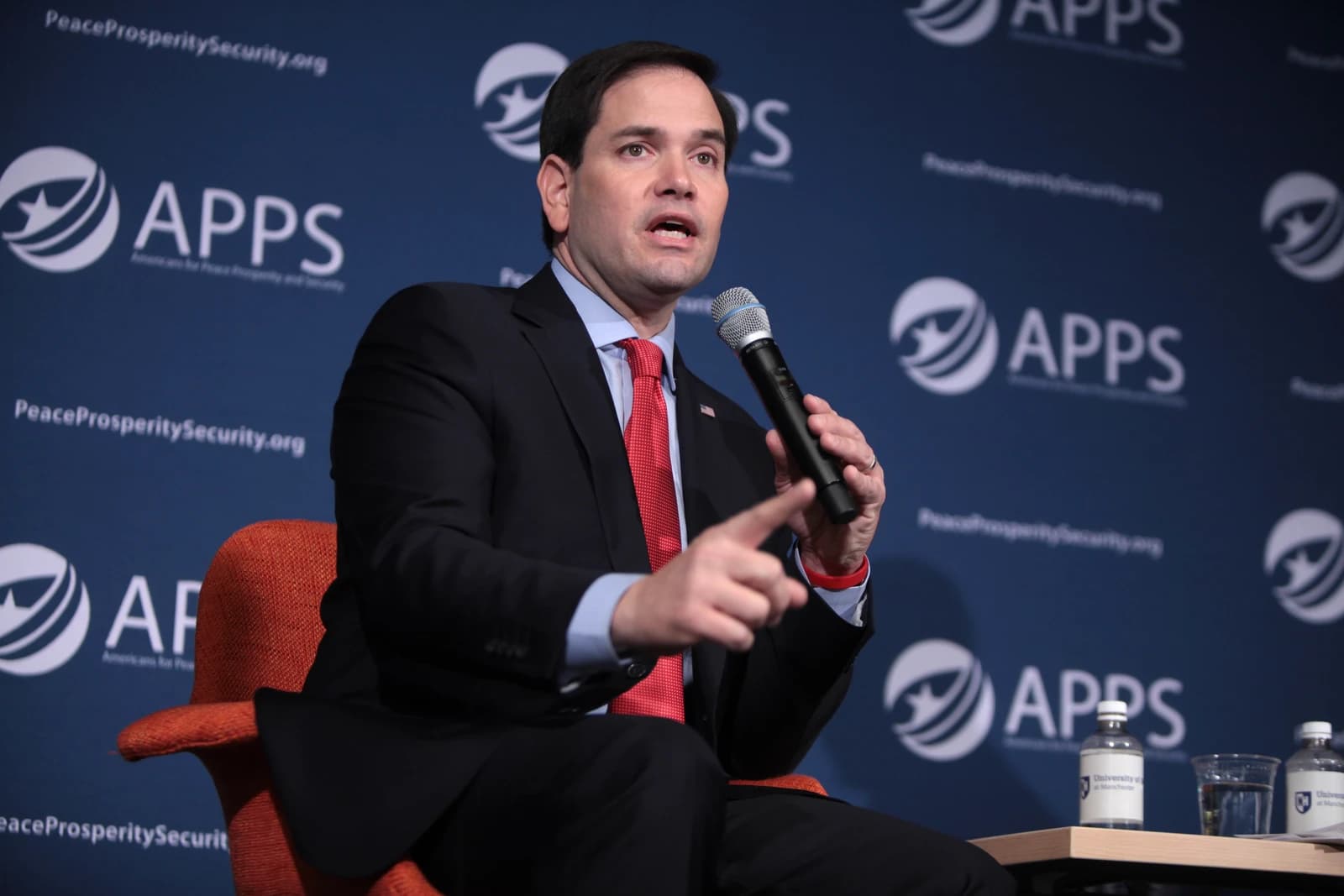
Secretary of State Marco Rubio said on Monday the US wants to expand its economic presence in the region and diversify sourcing away from single-country dependence, a message that goes well beyond diplomacy. For investors, it is another sign that Washington sees critical minerals as a national-security priority and is willing to back that view with trade, investment and corporate outreach.
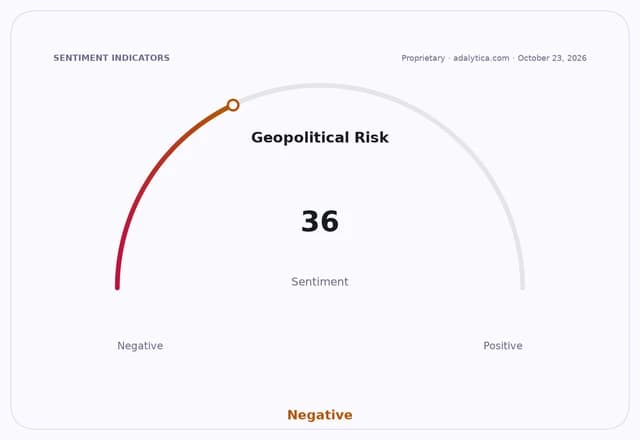
Sentiment IndicatorsⓘProprietary · adalytica.com · October 23, 2026
This is a snapshot — live sentiment, awareness and momentum for 130+ markets update continuously in the dashboard.Open AlphaPulse
Rubio said almost 300 US companies were represented in Samarkand, where talks centered on deals that could be worth billions of dollars. More than 200 American business leaders accompanied him, underscoring that the effort is not just about statecraft but about building commercial channels for mining, processing and logistics.
That is the real economic prize. Central Asia has the raw materials that global manufacturers, defense contractors and clean-energy companies need, but many of those resources still move through highly concentrated supply chains. Washington has been trying to reduce that concentration for years, and the need is now even sharper as companies look for politically safer supply outside China.
Rubio said critical minerals were one area of potential cooperation with Uzbekistan and argued that developing deposits and processing capacity responsibly could also benefit resource-rich countries themselves. That matters for emerging-market investors because the next phase of the mineral boom may not be only about extraction. It may also involve refining, smelting and downstream processing, where value creation is higher and long-term contracts can be stickier.
The market implications are straightforward. Any policy framework that encourages new mineral supply routes can eventually support miners, processors and equipment makers tied to strategic metals. It can also strengthen the case for companies such as MP Materials, Teck Resources and Freeport-McMoRan, which already sit near the center of the critical-minerals conversation and have seen their shares swing with sentiment around supply security and commodity prices.
For Uzbekistan and its neighbors, the pitch is equally clear: more Western investment, more technology transfer and more buyers for their natural resources. For Washington, the goal is to contest China’s economic influence without forcing regional governments to choose sides. Rubio made that explicit, saying the US is competing for economic influence rather than asking Central Asian countries to cut ties with anyone else.
That kind of competition is likely to shape capital flows for years. Central Asia is emerging as a test case for whether the US can translate strategic rhetoric into real mineral supply, and whether investors will be willing to fund projects outside the traditional mining hubs. If the talks produce concrete agreements, the biggest winners will be miners and processors that can help build a more diversified supply chain. The losers are the countries and companies that have benefited from the world’s reliance on a few dominant suppliers.
| Entity | Gains | Losses |
|---|---|---|
| US government | ▲broader mineral security | ▼supply dependence |
| Uzbekistan/Central Asia | ▲investment and technology | ▼reliance on narrow buyers |
| MP, TECK, FCX | ▲strategic supply-chain relevance | ▼policy uncertainty if deals stall |
| China-dominant suppliers | ▲little | ▼market share and leverage |