The Philippines is signaling that it will keep economic and investment channels with China open even as maritime tensions in the South China Sea remain elevated, a reminder that Southeast Asia’s trade flows are still being insulated from a worsening security dispute.
Philippines Keeps China Trade Open Amid Tensions
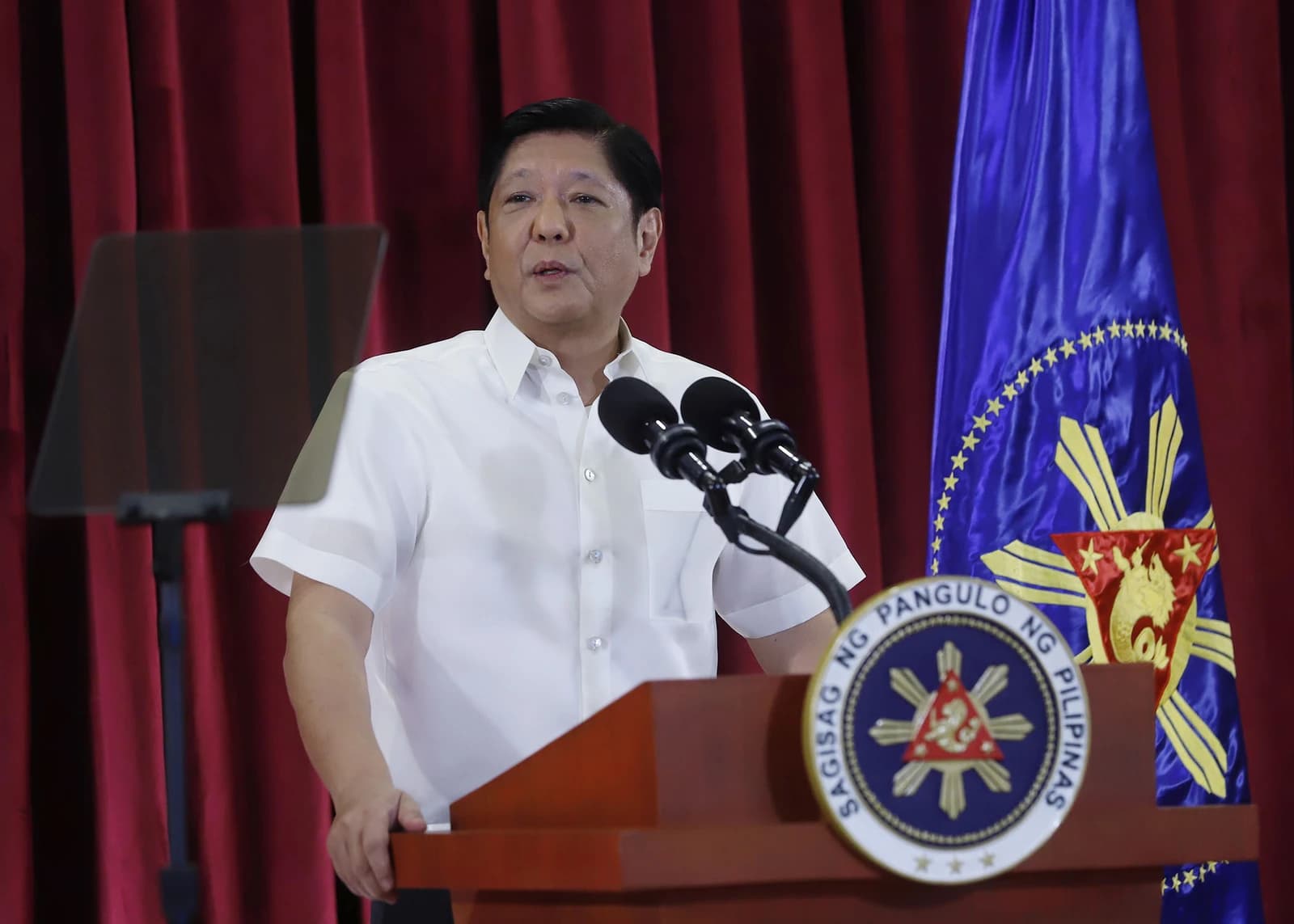
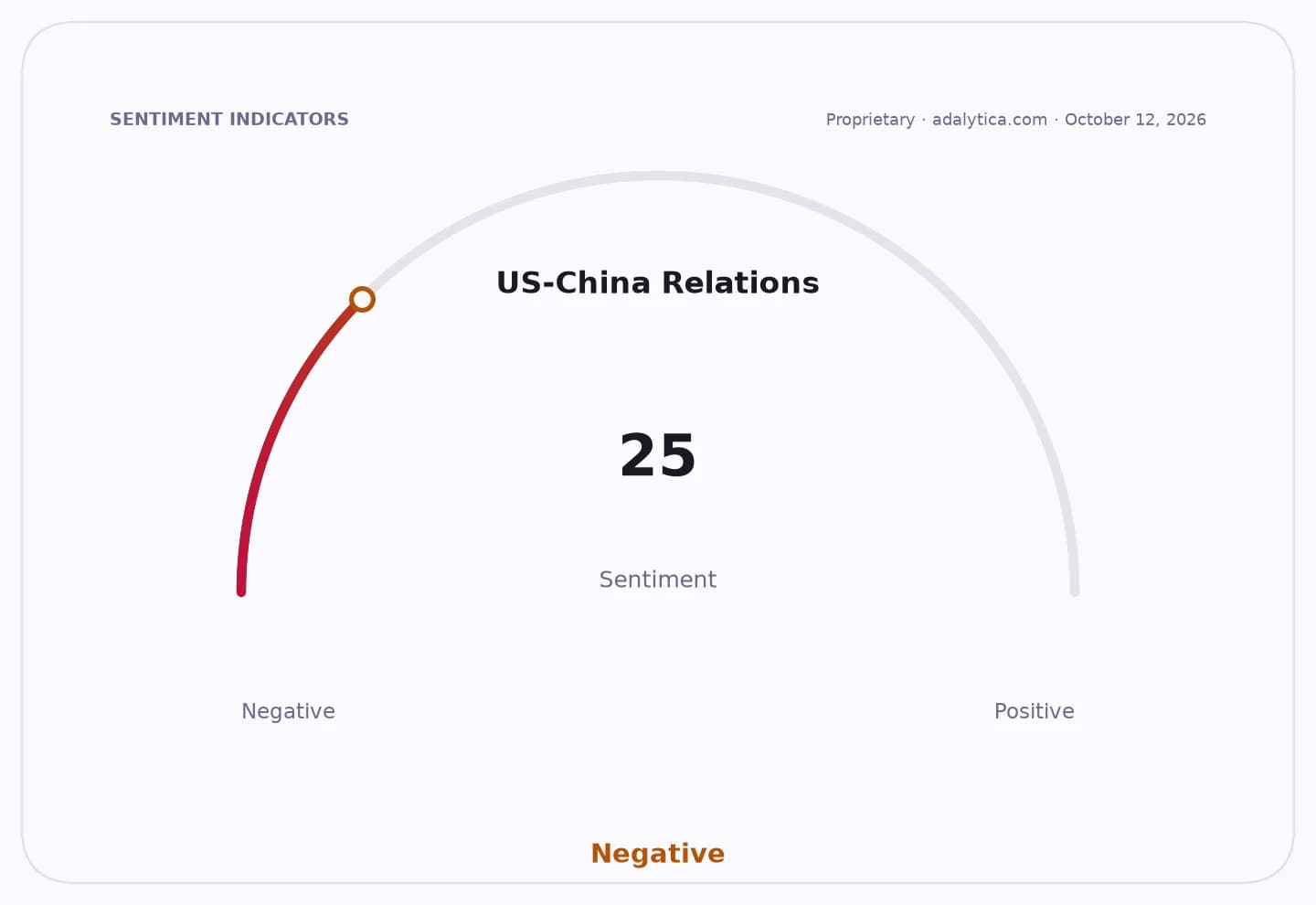
That matters because the most important question for investors is not whether Manila and Beijing disagree — they do — but whether those disputes spill over into commerce, supply chains and capital allocation. For now, President Ferdinand Marcos Jr.’s government is drawing a line between sovereignty and commerce, saying there is “no prohibition” on trade and investment with China and that it wants to deal diplomatically. That stance reduces the risk of a broad economic rupture between two of Asia’s most important neighbors.
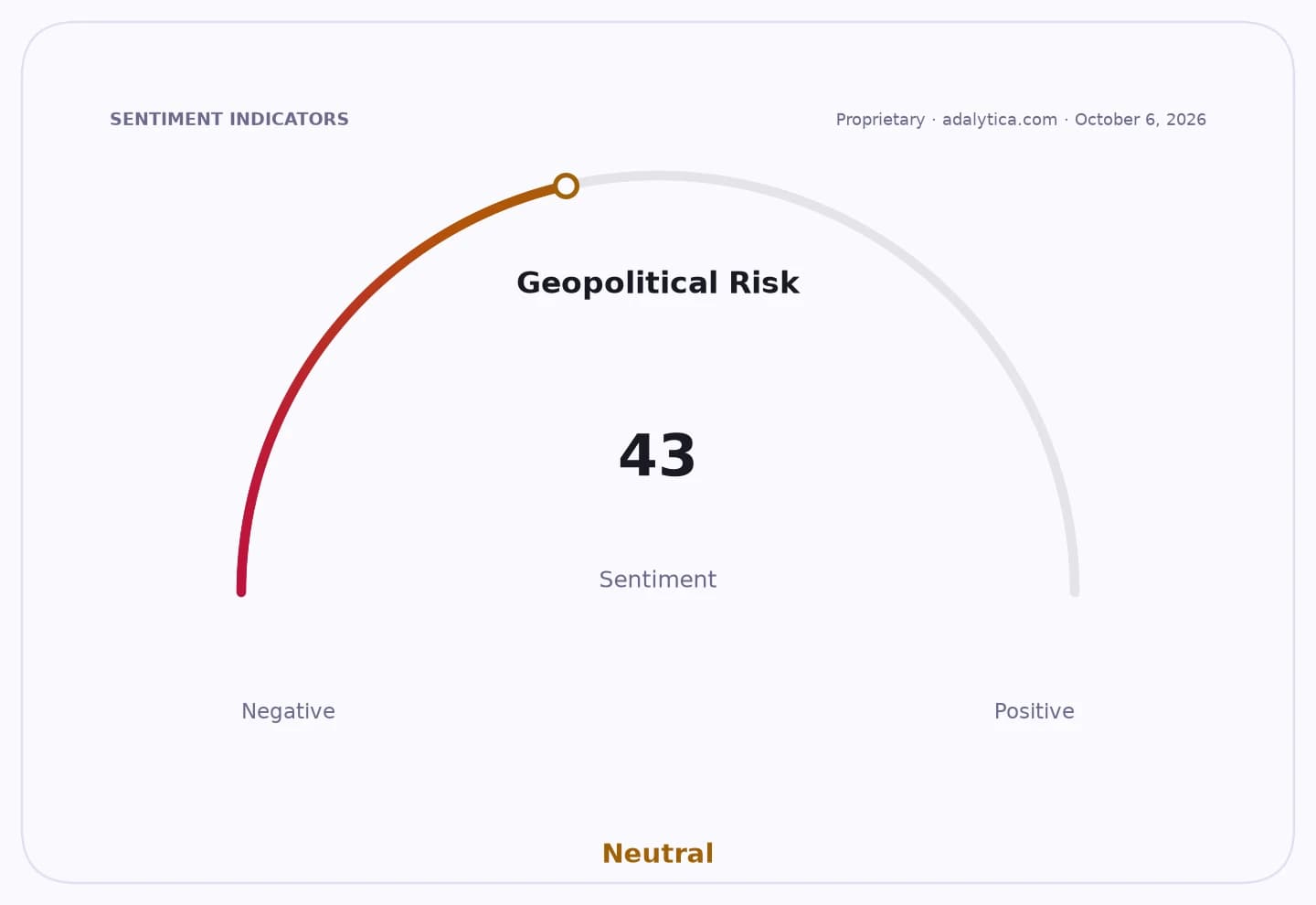
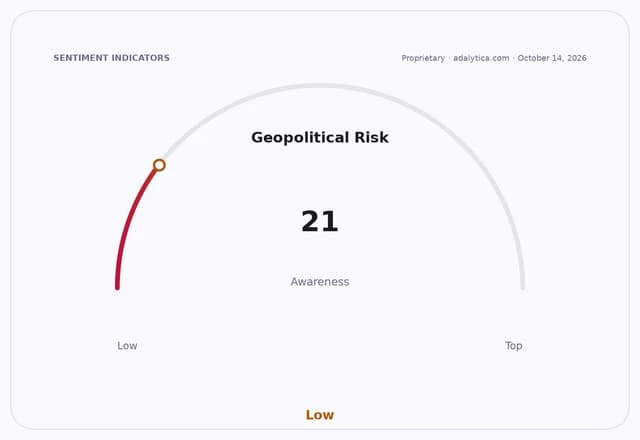
Sentiment IndicatorsⓘProprietary · adalytica.com · October 14, 2026
This is a snapshot — live sentiment, awareness and momentum for 130+ markets update continuously in the dashboard.Open AlphaPulse
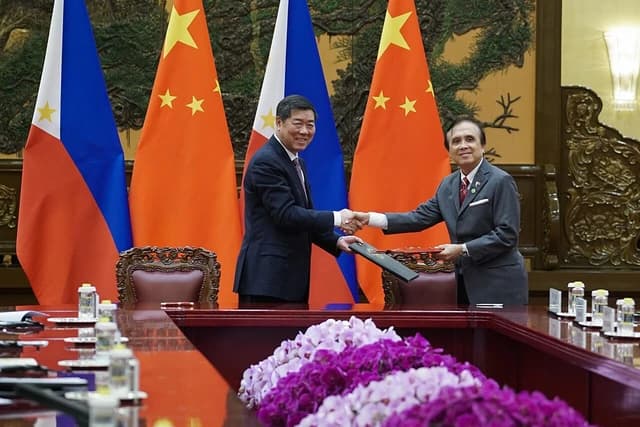
The message is economically significant for a country that relies on foreign capital, imported goods and regional trade. A hard decoupling from China would raise costs for Philippine manufacturers, retailers and infrastructure projects, while forcing businesses to reroute sourcing and financing at a time when global growth is already fragile. By keeping the door open, Manila is trying to preserve commercial optionality even as it leans more heavily on the U.S. for security backing.
For investors, the implication is that geopolitical risk around the Philippines is likely to remain a volatility trade rather than a full-blown de-risking event. That helps explain why the iShares MSCI Philippines ETF, EPHE, has held relatively near its recent trading range around $22.30, even as its 200-day moving average sits higher at about $24.77. The fund’s recent weakness reflects caution, but not panic. In plain terms, the market is pricing friction, not rupture.
China exposure still matters beyond the Philippines itself. The broader China equity proxy, the iShares China Large-Cap ETF, FXI, has also been soft, closing around $33.83, below its 200-day moving average near $35.90. That tells you investors are still unwilling to pay up for China-linked assets when geopolitical headlines keep resurfacing. But it also hints at opportunity in selective names and markets where trade links remain intact while political rhetoric hardens.
The real narrative here is that Asia’s geopolitical map is becoming more complex, not more closed. Countries like the Philippines are trying to hedge: defend territorial claims, preserve military ties with the U.S. and still keep the economic relationship with China alive. That balancing act should support companies and funds exposed to Philippine domestic demand, logistics, ports, consumer spending and infrastructure, while limiting the odds of a sudden economic shock from a complete break with Beijing.
The next catalyst will be whether diplomatic language translates into steadier maritime management or whether fresh confrontations force policy makers to revisit the line between security and commerce. For now, the investable takeaway is clear: the market should treat Philippines-China tensions as a headline risk, but not yet as a reason to abandon the country’s growth story. In a world of fractured geopolitics, the ability to keep trading with both sides is itself an economic asset.
| Entity | Gains | Losses |
|---|---|---|
| Philippines | ▲Keeps trade and investment channels open | ▼Faces continued sovereignty risk |
| China | ▲Preserves commercial access to a key neighbor | ▼Loses leverage from outright economic pressure |
| EPHE | ▲Benefits from reduced decoupling fears | ▼Suffers from geopolitical volatility |
| FXI | ▲Gains if regional trade stays intact | ▼Loses on persistent China risk premium |