The Philippines is drawing lessons from Ukraine’s drone war to harden its defenses in the South China Sea, a shift that could accelerate demand for cheap, unmanned systems while reshaping how Southeast Asian militaries think about deterrence.
Philippines Eyes Ukraine Drone Lessons for South China Sea

The pivot matters economically because drones are far less expensive than the ships, aircraft and missile systems they are designed to threaten or protect, making them an attractive way for smaller militaries to stretch budgets against better-armed rivals. It also matters for defense contractors and suppliers that stand to benefit if Manila broadens purchases of surveillance, loitering and strike drones, electronic warfare tools and command-and-control software.
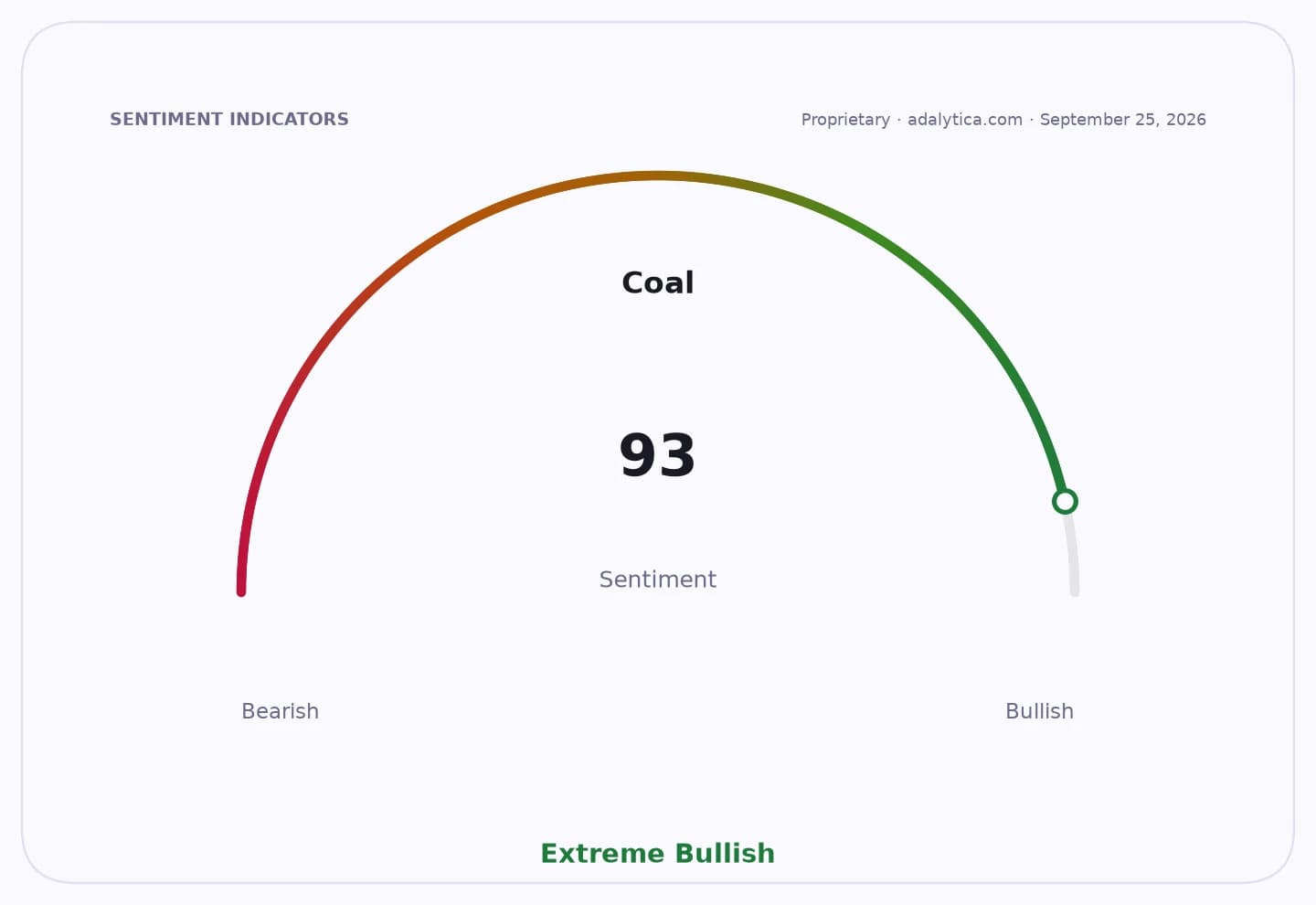
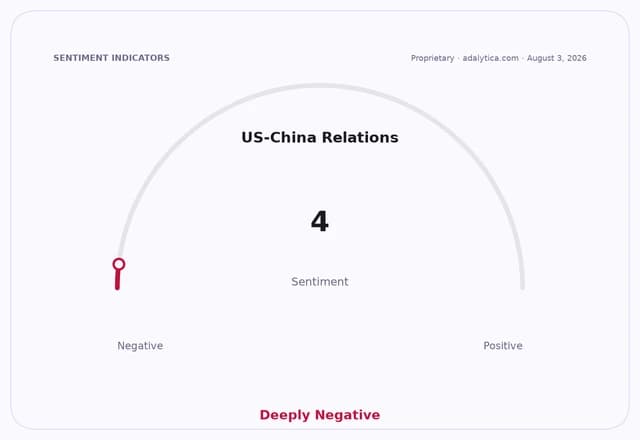
Sentiment IndicatorsⓘProprietary · adalytica.com · August 3, 2026
This is a snapshot — live sentiment, awareness and momentum for 130+ markets update continuously in the dashboard.Open AlphaPulse
The backdrop is a sharp rise in drone warfare across the Black Sea, where Ukraine’s attacks on Russian shipping and targets in Crimea have forced Moscow to reroute vessels and add protection. That campaign has underlined how relatively low-cost unmanned systems can disrupt trade routes, raise insurance and security costs and complicate maritime logistics far beyond the battlefield.
For investors, the story keeps the defense-unmanned theme in focus. Kratos Defense & Security Solutions shares closed at $46.60 on July 31, below the 50-day moving average of $52.79 and the 200-day average of $75.15, even after an earlier jump to $118.06 in January; the stock’s recent rebound has not erased the volatility. Lockheed Martin ended at $582.74, above both its 50-day average of $528.20 and 200-day average of $540.41, while Northrop Grumman finished at $542.48, just above its 50-day average but still below its 200-day average of $602.95.
That mix suggests the market is still sorting winners in the defense trade as governments move from concept to procurement. The next catalyst is whether the Philippines turns its Ukraine-inspired interest into orders, exercises or doctrine changes that would validate demand for drone systems in the Western Pacific.
| Entity | Gains | Losses |
|---|---|---|
| Philippines | ▲Cheaper deterrence options | ▼Reliance on legacy platforms |
| Drone makers | ▲New procurement demand | ▼Slower big-ticket weapons sales |
| Regional exporters | ▲Stronger maritime security | ▼Higher disruption risk |
| China | ▲— | ▼Greater surveillance and defense pressure |