The latest flare-up in the Middle East is reminding markets that Iraq’s Popular Mobilisation Forces, or PMF, sit at the centre of a wider contest over oil supply security, state sovereignty and Iranian influence.
PMF Risks Keep Oil Risk Premium Elevated
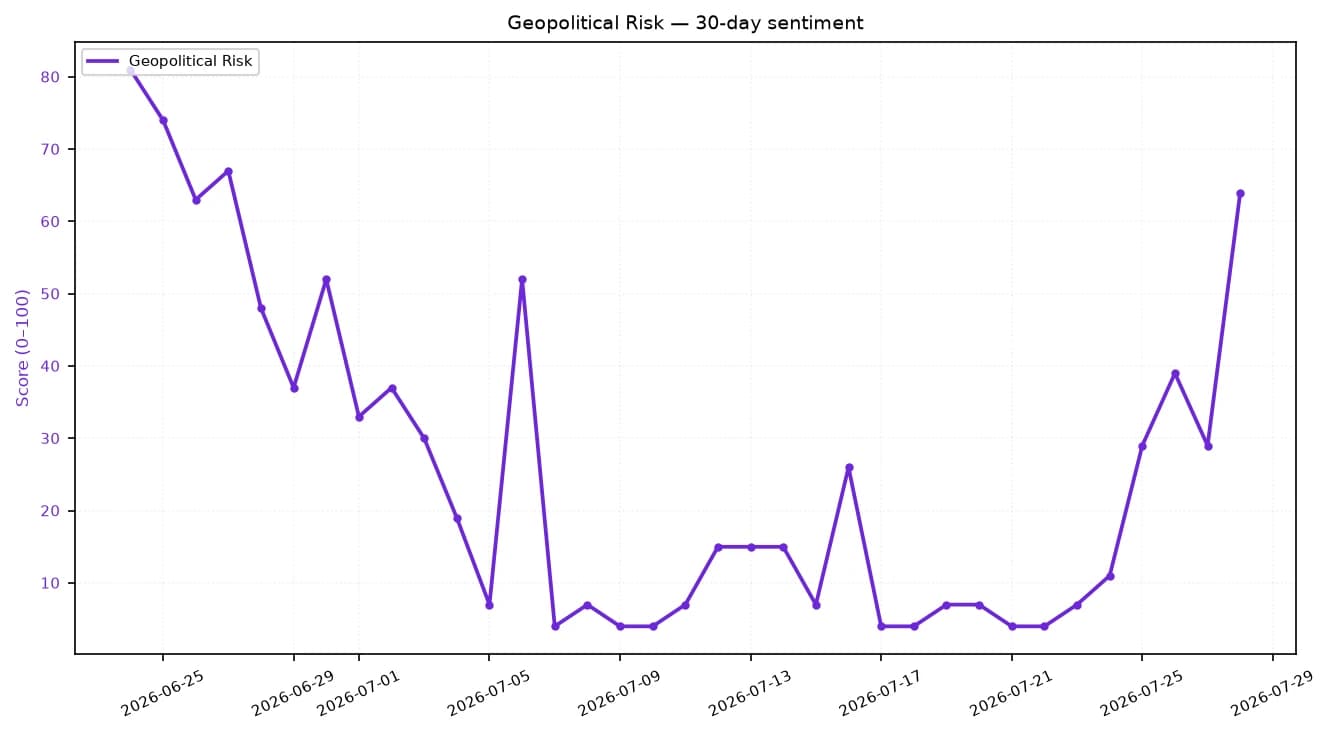
For investors, that matters because the PMF and allied militias are part of the network that has repeatedly threatened Saudi and regional energy infrastructure, helping keep a geopolitical risk premium embedded in crude even as prices swing on supply-demand fundamentals. The recent Saudi interception of a drone attack blamed on Iran-backed Iraqi armed groups, alongside Houthi strikes on Saudi oil facilities and fresh attacks in Kuwait, reinforces the view that the region’s energy chokepoints remain vulnerable to asymmetric warfare.
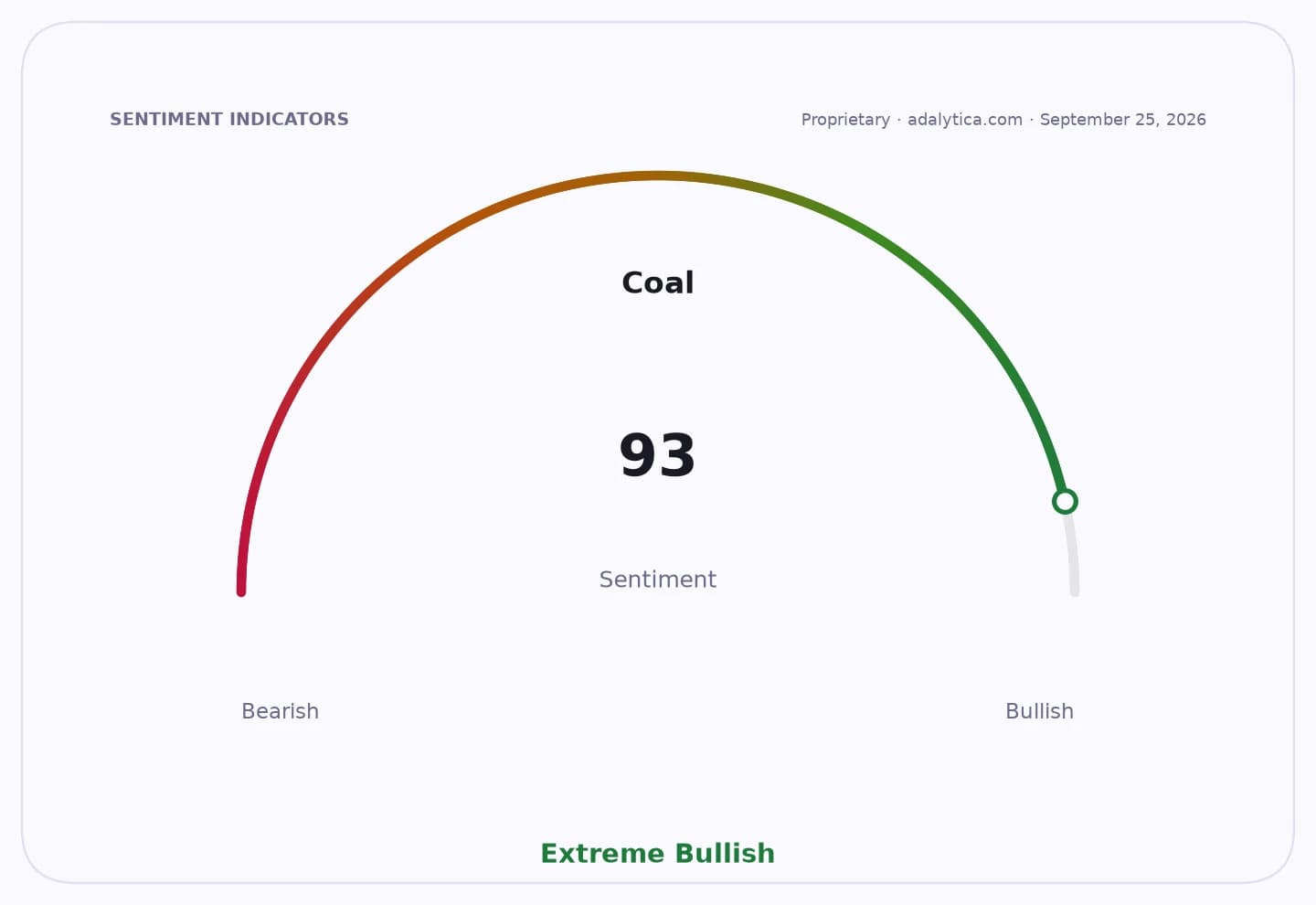
Sentiment IndicatorsⓘProprietary · adalytica.com · July 29, 2026
This is a snapshot — live sentiment, awareness and momentum for 130+ markets update continuously in the dashboard.Open AlphaPulse
The PMF is an umbrella force of mostly Iraqi Shiite militias created in 2014 to fight Islamic State after Grand Ayatollah Ali al-Sistani called for volunteers to defend the country. It was later folded into the Iraqi state as an official security institution, but in practice it remains fragmented, with some factions reporting directly to Baghdad and others maintaining close political and military ties to Tehran. That ambiguity is what makes it so contentious: to supporters, the PMF is a legitimate anti-ISIS force and part of Iraq’s security architecture; to Washington and Riyadh, it is also a conduit for Iranian power projection that can be used to pressure US interests, intimidate Gulf states and complicate Iraq’s sovereignty.
That is why the US has repeatedly targeted PMF-linked elements when they are seen as part of attacks on American personnel or regional allies. Washington’s concern is not simply about one militia or one strike, but about the broader network of groups that can launch drones and rockets from Iraqi territory while giving Iran deniability. Saudi Arabia sees a related danger. Its oil system is deeply exposed to drone and missile threats, and the kingdom has already learned from past attacks that relatively cheap, low-signature weapons can disrupt output, damage infrastructure and rattle global markets.
The market implication is straightforward. Brent and WTI may still move with OPEC policy, inventories and growth expectations, but geopolitical shocks in the Gulf can quickly dominate trading when supply security is questioned. That is one reason crude-linked equities have stayed bid during episodes of regional escalation. USO, a proxy for WTI, has remained volatile, while energy shares in the XLE and shale names in the XOP have held up better than the broader market because traders are paying for upside exposure to any renewed supply disruption. Standard technical indicators on those funds also show that momentum remains elevated even after recent pullbacks, suggesting the market is still pricing risk rather than dismissing it.
The economic stakes are broader than a single oil-price spike. Higher and more volatile crude tends to feed into transport costs, inflation expectations and central-bank calculations, especially when the shock is driven by geopolitics rather than demand. That is particularly relevant now that 10-year Treasury yields are holding near the mid-4% area, leaving bond markets sensitive to any renewed inflation impulse from energy.
The bull case for oil bulls is that the region remains one drone attack or retaliatory strike away from a larger disruption, and that the PMF-linked militia ecosystem keeps the probability of escalation elevated. The bear case is that, so far, attacks have not produced a sustained outage in Gulf exports, and the market has become somewhat desensitised to periodic threats. But even without a major supply loss, the persistence of PMF-linked violence helps explain why energy risk premia have not disappeared.
For now, the PMF matters because it embodies a larger problem: the overlap of state and non-state force in the world’s most important oil-producing region. As long as that structure endures, Saudi Arabia, the US and oil investors will keep treating Iraqi militias not as a local security issue, but as a global market variable.
| Entity | Gains | Losses |
|---|---|---|
| Oil bulls | ▲Higher risk premium | ▼Fewer downside hedges |
| Saudi Arabia | ▲Deterrence justification | ▼Infrastructure exposure |
| US policy makers | ▲Stronger case for strikes | ▼Higher escalation risk |
| PMF-linked militias | ▲Leverage and relevance | ▼Greater military pressure |