Poland’s 2025 budget is set to devote tens of billions of zlotys to servicing debt, underscoring how rising borrowing costs and a widening deficit are squeezing the government’s room to maneuver.
Poland 2025 budget debt-service burden rises
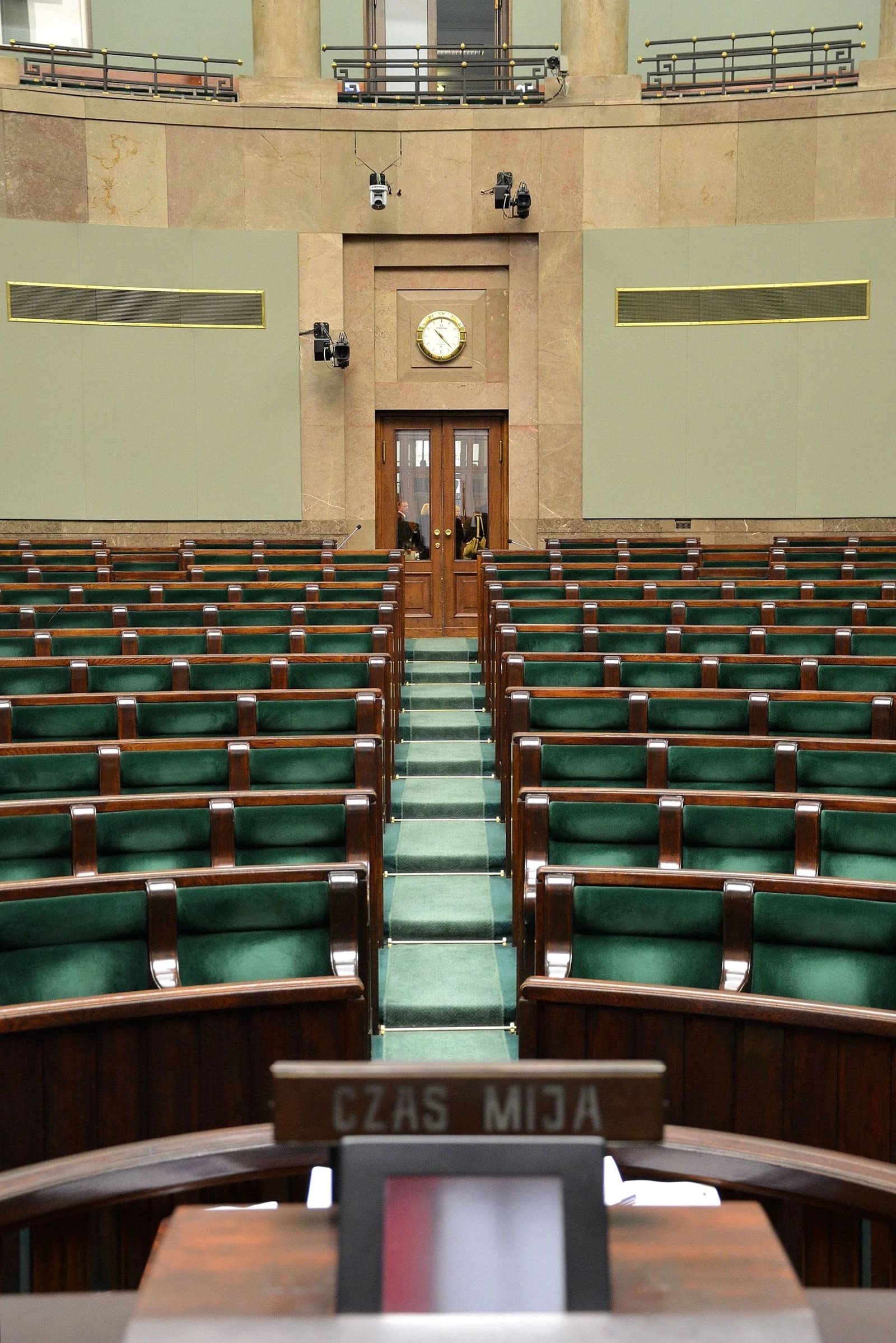
The spending burden matters because every zloty earmarked for interest is a zloty unavailable for defense, investment or household support at a time when Warsaw is trying to balance growth, security and fiscal discipline. It also raises the cost of keeping the state funded if bond yields stay elevated.
Sentiment IndicatorsⓘProprietary · adalytica.com · July 30, 2026
This is a snapshot — live sentiment, awareness and momentum for 130+ markets update continuously in the dashboard.Open AlphaPulse
Economists are already warning that the impact of current stimulus will be temporary. Expenditures tied to the SAFE program are expected to lift industrial production growth by about 1.6 percentage points in the second half of 2026 and add 0.3 percentage point to GDP for the year, but that boost should fade sharply in 2027.
That makes the debt-service line in next year’s budget more than an accounting item. Poland is confronting one of the fastest increases in public debt in the European Union, and the Supreme Audit Office has urged a gradual, timely reduction in the deficit and debt to avoid harsher and more expensive cuts later.
For investors, the combination of higher debt servicing and fast-rising borrowing needs keeps pressure on Polish sovereign bonds and limits how much fiscal support the government can deploy if growth weakens. It also matters for the zloty, which is trading with strong short-term momentum but remains exposed if markets start to question the sustainability of the fiscal path.
Adalytica trade signals show extreme greed in the zloty, suggesting near-term positioning is stretched even as broader euro sentiment has improved. That leaves the currency and local fixed income vulnerable if the budget confirms a bigger financing load or if markets demand a higher risk premium for Polish debt.
The key question now is whether Warsaw can pair short-term support for industry and defense with a credible medium-term plan to slow debt accumulation. The answer will shape Poland’s borrowing costs, the zloty and investor appetite for the country’s assets into 2026 and beyond.
| Entity | Gains | Losses |
|---|---|---|
| Polish government | ▲Short-term growth support | ▼Higher debt-service burden |
| Domestic industry | ▲SAFE spending boost | ▼Less fiscal room later |
| Bond investors | ▲Higher yield opportunity | ▼More fiscal risk |
| Zloty bulls | ▲Near-term momentum | ▼Risk from fiscal slippage |




