Poland’s retreat from coal and shift toward wind power is turning from a political slogan into an investable economic change, and the losers are becoming clearer: miners, legacy power producers and the old heavy-industry supply chain.
Poland's Coal Retreat Boosts Wind and Grid Winners
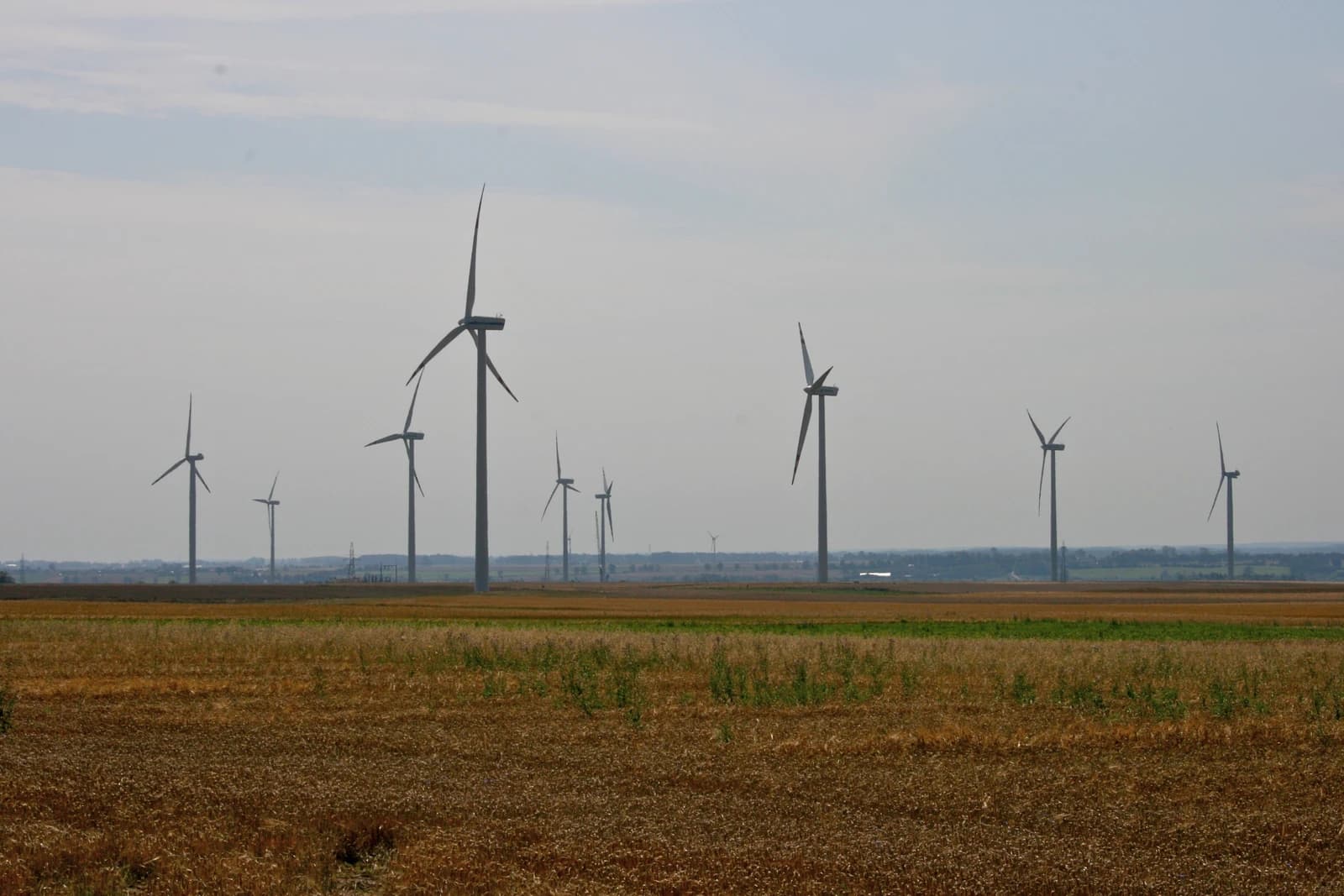
That matters because Poland still sits at the center of Europe’s energy security debate. Every megawatt of domestic renewable capacity that displaces imported fuels or expensive coal-fired generation lowers system costs, reduces exposure to volatile commodity markets and pulls capital toward grid upgrades, turbines, storage and project developers. For investors, the trade is no longer about whether the transition happens; it is about who captures the capex.
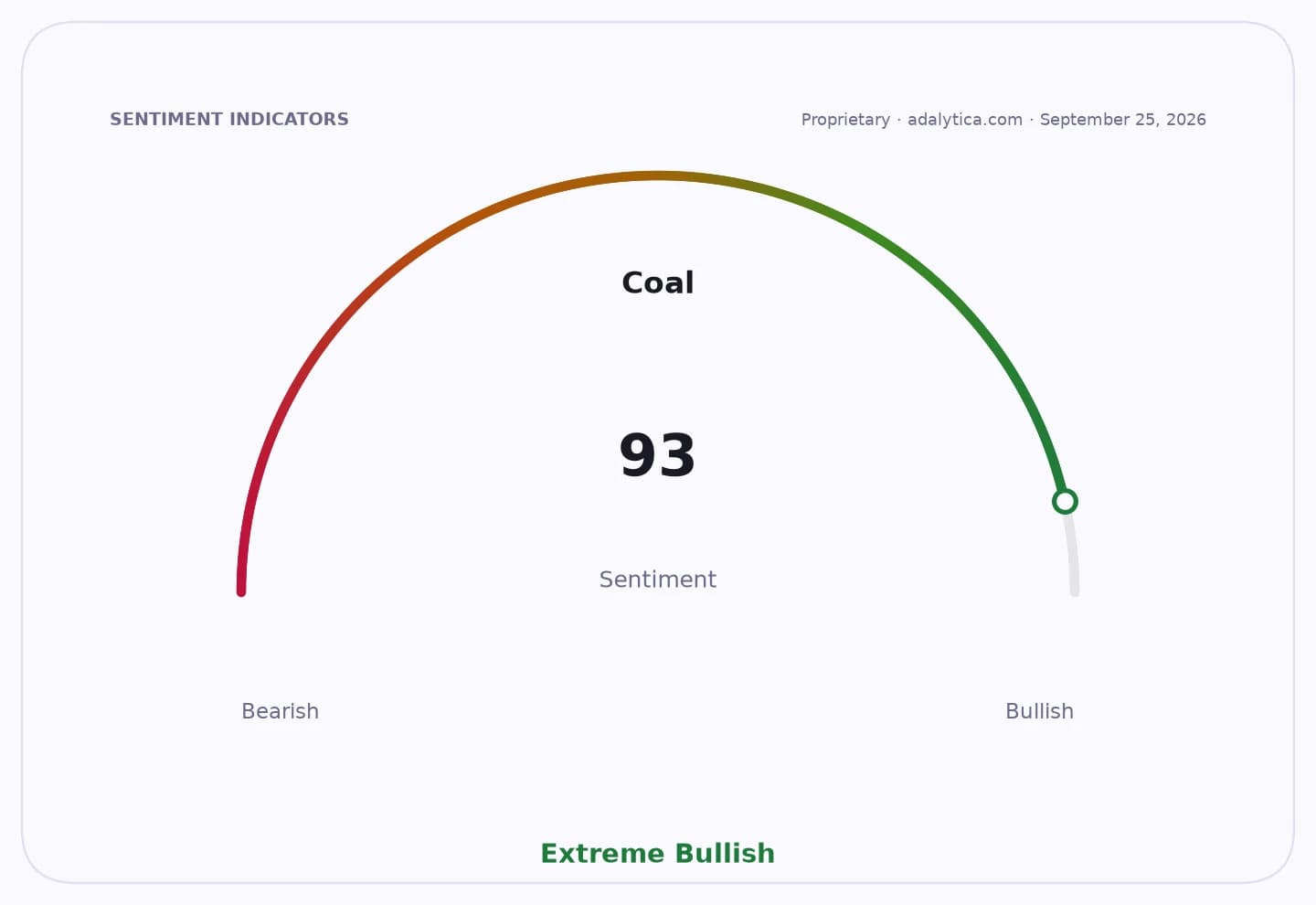
Sentiment IndicatorsⓘProprietary · adalytica.com · July 17, 2026
This is a snapshot — live sentiment, awareness and momentum for 130+ markets update continuously in the dashboard.Open AlphaPulse
The market is already hinting at that rotation. Enlight Renewable Energy Ltd. has surged from the mid-$40s in late January to about $90.81, while Brookfield Renewable Energy Partners has edged up to $15.15, both showing that capital continues to reward companies with direct exposure to the buildout of clean power infrastructure. By contrast, the coal-heavy parts of the Polish economy face an existential squeeze as carbon costs, aging assets and tighter financing conditions make the old model harder to defend.
The macro backdrop helps explain why the change has momentum. Adalytica’s Global Stability Sentiment is flashing “Extreme Fear,” underscoring how geopolitical stress is reinforcing the push for domestic energy sources. At the same time, benchmark U.S. 10-year Treasury yields remain around 4.56%, a reminder that higher financing costs can punish inefficient legacy assets while favoring developers with scalable projects, contracted cash flows and access to institutional capital.
The opportunity set is broader than the obvious utility names. Wind turbines, grid equipment, interconnection, battery storage, engineering and procurement firms, and even select industrial suppliers stand to benefit from the reallocation of capital away from coal mines and toward renewable infrastructure. That is the kind of second-order trade the market often misses early: not just power producers, but the toll roads of the transition.
There is also a policy angle investors should not ignore. Europe’s energy strategy is increasingly being shaped by security as much as climate goals, and that means governments are more willing to back domestic generation, fast-track permitting and modernize transmission. In Poland, that can translate into a longer runway for renewable developers and a shorter one for miners whose social importance no longer guarantees economic relevance.
My thesis is simple: the market underestimates how quickly Poland’s energy mix can reprice the winners and losers. If you want exposure, look past the coal names and toward the picks-and-shovels of electrification — developers, grid-linked infrastructure and renewable platforms with scale, access to capital and visibility on long-duration cash flow. The coal pits are fading; the wind turbines are where the next compounding begins.
| Entity | Gains | Losses |
|---|---|---|
| Wind developers | ▲Higher project pipeline | ▼Coal miners |
| Grid and storage suppliers | ▲Rising capex demand | ▼Legacy utilities |
| Polish consumers | ▲Lower long-term power costs | ▼High-cost coal generation |
| Renewable investors | ▲Contracted cash flows | ▼Fossil fuel assets |