Poland is moving deeper into a security-driven economic cycle, with the country reopening Cold War-era shelters and preparing for the possibility of conflict with Russia even as the zloty and Poland-focused assets sit under pressure.
Poland defense spending and zloty pressure
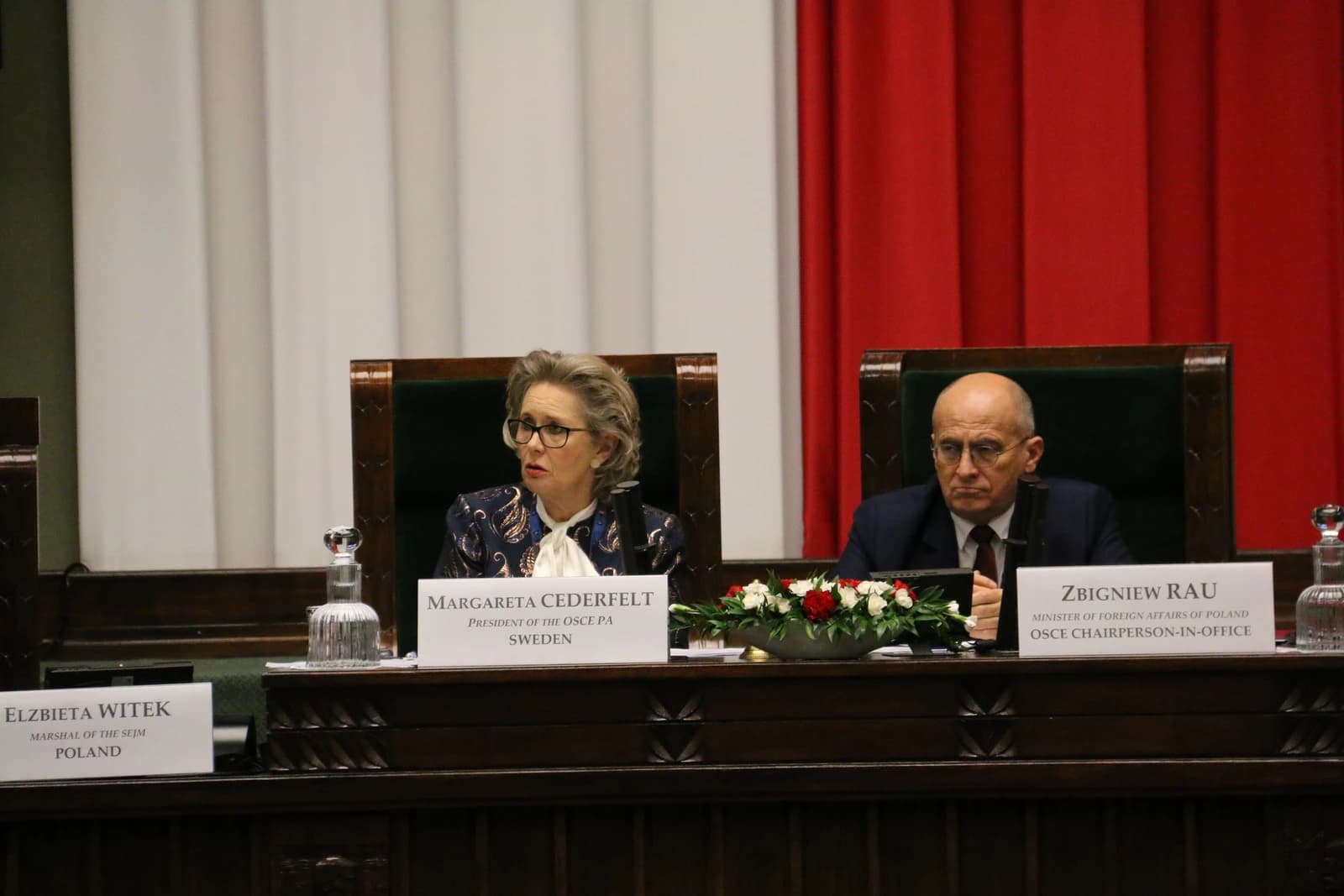
That matters because defense readiness is no longer just a military issue for Poland; it is becoming a lasting budget, infrastructure and investment theme. When a government starts hardening shelters and signaling emergency preparedness, investors should expect higher public spending on security, communications and civil defense, alongside a higher risk premium on domestic assets.
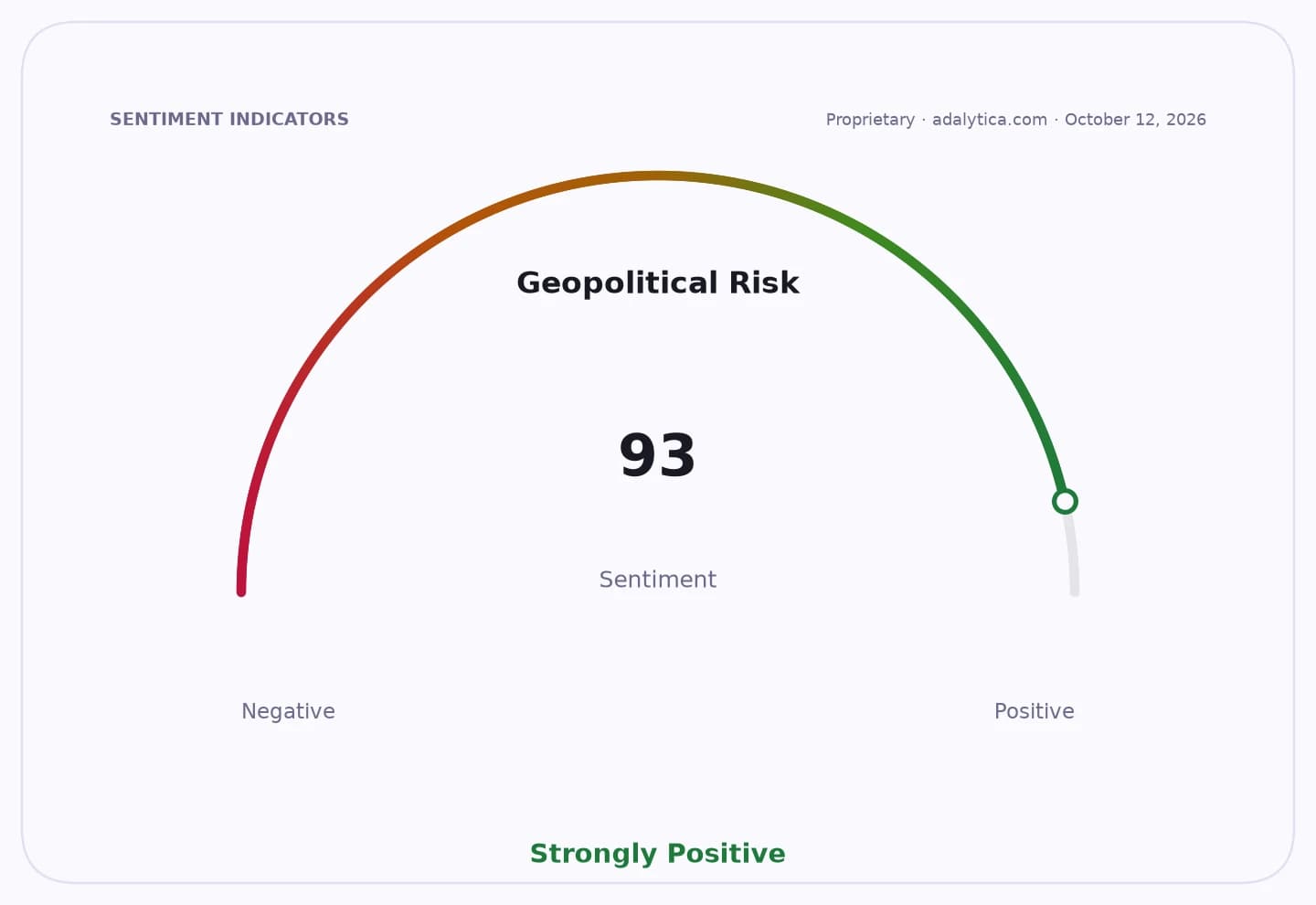
Sentiment IndicatorsⓘProprietary · adalytica.com · October 12, 2026
This is a snapshot — live sentiment, awareness and momentum for 130+ markets update continuously in the dashboard.Open AlphaPulse
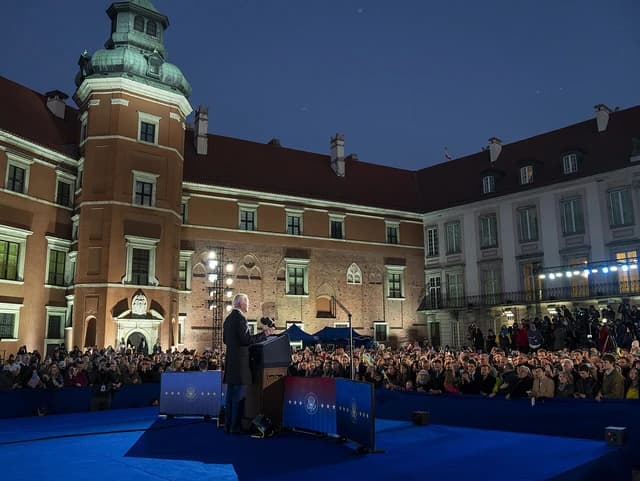
The market backdrop reflects that tension. The euro trade signal snapshot shows extreme fear, while global stability gauges point to very elevated geopolitical anxiety even as awareness of the risk remains low. In plain English, investors are wary of regional instability, but the broader market is still not pricing the tail risk with much conviction.
Poland’s own currency has been choppy. The zloty, tracked via PLN=X, recently pushed to 3.93 per euro, well above its 50-day moving average of 3.77 and its 200-day average of 3.68. The relative strength index at 83.7 suggests the move has become stretched in the near term, which usually means volatility rather than smooth appreciation from here.
For long-term investors, the more important point is not the next tick in the exchange rate. It is that Poland sits at the intersection of NATO security spending, European supply chains and eastern-border geopolitics. That can be a powerful combination over years: more defense procurement, more infrastructure resilience work and potentially more support for domestic contractors tied to public spending.
At the same time, there is a cost. Heightened geopolitical stress can weigh on consumer confidence, foreign capital flows and valuation multiples. It also raises the odds that investors will demand a discount for assets exposed to the region, especially if tensions with Russia continue to dominate the policy agenda.
That is why Poland remains a market to watch rather than a market to rush. The country’s strategic importance is rising, but so is the burden of living on Europe’s front line. For patient investors, the opportunity lies in firms and funds that can benefit from sustained defense, industrial and infrastructure spending — while avoiding overexposure to short-term currency swings.
| Entity | Gains | Losses |
|---|---|---|
| Poland’s defense sector | ▲Higher state spending | ▼Peace dividend |
| Infrastructure and shelter suppliers | ▲Civil defense demand | ▼Delayed public budgets |
| Zloty bears | ▲Higher risk premium | ▼Stable capital flows |
| Long-term investors | ▲Entry points on volatility | ▼Near-term uncertainty |