Poland is taking a slightly less alarmed view of its security after four years of war in Ukraine, with a senior Polish commentator arguing that Russian losses on the battlefield have sharply reduced the threat to Warsaw even as Moscow remains aggressive.
Poland Sees Lower Russia Invasion Risk
The shift matters because Poland sits on NATO’s eastern flank and has spent billions of zlotys on rearmament, border security and civil defense since Russia’s full-scale invasion in 2022. If Russia’s conventional forces are materially weaker than they were at the start of the war, that changes the risk calculus for Poland, the Baltic states and investors watching Europe’s defense cycle.
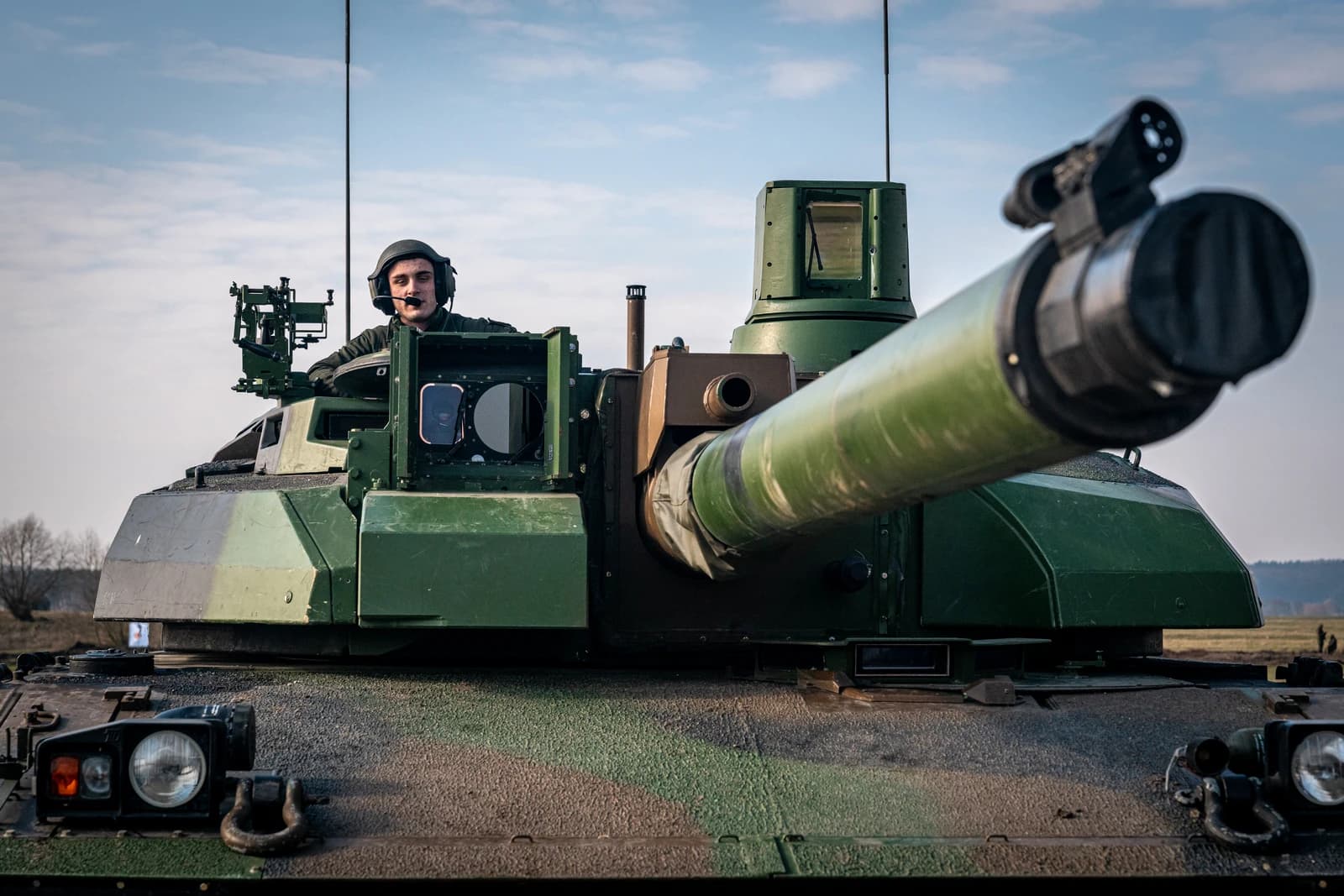
Witold Jurasz said the Ukrainian military, with Western support, has destroyed vast amounts of Russian armor and other equipment, leaving Moscow’s army “a shadow of itself” in hardware terms. He said that while Russia is still hostile, “we have in fact less reason to worry than we did four years ago.”
That view comes against a backdrop of continued fear of hybrid pressure on Poland, including sabotage risks, cyber threats and the prospect of spillover from the war. It also lands as the region remains politically sensitive to any sign that U.S. support for Ukraine could weaken, especially after Donald Trump called for a change in Ukraine’s leadership and floated an “energy ceasefire” that Kyiv reportedly had not been told about.
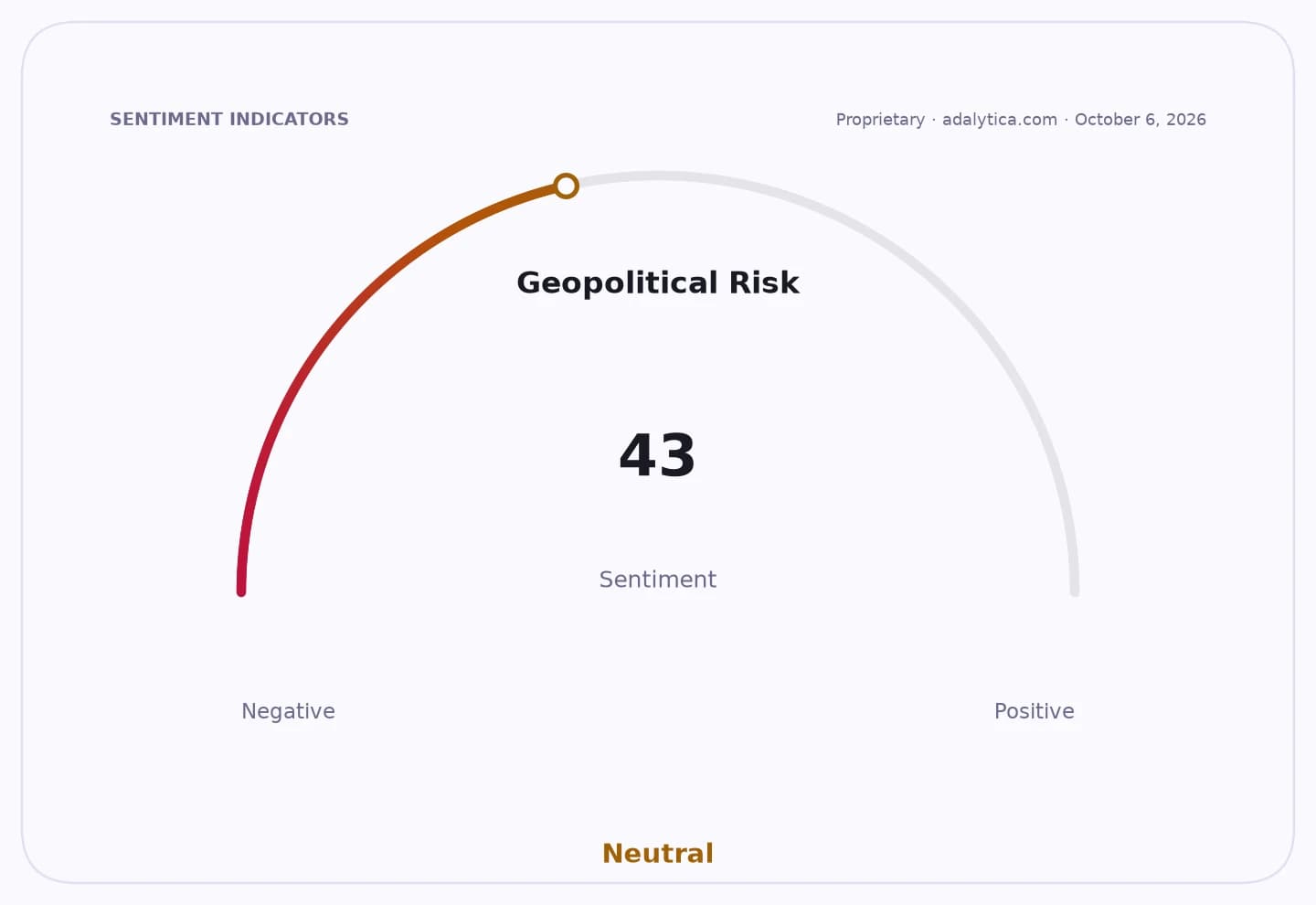
Geopolitical Risk vs EPOLadalytica.com
Explore this data interactively — full history, time series and cross-market comparisons.Open AlphaPulse
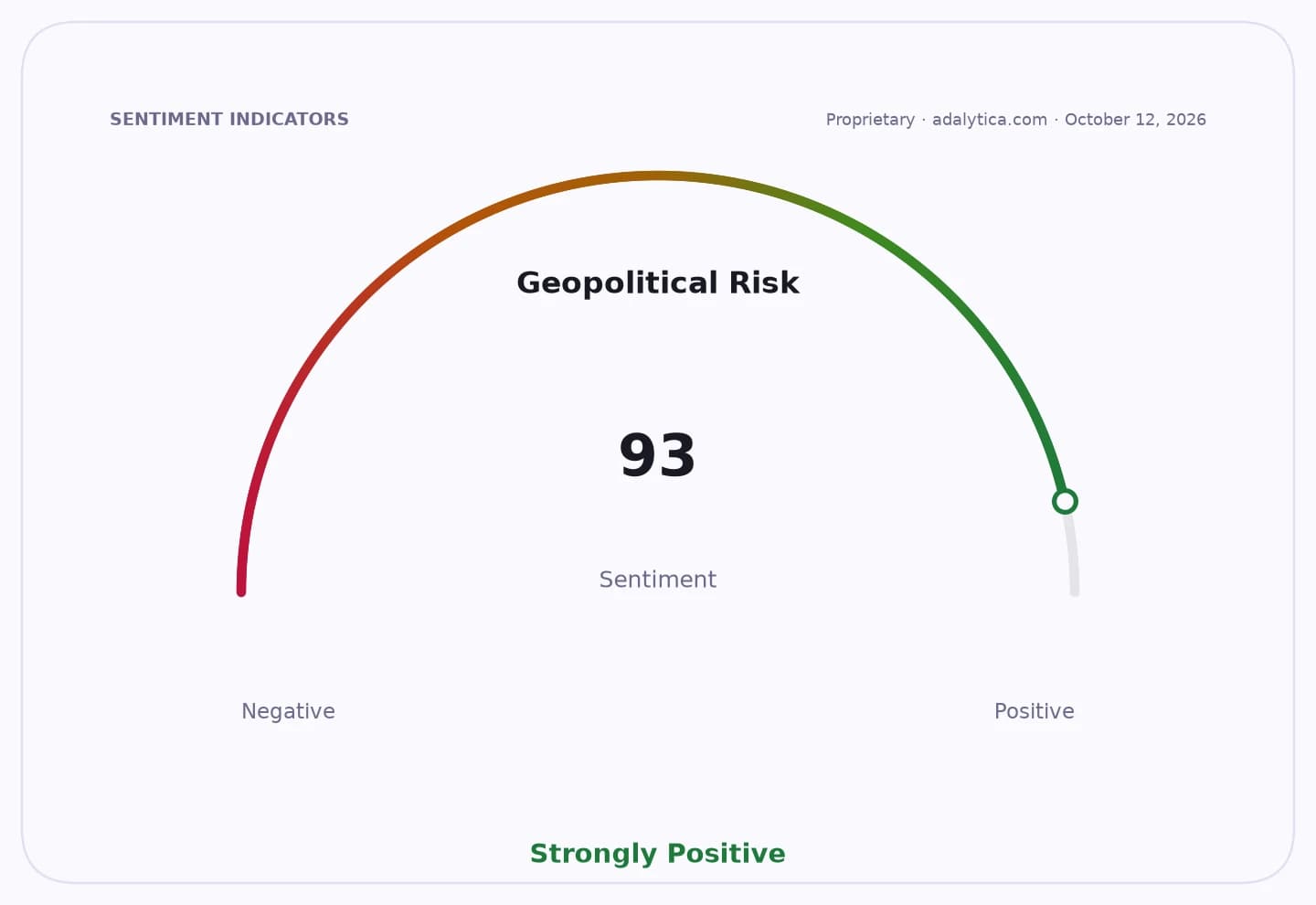
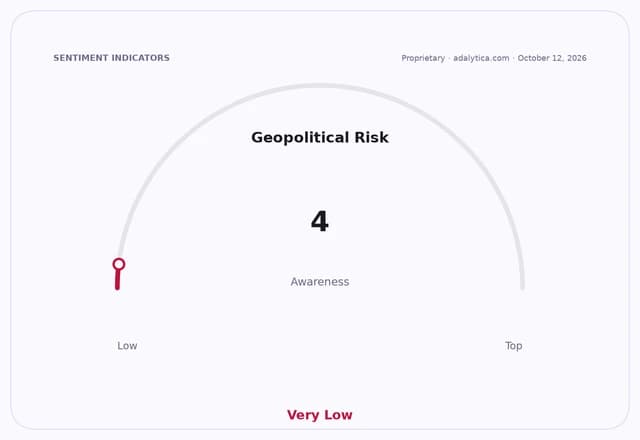
For investors, the implications are mixed. Lower perceived near-term invasion risk could ease some pressure on Poland’s risk premium, but it does not remove demand for higher defense spending, border infrastructure or cybersecurity. Polish equities have remained resilient, with the EPOL ETF recently trading near $43.95, above its 50-day moving average of $44.34’s recent range and well above its 200-day average of $39.63, while the broader geopolitical risk gauge from Adalytica.com still shows extreme greed in stability sentiment and extreme fear in awareness.
The narrative now is not that Poland feels safe, but that the war has weakened Russia enough to reduce some of the most extreme fears that hung over the region in 2022. The bigger risk for markets is not a sudden conventional escalation, but a prolonged standoff in which Russia remains dangerous, Europe keeps rearming and U.S. policy remains the wild card.
| Entity | Gains | Losses |
|---|---|---|
| Poland | ▲Lower invasion fears | ▼Persistent hybrid risk |
| Ukraine | ▲NATO support burden shared | ▼War fatigue if backing fades |
| Russia | ▲Tactical leverage from standoff | ▼Conventional military attrition |
| European defense firms | ▲Continued rearmament demand | ▼Any peace-driven spending slowdown |